
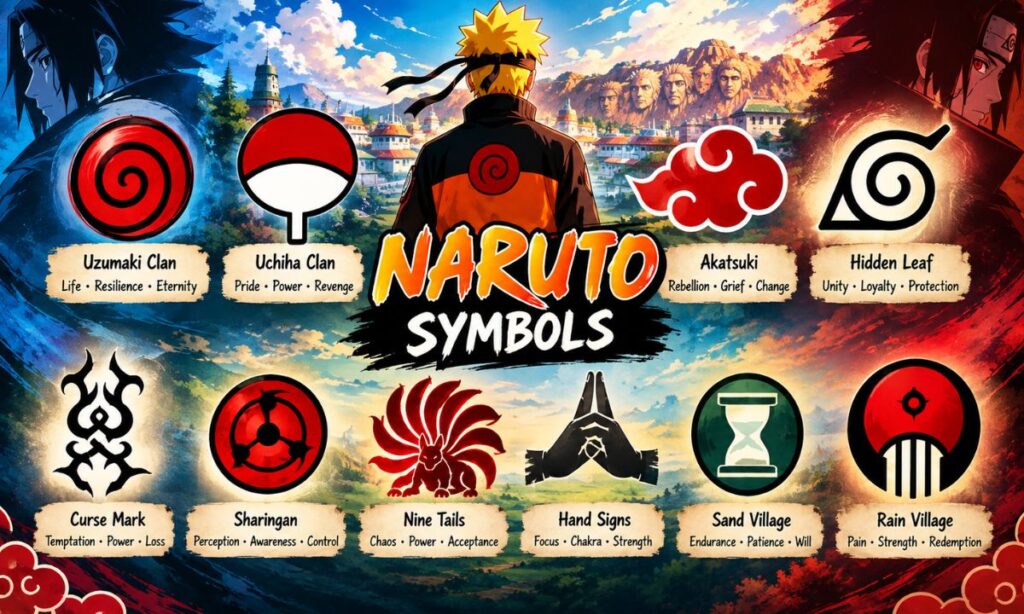
Naruto Symbols are the visual marks, clan emblems, and seals used throughout the Naruto anime and manga to represent identity, power, loyalty, and inner conflict. If you have ever paused an episode just to stare at the spiral on Naruto’s jacket or the red clouds on an Akatsuki cloak, you already know these designs carry more weight than simple decoration. They tell you who a character is, where they come from, and sometimes what they are hiding.
Naruto Symbols also help readers connect visual design with character identity.
Masashi Kishimoto built an entire visual language into this series. Every clan crest, headband engraving, and curse mark was designed to say something about the story without a single line of dialogue. That is part of why the franchise has stayed relevant for two decades and why fans still debate what these symbols really mean.
In this guide, we are going to break down the most important Naruto Symbols, explain their spiritual and psychological meaning, and look at why these designs have jumped off the screen and onto tattoos, fashion, and fan art around the world. Whether you are a longtime fan or someone who just finished the series and wants to understand the deeper layers, this article covers it all.
For longtime fans, Naruto Symbols can instantly recall an entire storyline.
Quick fact: The Uzumaki spiral, one of the most recognized Naruto Symbols, was inspired by traditional Japanese naruto maki, the spiral fish cake often found in ramen bowls, which is also where the show’s title comes from.
Quick fact: The Uchiha clan’s fan shaped crest, called a gunbai style design, draws from real Japanese samurai war fans historically used by military commanders to signal troops.
The simplicity of Naruto Symbols makes them easy to recognize at a glance.
What Are Naruto Symbols?
Naruto Symbols are the recurring visual emblems, hand signs, and marks used in the series to represent clans, villages, organizations, and personal transformations. They function almost like a visual shorthand, letting viewers instantly recognize allegiance, history, or power just by spotting a shape.
These symbols show up everywhere once you start looking for them. You will find them stitched onto flak jackets, carved into headband plates, tattooed onto skin, and painted across cloaks. Each one was chosen with intention. Kishimoto did not just pick random shapes; he pulled from real Japanese heraldry, called kamon, which are family crests that have identified Japanese households for centuries.
Many readers use Naruto Symbols to explore the series beyond its battles.
What makes Naruto Symbols stand out compared to symbols in other anime is how layered they are. A single emblem can represent a bloodline, a historical tragedy, a village’s founding philosophy, and a character’s personal journey all at once. The Uchiha fan, for example, is not just a clan logo. It represents pride, a violent history, and eventually the weight of legacy that Sasuke carries through the entire story. This is why fans do not just recognize these symbols, they feel something when they see them.
Understanding these symbols also deepens your appreciation of the storytelling itself. Kishimoto used Naruto Symbols, Naruto Symbols, and Naruto Symbols as a form of world building that never needed exposition. You learn about the Land of Fire’s values through the leaf symbol before a single character explains it to you. That is the mark of intentional design, and it is one of the reasons this franchise remains a case study in visual storytelling within anime.
The recurring shapes in Naruto Symbols create visual continuity across the story.
The Deep Symbolic Meaning Behind Naruto Symbols
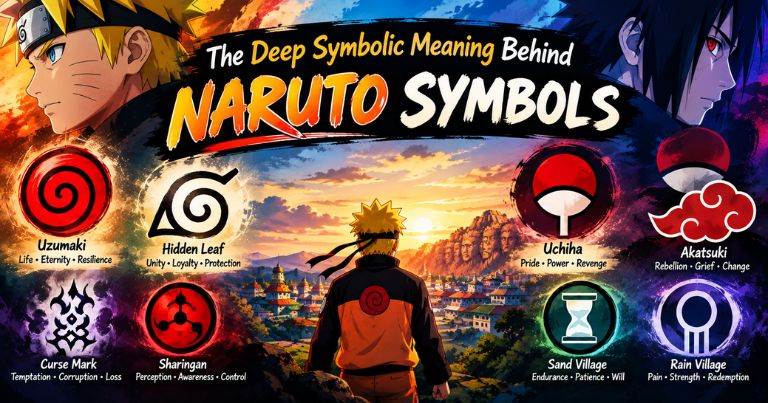
Every major symbol in this universe operates on more than one level. Beneath the surface design, there is almost always a spiritual layer, a psychological layer, and a cultural layer working together.
Spiritual Meaning
On a spiritual level, many Naruto Symbols connect to ideas of chakra, balance, and the flow of life energy. The Uzumaki spiral in particular echoes the concept of eternity and continuous energy, something that mirrors real spiritual traditions where spirals represent the cycle of life, death, and rebirth.
Fans often compare Naruto Symbols to real-world heraldic traditions.
This spiritual dimension is not accidental. Japanese Buddhist and Shinto traditions frequently use circular and spiral imagery to represent the unbroken nature of existence, and Kishimoto leaned into that visual vocabulary. When Naruto’s own life energy, resilience, and chakra are represented by a spiral, it lines up with much older ideas about how energy moves through the world rather than simply appearing and disappearing.
You can also see spiritual weight in how symbols shift based on a character’s internal state. The Sharingan, tied closely to the Uchiha crest, changes shape as a character experiences trauma, awakening, or emotional extremes. This visual evolution suggests that the symbol is not fixed. It grows and mutates with the soul of the person carrying it, which is a very old spiritual idea dressed in a modern anime aesthetic.
The emotional impact of Naruto Symbols grows when their story context is understood.
Psychological Meaning
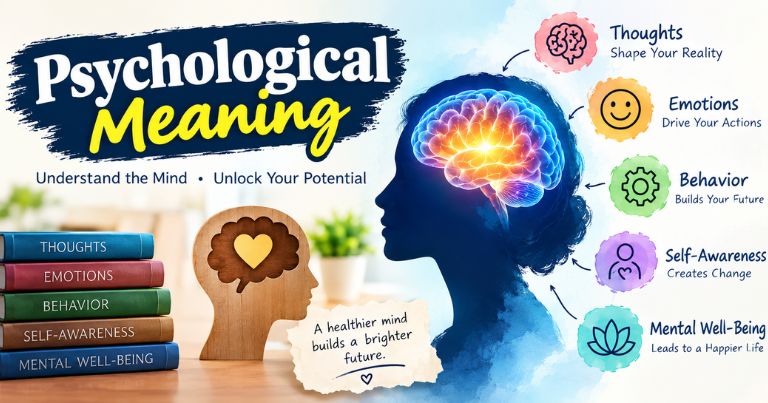
Psychologically, Naruto Symbols often reflects identity and inner conflict. Characters are frequently defined by the emblem they wear, and that emblem becomes tangled up with how they see themselves. Sasuke’s relationship with the Uchiha fan is a clear example. It is a symbol of pride early on, but it slowly becomes a symbol of trauma, isolation, and an almost obsessive need to reclaim honor.
This mirrors real psychological patterns around identity and inherited expectation. Many people carry a kind of emotional weight passed down from family or community, and Kishimoto captured that using a simple crest stitched onto a shirt collar. The symbol becomes shorthand for generational pressure, something audiences respond to even if they have never touched a kunai in their life.
Different characters give Naruto Symbols slightly different emotional associations.
The Curse Mark given by Orochimaru is probably the most direct psychological metaphor in the entire series. It represents temptation, corrupted power, and the slow loss of control that comes from chasing strength without boundaries. Watching a character’s skin darken and their eyes shift as the mark spreads is a visual stand in for addiction and obsession, themes that resonate well beyond the fictional ninja world.
Cultural Meaning
Culturally, these symbols are deeply rooted in Japanese history. The clan crest system used throughout the show closely resembles real Japanese clan crests, known as kamon, which have been used for over a thousand years to identify samurai families. Kishimoto essentially built a fictional ninja society on top of a very real Japanese heraldic tradition.
The strongest Naruto Symbols remain memorable even outside their original scenes.
Beyond family crests, the show borrows from Shinto and Buddhist iconography, samurai warrior culture, and Japanese folklore about spirits, seals, and hidden techniques. The idea of sealing something dangerous within a person, which happens with the Nine Tails and Naruto, draws from older Japanese and Buddhist concepts of spiritual containment and protective wards.
This cultural grounding is part of why the symbolism feels authentic rather than invented for convenience. Fans researching the deeper meaning behind Naruto Symbols often find genuine historical parallels, which adds a layer of authority and respect to how the series handles its source material. It is not just fantasy for the sake of fantasy. It is fantasy built on real cultural foundations.
Looking closely at Naruto Symbols reveals how design supports the narrative.
Most Important Naruto Symbols and Their Meanings
Here is a breakdown of the most iconic Naruto Symbols and emblems, what they look like, what they represent, and where you will spot them throughout the series.
Uzumaki Clan Symbol
Visual Description
The Uzumaki symbol is a red spiral, simple and bold, often placed on a white or orange background. It is one of the most recognizable Naruto Symbols in the entire franchise, largely because it doubles as part of Naruto’s own jacket design.
For collectors, Naruto Symbols can also become meaningful pieces of fandom art.
Meaning
The spiral represents life force, resilience, and continuous growth. It reflects the Uzumaki clan’s known trait of exceptional vitality and long lifespans, along with their deep connection to sealing techniques. This symbol carries strong themes of emotional healing and transformation, mirroring Naruto’s own arc from an isolated child to a figure of unity.
Where It Appears
You will find this spiral on the back of Naruto’s jacket, on flak jackets worn by Konoha shinobi, and as the emblem representing Uzushiogakure, the now destroyed home of the Uzumaki clan.
The visual language of Naruto Symbols helps separate clans and organizations.
Uchiha Clan Symbol
Visual Description
The Uchiha crest is a red and white fan shape, referred to by fans as the uchiwa, resembling a traditional Japanese hand fan used historically by military commanders.
Meaning
This symbol represents fire, pride, and family honor, but it also carries the weight of tragedy and revenge. Because the Uchiha clan’s history is marked by war, betrayal, and near total destruction, the symbol has become closely tied to themes of hatred and generational trauma within the story.
Some Naruto Symbols are memorable because they combine simple shapes with rich history.
Where It Appears
The fan crest appears on the back of every Uchiha character’s clothing, most notably Sasuke and Itachi, as well as throughout the Uchiha clan district shown in flashback scenes.
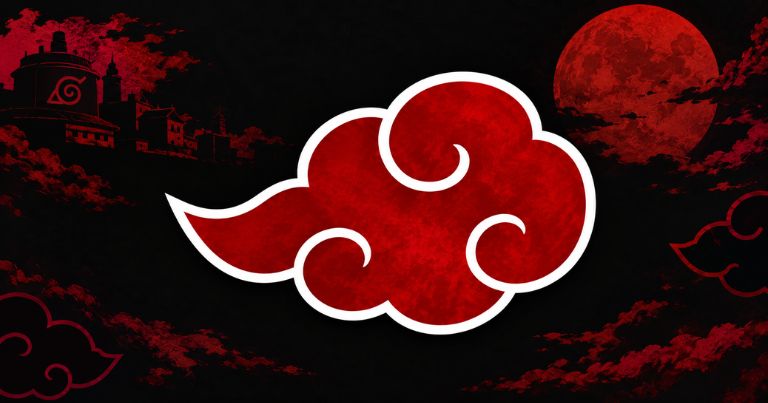
Akatsuki Cloud Symbol
Visual Description
Red clouds outlined in white sit against a black cloak, forming one of the most visually striking Naruto Symbols in the series.
The best-known Naruto Symbols are recognizable even in simplified artwork.
Meaning
The red clouds symbolize war, bloodshed, and rebellion. Some fans interpret the clouds as representing sorrow and grief carried by an organization built from war orphans and disillusioned shinobi. It captures the group’s violent methods alongside a strange undertone of shared pain among its members.
Where It Appears
This symbol is worn on the iconic black Akatsuki cloaks seen throughout the series, instantly signaling danger whenever a member appears on screen.
Fans may choose Naruto Symbols because a particular design reflects their own journey.
Hidden Leaf Village Symbol
Visual Description
A stylized leaf shape, usually engraved into a metal plate worn on a forehead protector, represents Konohagakure, the Hidden Leaf Village.
Meaning
This symbol stands for unity, loyalty, protection, and a sense of belonging. It is closely tied to the philosophy known as the Will of Fire, which emphasizes passing down love, protection, and purpose from one generation of shinobi to the next.
The meanings attached to Naruto Symbols can change as the story progresses.
Where It Appears
The leaf symbol is engraved on every Konoha shinobi’s headband, making it one of the most repeated Naruto Symbols throughout the entire series.
Curse Mark Symbol
Visual Description
A dark, flame-like mark that spreads across a character’s skin, usually starting at the neck and expanding outward when activated.
This layered storytelling gives Naruto Symbols lasting appeal.
Meaning
The Curse Mark represents corrupted power, temptation, and obsession. Given by Orochimaru, it grants immense strength at the cost of the user’s control and often their humanity, symbolizing how the pursuit of power without discipline can consume a person from the inside out.
Where It Appears
This mark is most famously seen on Sasuke after his encounter with Orochimaru, and also appears on other characters throughout the Chunin Exams arc and beyond.
Even small details can make Naruto Symbols feel important within a scene.
Naruto Symbols Across Cultures
Naruto Symbols resonate across cultures because they blend Japanese tradition with universal themes like identity, power, and belonging.
Japanese Culture
In Japan, the influence is the clearest. The clan crest system mirrors real kamon symbols used by historic samurai families, and village symbols echo the way Japanese towns and shrines have long used emblems to represent shared identity and protection.
The repeated use of Naruto Symbols reinforces themes of loyalty and legacy.
Chinese Culture
Some fans point to Chinese philosophical influence as well, particularly in how chakra and energy flow are depicted. Concepts resembling qi, the life energy central to Chinese medicine and martial philosophy, show up in how chakra is described as something that flows through the body and can be trained, balanced, or disrupted.
Hindu Spiritual Influence
Interestingly, several Naruto Symbols and techniques draw loosely from Hindu concepts, most notably the idea of chakra itself, which originates from Hindu and Buddhist traditions describing energy centers within the body. While Kishimoto adapted the term loosely rather than following it precisely, the spiritual root is worth noting for fans interested in the deeper mythology.
Artists frequently simplify Naruto Symbols while preserving their core identity.
Western Interpretation
Western audiences tend to read these symbols through a more personal, psychological lens, focusing on themes like trauma, found family, and self-identity. This is part of why Naruto Symbols translates so well internationally. The cultural specifics are Japanese, but the emotional core is universal.
Modern Global Culture
Today, these symbols exist far beyond the show itself. They show up in streetwear, music videos, gaming culture, and internet fandom spaces worldwide, proving that a symbol rooted in Japanese storytelling can still carry meaning for someone who has never set foot in Japan.
The cultural references behind Naruto Symbols add another level of interpretation.
Naruto Symbols in Art, Movies and Pop Culture
Naruto Symbols have moved well beyond the screen, becoming a genuine part of global pop culture and personal expression.
Tattoos
Naruto tattoos are among the most popular anime tattoo choices worldwide, with the Uzumaki spiral and Akatsuki clouds leading the pack. Fans often choose these designs because they represent personal resilience or a specific emotional chapter in their own lives, not just fandom.
For new viewers, learning Naruto Symbols can make the fictional world easier to follow.
Fashion
Streetwear brands have repeatedly used Naruto inspired designs, from spiral prints to Akatsuki cloud jackets, blending anime iconography with everyday fashion. This crossover reflects how deeply these Naruto Symbols have embedded themselves into casual, mainstream style rather than staying confined to conventions.
Movies and Media
Beyond the original series, Naruto Symbols continue appearing in spinoff films, video games, and merchandise, keeping the iconography alive for new generations of fans discovering the franchise for the first time.
The contrast between different Naruto Symbols helps communicate opposing values.
Art and Fan Creations
Fan artists frequently reinterpret these emblems, blending traditional Japanese art styles with modern digital techniques. This ongoing creative reinterpretation is part of why Naruto Symbols stays fresh even decades after the manga first launched.
Spiritual and Dream Meaning of Naruto Symbols
Because these symbols carry such strong emotional weight, many fans naturally connect them to personal reflection, including how they show up in dreams or meditative thought. It is worth noting upfront that this section reflects fan interpretation and symbolic reflection rather than established psychological research.
Character development often changes how viewers emotionally read Naruto Symbols.
Seeing the Uzumaki Spiral in Dreams
Fans who feel a personal pull toward the Uzumaki spiral often associate it with themes of growth, resilience, and moving through a difficult chapter of life, mirroring the symbol’s meaning within the show itself.
Seeing the Akatsuki Cloud
Because the Akatsuki cloud is tied to conflict and upheaval, fans sometimes connect it symbolically to periods of personal disruption or major life change, echoing the organization’s role as agents of dramatic transformation in the story.
That combination of design and storytelling is central to the appeal of Naruto Symbols.
Seeing the Hidden Leaf Symbol
The leaf symbol’s association with home, loyalty, and belonging makes it a natural symbol for fans reflecting on community, friendship, or a desire for stability and protection.
Seeing the Curse Mark
Given its meaning within the series, the Curse Mark is often symbolically linked to internal struggle, temptation, or the fear of losing control, themes that mirror Sasuke’s own arc throughout the story.
Ultimately, Naruto Symbols work because their visual forms remain simple while their meanings stay layered.
Positive and Negative Meanings of Naruto Symbols
Most Naruto Symbols carry both a light and a dark interpretation, which is part of what makes them so compelling.
| SymbolPositive MeaningNegative Meaning | ||
|---|---|---|
| Uzumaki Spiral | Resilience, growth, healing | Isolation, loss (linked to clan’s destruction) |
| Uchiha Fan | Pride, family honor | Revenge, generational trauma |
| Akatsuki Cloud | Unity among outcasts | War, bloodshed, rebellion |
| Hidden Leaf | Loyalty, belonging | Blind obedience, restriction |
| Curse Mark | Access to hidden potential | Corruption, addiction, loss of control |
This duality is intentional. Kishimoto rarely presented power or identity as purely good or purely bad, and the symbols reflect that same moral complexity found throughout the story’s characters.
Why Humans Feel Drawn to Naruto Symbols
People connect with Naruto Symbols because they represent recognizable emotional experiences distilled into a single image. A spiral representing resilience speaks to anyone who has pushed through hardship. A fan crest representing generational pride and pain speaks to anyone who has felt the weight of family expectation.
This is not unique to Naruto, but the franchise executes it with unusual consistency. Nearly every major clan, village, and organization has a matching symbol, and those symbols evolve alongside the characters. That consistency builds trust with the audience, the same way a well designed brand builds recognition and emotional loyalty over time.
There is also a simple visual psychology at play. Bold, simple shapes like a spiral or a fan are easy to remember and easy to personalize, which is exactly why they translate so well into tattoos, fashion, and fan art across the globe.
Naruto Symbols and Their Hidden Connection to Real Life

Beyond fiction, these symbols mirror very real human patterns. The Uchiha’s inherited trauma reflects how generational pain can shape identity long after the original event has passed. The Curse Mark’s slow corruption mirrors how unchecked ambition or addiction can quietly take over a person’s choices. The Hidden Leaf’s emphasis on unity reflects real community structures built on shared protection and mutual care.
Even the Uzumaki spiral’s connection to life energy and healing echoes real conversations happening today around resilience and post traumatic growth. Kishimoto did not need to state any of this outright. The Naruto Symbols carries it for him, which is exactly why fans continue finding new meaning in these designs years after the manga concluded.
FAQs About Naruto Symbols
What is the most famous Naruto symbol?
The Uzumaki spiral and the Hidden Leaf Village symbol are widely considered the two most recognized Naruto Symbols, largely because they are tied directly to the series’ main character and central setting.
What does the Akatsuki cloud symbol mean?
The red clouds represent war, bloodshed, and rebellion, reflecting the organization’s violent methods and its members’ shared history of loss and conflict.
Why is the Uzumaki symbol a spiral?
The spiral represents life energy, resilience, and continuous growth, drawing inspiration from the naruto maki fish cake and older spiritual ideas about cycles of energy and renewal.
Are Naruto Symbols inspired by real Japanese culture?
Yes. Many of these designs are directly inspired by real Japanese clan crests, known as kamon, along with Shinto, Buddhist, and samurai era traditions.
What does the Uchiha symbol represent?
The Uchiha fan crest represents fire, pride, and family honor, but it also carries deep associations with tragedy, revenge, and generational trauma due to the clan’s turbulent history.
Why do people tattoo Naruto Symbols?
Fans often choose Naruto tattoos because these symbols represent personal resilience, identity, or meaningful life chapters, not just admiration for the show itself.
Conclusion
Naruto Symbols are far more than background decoration. They carry spiritual weight, psychological depth, and genuine cultural history, all wrapped into simple, memorable designs. From the Uzumaki spiral representing resilience to the Uchiha fan carrying the burden of legacy, every emblem in this universe was built to say something meaningful without a single word of dialogue.
That is exactly why these symbols have outlived the original story’s ending. They show up in tattoos, fashion, and fan art because they still mean something to the people wearing and creating them. If you walked away from this article with a deeper appreciation for the design choices behind your favorite characters, that is the whole point. These are not just anime symbols. They are a genuine piece of visual storytelling worth understanding on their own terms.
