
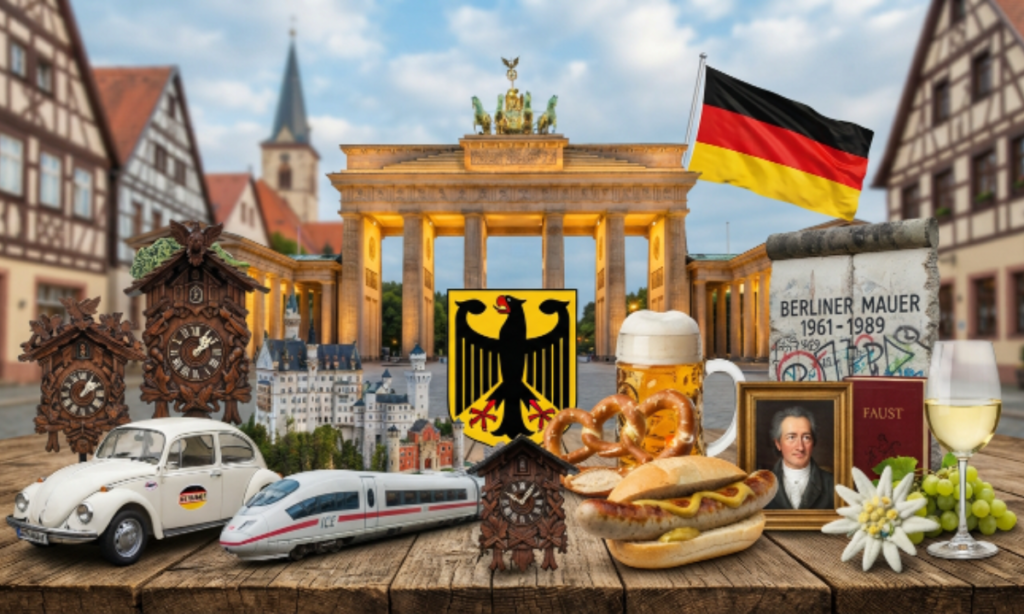
Germany has a long history full of meaning and tradition. Over the years, many symbols have grown out of this rich culture. Some symbols come from old legends and folklore. Others were born from historical events and struggles. These symbols still carry deep meaning today. They connect modern Germans to their roots and identity.
You will find these symbols in flags, art, and everyday life. Some represent strength, unity, and national pride. Others reflect nature, freedom, or spiritual beliefs. Many people use them without knowing their true origin. In this guide, we explore over 90 powerful German symbols. You will learn their meaning and why they still matter today.
What are German Symbols?
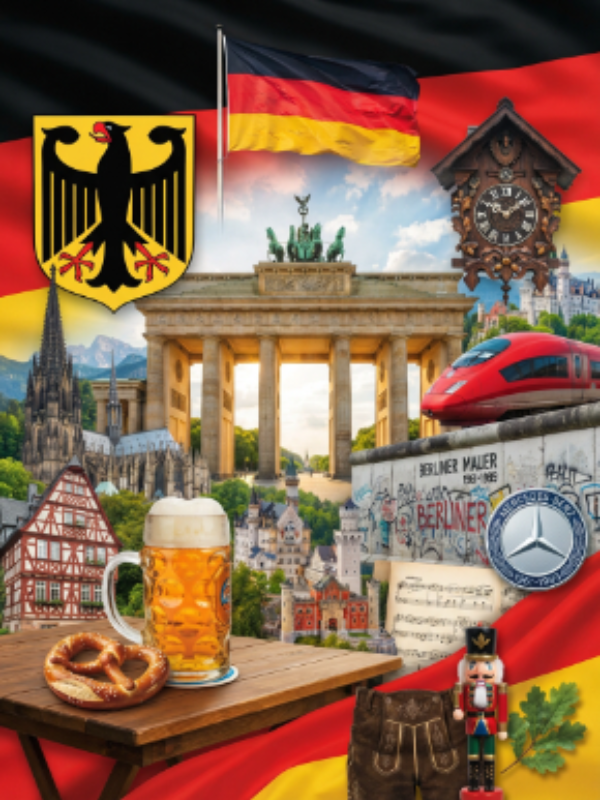
- German symbols are visual signs that represent ideas, history, and cultural values of the nation.
- They include national emblems, colors, animals, and religious icons used across many centuries.
- These symbols appear on flags, coins, buildings, and important government documents today.
- Many symbols trace back to ancient Germanic tribes and their early spiritual beliefs.
- Others were created during key moments in German political and military history.
- Each symbol carries a unique story tied to unity, strength, or personal freedom.
- Some symbols changed meaning after major wars, revolutions, or political power shifts.
- Modern Germany still uses several ancient symbols in official state functions today.
- People also use these symbols in tattoos, jewelry, and everyday fashion choices.
- Understanding these symbols helps explain German culture, national pride, and shared identity.
- This guide explores over ninety symbols and explains their true hidden meaning.
Ancient German Symbols And Their Hidden Stories
- Ancient German symbols come from tribal cultures that existed thousands of years ago.
- These early symbols were carved into stones, weapons, and sacred wooden objects.
- Many represented gods, nature spirits, or protection during battle and long travel.
- Tribes used symbols to mark territory, family lines, and deep spiritual beliefs.
- Some symbols were passed down through generations as sacred family markings.
- Archaeologists still find these ancient symbols on old burial sites today.
- Each symbol often held multiple meanings depending on which tribe used it.
- Fire, sun, and animal symbols were common among early Germanic peoples.
- These symbols connected people to nature, ancestors, and unseen spiritual forces.
- Many modern designs still borrow shapes from these ancient hidden symbols.
- Their mysterious stories continue to fascinate historians and symbol lovers worldwide.
Ancient German Symbols
- Ancient German symbols reflect early beliefs about nature, war, and personal protection.
- Common shapes included suns, crosses, and animal figures carved into stone.
- These symbols often appeared on shields, pottery, and ceremonial tools used daily.
- Warriors carried certain symbols believing they offered strength and battlefield safety.
- Farmers used symbols linked to harvest, fertility, and changing seasons each year.
- Many symbols were shared across different Germanic regions and neighboring tribes.
- Some carried religious meaning tied to early pagan worship practices and rituals.
- Others marked important life events like birth, marriage, or death ceremonies.
- These symbols slowly evolved as Christianity spread across German lands over time.
- Despite changes, many original shapes remained visible in later cultural designs.
- Ancient symbols still inspire modern German art and graphic design today.
Germanic Tribe Symbols
- Germanic tribes each had unique symbols representing their identity and shared beliefs.
- These symbols appeared on banners, weapons, and personal tribal clothing items.
- Animals like wolves, bears, and eagles were popular choices among tribes.
- Symbols often showed strength, courage, and loyalty to the wider tribe.
- Some tribes used runes to mark important tribal agreements and shared laws.
- Warriors painted tribal symbols on shields before entering major battles.
- Family symbols helped identify bloodlines within larger tribal communities and clans.
- Trade between tribes sometimes led to shared or borrowed symbolic designs.
- Religious leaders used specific symbols during sacred tribal ceremonies and rituals.
- These early markings influenced later German heraldry and family crest designs.
- Tribal symbols remain an important part of Germanic historical identity today.
Germanic Symbols
- Germanic symbols cover a wide range of shapes, runes, and figures overall.
- They represent gods, nature, protection, and daily tribal life activities.
- Many symbols were used in both spiritual and practical everyday settings.
- Runes served as writing tools and also carried deep symbolic meaning.
- Nature elements like trees and animals held strong spiritual significance for tribes.
- Warriors, farmers, and priests each used different symbolic markings for their roles.
- Some symbols changed meaning as tribes merged or moved to new locations.
- These symbols influenced early European art, jewelry, and architecture styles greatly.
- Modern historians study these symbols to understand ancient tribal daily life.
- Many symbols reappeared centuries later in nationalist movements and public art.
- Germanic symbols remain a foundation for understanding German cultural roots today.
German Symbols And Meanings In Modern Culture
- Modern Germany still relies on many symbols to express national values and pride.
- These symbols appear in politics, sports, media, and everyday public life.
- The national flag and eagle remain the most recognized modern symbols.
- Many old symbols were redesigned to fit modern democratic ideas and values.
- Companies and organizations often use traditional symbols in their branding today.
- Schools teach these symbols so younger generations understand their historical roots.
- Public events and holidays often display these symbols proudly across the country.
- Modern artists reinterpret ancient symbols to create new cultural meanings for society.
- Some symbols carry different meanings for older and younger German generations.
- Global audiences recognize certain German symbols through movies, sports, and travel.
- These symbols continue to shape how the world views modern Germany.
German Symbols And Meanings
- Each German symbol carries a specific meaning rooted in history or belief.
- The eagle represents strength, freedom, and national sovereignty for the country.
- The flag colors stand for unity, justice, and hard-earned freedom today.
- Iron Cross symbols once represented military honor and bravery in battle.
- Runes carried spiritual meaning tied to ancient Germanic religious traditions.
- Oak leaves symbolize strength, endurance, and a deep connection to nature.
- Certain colors like black, red, and gold hold strong national symbolism.
- Some symbols represent regional pride rather than the entire nation itself.
- Religious symbols reflect the country’s long Christian and pre-Christian history.
- Family symbols often represent loyalty, protection, and generational continuity.
- Together, these meanings create a rich and layered cultural identity.
German Symbolism
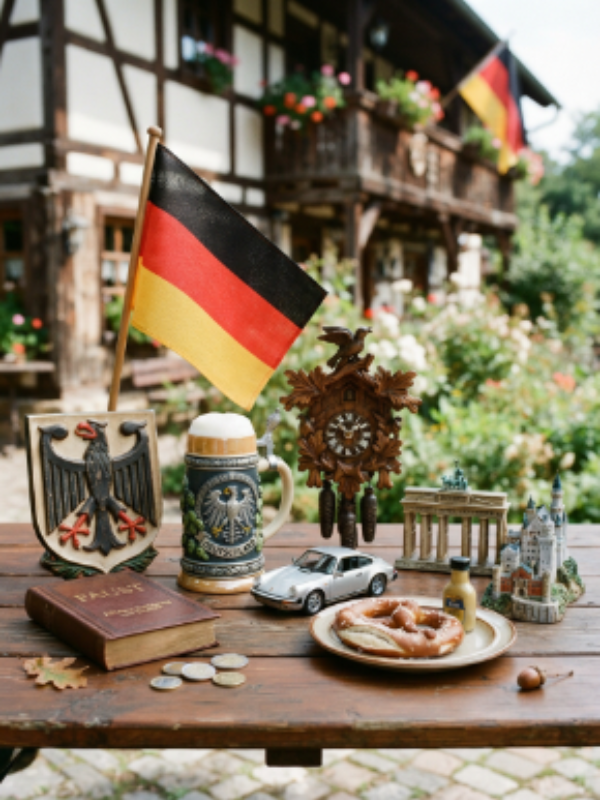
- German symbolism blends history, religion, nature, and political ideas into one system.
- Symbols often represent abstract values like freedom, unity, or national strength.
- Colors play a major role in expressing symbolic meaning across Germany.
- Animals such as eagles and lions represent power and royal authority.
- Nature symbols like oak trees represent endurance and long-lasting strength.
- Religious symbolism reflects centuries of changing spiritual and cultural beliefs.
- Political symbolism often changes depending on the ruling government of the time.
- Military symbolism reflects historical battles, victories, and national sacrifices made.
- Cultural symbolism appears in festivals, folklore, and traditional German storytelling.
- Modern symbolism blends old meanings with new democratic and social values.
- This layered symbolism makes German culture rich and historically meaningful.
Symbols Of Germany
- Germany’s most recognized symbol is the black, red, and gold national flag.
- The federal eagle is another major symbol representing strength and sovereignty.
- Oak leaves are commonly used to symbolize endurance and national strength.
- The Brandenburg Gate serves as a symbol of unity and historical change.
- Certain flowers, like the cornflower, hold gentle symbolic meaning nationally.
- Regional symbols also represent Germany’s diverse states and local cultures.
- National holidays often feature these symbols during public celebrations.
- Sports teams proudly display national symbols during international competitions.
- Government buildings frequently showcase official symbols in their architecture.
- These symbols collectively represent Germany’s history, values, and identity.
- Together, they help unite citizens under one shared national image.
What Is The Symbol Of Germany?
- The most well-known symbol of Germany is the black, red, and gold flag.
- The federal eagle is also considered a major national symbol.
- Both symbols represent unity, freedom, and long-standing national sovereignty.
- The flag’s colors originated from historical movements for German unification.
- The eagle symbol dates back to earlier imperial and royal traditions.
- These symbols appear on government buildings, passports, and official documents.
- They are also displayed during major sporting and cultural events.
- Citizens see these symbols as a representation of national pride.
- International audiences instantly recognize these symbols as distinctly German.
- Together, they form the core visual identity of the country.
- These symbols continue to represent modern German democratic values today.
German Symbols Text
- German symbols text refers to special characters and letters unique to the language.
- These include letters like ä, ö, ü, and the sharp ß character.
- Such characters carry specific pronunciation rules within the German language system.
- People often search for these symbols to copy them into digital text.
- These letters appear frequently in German names, words, and formal writing.
- Digital keyboards sometimes lack these characters, leading users to copy them online.
- These text symbols are essential for accurate German spelling and grammar.
- They also appear in official documents, forms, and legal paperwork.
- Understanding these symbols helps non-native speakers read German text correctly.
- Many websites offer simple tools to copy these characters instantly.
- These symbols remain a core part of written German communication today.
German Symbols Letters
- German symbols and letters include unique characters not found in the standard English alphabet.
- The umlaut letters ä, ö, and ü change vowel sounds significantly.
- The eszett or ß represents a sharp double s sound in words.
- These letters often confuse learners who are new to the German language.
- They appear in common words, names, and everyday German vocabulary.
- Typing these letters requires specific keyboard settings or copy-paste methods online.
- Many students search for these letters to complete assignments correctly.
- These letters are essential for proper spelling in formal writing.
- Businesses operating in Germany must use these letters accurately in documents.
- Understanding these letters improves overall fluency in the German language.
- These special letters remain a defining feature of written German text.
German Symbols To Copy
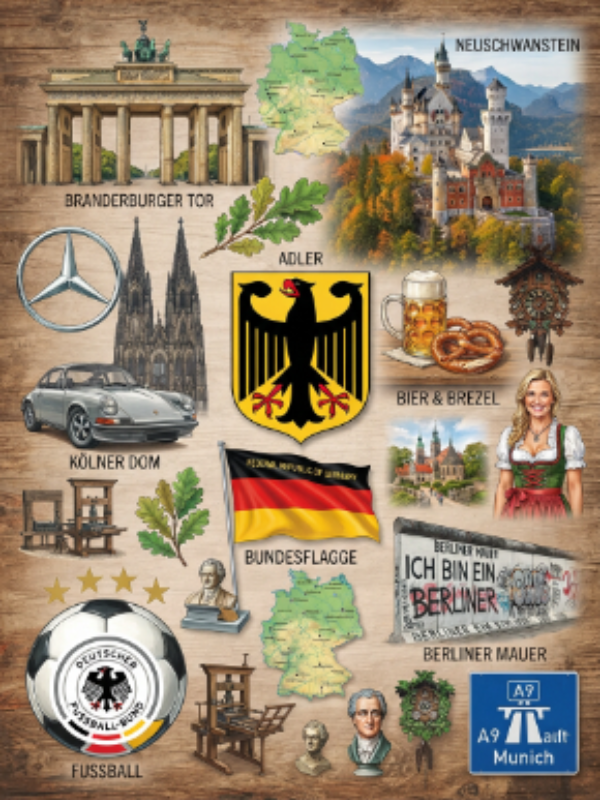
- Many users search online to copy special German symbols and letters quickly.
- Common symbols include ä, ö, ü, ß, and the German Euro sign.
- These symbols are often needed for names, addresses, or formal writing.
- Copy-paste tools make it easy to insert these symbols without special keyboards.
- Students and travelers frequently use these tools for schoolwork or communication.
- Businesses also rely on accurate symbols for official German documents.
- Social media users sometimes copy these symbols for captions or bios.
- Having quick access to these symbols saves time during writing tasks.
- Many websites offer simple copy buttons for popular German symbols.
- These tools are especially helpful for non-native German speakers.
- Copying these symbols ensures accurate and professional German communication.
German Symbols Tattoos
- German symbol tattoos often feature eagles, runes, or traditional Germanic designs.
- People choose these tattoos to represent strength, heritage, or personal identity.
- Some tattoos include ancient runes with deep spiritual or historical meaning.
- Others feature national symbols like the eagle or flag colors.
- Tribal-inspired designs remain popular among those honoring Germanic ancestry.
- Many people research symbol meanings carefully before choosing a permanent tattoo.
- Tattoo artists often customize designs to reflect personal family history.
- Some symbols carry sensitive historical associations that require careful consideration.
- Understanding true symbol meaning helps avoid unintended cultural misunderstandings.
- These tattoos often become meaningful reminders of personal or family roots.
- German symbol tattoos continue to grow in popularity worldwide today.
Iconic, Ancient And Historical German Symbols
- Germany’s history has produced many iconic symbols recognized around the world today.
- These symbols represent different eras, from ancient tribes to modern democracy.
- Some symbols reflect powerful empires, while others reflect painful historical periods.
- Historical symbols often carry complex meanings shaped by changing political power.
- Many of these symbols appear in museums, textbooks, and historical documentaries.
- Iconic symbols help people understand major turning points in German history.
- Some symbols were adopted, changed, or banned depending on the time period.
- Historical context is essential when interpreting these powerful symbols correctly.
- These symbols continue to influence modern design, fashion, and national identity.
- Understanding their origins reveals fascinating stories about Germany’s long past.
- This section explores the most iconic and historically significant symbols.
Iconic German Symbols
- The federal eagle stands as one of the most iconic German symbols.
- The black, red, and gold flag represents unity and national freedom.
- The Brandenburg Gate symbolizes historical division and eventual national reunification.
- Oak leaves represent strength and endurance throughout German history.
- The Iron Cross remains an iconic, though historically complex, military symbol.
- These symbols appear frequently in art, media, and public architecture.
- Many iconic symbols date back centuries yet remain relevant today.
- They reflect both the struggles and achievements of the German nation.
- International audiences often associate these symbols directly with Germany itself.
- These icons continue to shape national identity and cultural pride today.
- Together, they tell the story of Germany’s long historical journey.
Traditional German Symbols
- Traditional German symbols often reflect folklore, nature, and regional customs.
- Oak leaves and acorns represent strength and long-lasting endurance traditionally.
- Certain animals, like the stag, symbolize nobility and natural power.
- Traditional festivals often feature symbolic decorations tied to local customs.
- Regional coats of arms represent specific states and their unique histories.
- These symbols are passed down through generations within German families.
- Traditional clothing sometimes includes symbolic patterns representing regional identity.
- Folklore stories often explain the origins of these traditional symbols.
- Many traditional symbols appear during seasonal festivals and celebrations.
- These symbols help preserve cultural heritage across different German regions.
- Traditional symbols remain deeply respected within local German communities today.
Famous German Symbols
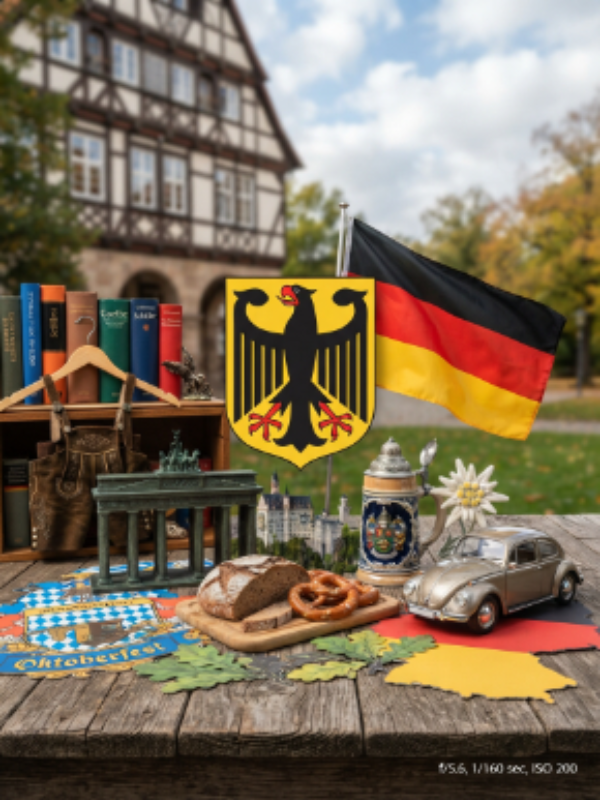
- The federal eagle is among the most famous symbols associated with Germany.
- The national flag is instantly recognized around the world today.
- The Brandenburg Gate is a famous symbol of unity and freedom.
- Oak leaves frequently appear in famous military and national emblems.
- The Iron Cross remains historically famous, though its context is complex.
- These famous symbols appear in movies, documentaries, and international media.
- Tourists often photograph these symbols during visits to major German cities.
- Sports events showcase these famous symbols to global audiences regularly.
- Educational materials frequently reference these symbols when teaching German history.
- These famous symbols help define how the world perceives Germany.
- Together, they represent centuries of national pride and historical change.
Ancient German Symbols Tattoos
- Many people choose ancient German symbols for meaningful tattoo designs today.
- Runes are especially popular due to their mysterious historical origins.
- These tattoos often represent strength, protection, or ancestral connection.
- Some designs combine multiple ancient symbols into one detailed tattoo.
- Tattoo enthusiasts research symbol meanings before committing to permanent designs.
- Ancient nature symbols, like trees, represent growth and endurance visually.
- Warrior symbols often represent courage and personal resilience for wearers.
- These tattoos connect modern individuals to ancient Germanic heritage.
- Understanding historical context helps avoid misinterpretation of sensitive symbols.
- Professional tattoo artists often specialize in authentic ancient symbol designs.
- These tattoos remain a meaningful way to honor historical roots.
Old German Symbols
- Old German symbols originate from tribal, religious, and early medieval traditions.
- Many symbols were carved into stone, wood, or early metal tools.
- These symbols often represented protection, strength, or spiritual beliefs.
- Old symbols evolved slowly as regions merged into larger kingdoms.
- Religious influence gradually changed the meaning of many older symbols.
- Some symbols disappeared over time, while others remained culturally important.
- Historians study these old symbols to understand early German society.
- Many old symbols influenced later heraldry and official state emblems.
- These symbols reflect the daily beliefs and struggles of early communities.
- Museums often display artifacts featuring these historically significant symbols.
- Old German symbols remain a valuable link to the distant past.
Meaningful German Symbols
- Meaningful German symbols often represent core values like strength and unity.
- Some symbols reflect personal virtues such as courage or loyalty.
- Nature-based symbols represent endurance, growth, and connection to the land.
- Religious symbols reflect deep spiritual beliefs held across generations.
- Family symbols often represent protection, tradition, and shared heritage.
- National symbols represent freedom, democracy, and collective national identity.
- Many people choose these symbols for personal or artistic expression.
- Meaningful symbols often appear in jewelry, tattoos, and home decor.
- Understanding their meaning adds emotional and cultural depth to their use.
- These symbols continue to inspire pride and reflection among many people.
- Their lasting meaning ensures they remain relevant in modern life.
German Symbols In War, Politics and Family
- War and politics have heavily influenced the meaning of many German symbols.
- Some symbols were adopted during specific political movements or conflicts.
- Military symbols often represented honor, sacrifice, and national defense.
- Political symbols changed frequently as different governments rose and fell.
- Family symbols, in contrast, remained more stable across generations.
- These symbols reflect both painful history and enduring family values.
- Understanding historical context is essential when studying these symbols today.
- Some symbols carry sensitive meanings due to their wartime associations.
- Modern Germany carefully regulates the use of certain historical symbols.
- Family symbols continue to represent unity, love, and generational bonds.
- This section explores how war, politics, and family shaped German symbolism.
WW1 German Symbols
- World War 1 symbols often represented military strength and national duty.
- The Iron Cross was widely used to honor soldiers’ bravery.
- Imperial eagles appeared on uniforms, flags, and official military documents.
- These symbols reflected the political power structure of the time.
- Propaganda posters often used strong national symbols to inspire support.
- Soldiers wore specific insignia representing rank and military achievement.
- These symbols were deeply tied to the empire’s political ambitions.
- After the war, many symbols were reconsidered or replaced entirely.
- Historians study these symbols to understand wartime propaganda methods.
- Museums display these artifacts to educate visitors about the era.
- These symbols remain historically significant despite their complex legacy.
WW2 German Symbols
- World War 2 symbols are among the most historically sensitive in Germany.
- Many symbols from this era are now banned or heavily restricted.
- These symbols were closely tied to a specific totalitarian regime.
- Modern Germany enforces strict laws regarding their public display.
- Historians study these symbols strictly within educational and historical contexts.
- Museums present these symbols carefully to explain their tragic history.
- Public use of these symbols outside education is generally prohibited.
- Understanding this history helps prevent the glorification of past atrocities.
- Germany actively promotes education to prevent misuse of these symbols.
- These symbols serve as reminders of the importance of tolerance.
- Their history remains a critical lesson in modern German society.
WWII German Symbols
- WWII symbols remain tightly regulated due to their painful historical impact.
- German law restricts the public display of many wartime symbols.
- These symbols are primarily studied within historical and educational settings.
- Museums use careful context to explain their significance responsibly.
- Modern Germany focuses on remembrance rather than public symbol display.
- Educational programs teach the dangers associated with these symbols.
- This approach helps prevent misuse or misunderstanding by younger generations.
- International audiences often study these symbols through historical documentaries.
- Germany’s strict laws reflect a commitment to preventing future harm.
- These symbols represent one of the most difficult periods in history.
- Their legacy continues to shape modern German laws and education.
East German Symbols
- East German symbols reflect the era of a divided nation and government.
- The hammer and compass represented socialist ideals during this period.
- These symbols appeared on flags, buildings, and official state documents.
- They reflected political unity under a specific governing ideology.
- After reunification, many of these symbols became largely historical artifacts.
- Museums now preserve these symbols to explain this unique era.
- Older generations often recall these symbols from personal experience.
- Younger Germans mostly learn about them through history education.
- These symbols represent a distinct chapter in German political history.
- They highlight the country’s later journey toward reunification and unity.
- East German symbols remain an important part of national history.
German Symbols For Family
- Family symbols in German culture often represent loyalty, love, and protection.
- Trees are commonly used to symbolize family growth and connection.
- Certain animals, like the stork, represent new beginnings and birth.
- Family crests historically represented lineage and shared family values.
- These symbols were often passed down through generations as heirlooms.
- Some families use nature symbols to represent strength and unity.
- Wedding traditions often include symbols representing lasting commitment and love.
- Home decorations sometimes feature symbols representing protection and warmth.
- These symbols help strengthen emotional bonds within German families.
- Modern families still use these symbols during celebrations and gatherings.
- Family symbols remain a meaningful part of everyday German life.
Popular German Symbols
- Popular German symbols include the national flag, eagle, and oak leaf.
- These symbols appear frequently in media, sports, and public events.
- The Brandenburg Gate remains a popular symbol of unity and history.
- Many popular symbols are used in tourism and cultural marketing.
- Sports fans proudly display national symbols during major competitions.
- These symbols are widely recognized both within Germany and internationally.
- Popular culture often references these symbols in movies and design.
- Businesses use these symbols to represent authenticity and heritage.
- Social media users frequently share these symbols during national holidays.
- Their popularity reflects strong national pride among the German public.
- These symbols continue to represent modern German identity worldwide.
Deep Symbolic Meaning of German Symbols
- Many German symbols carry meaning far beyond their simple visual appearance.
- Spiritual, psychological, and cultural layers shape how symbols are understood.
- These deeper meanings often connect to ancient beliefs and traditions.
- Symbols can influence personal identity, emotions, and cultural belonging.
- Understanding these layers helps explain why symbols remain powerful today.
- Some meanings evolved gradually through centuries of cultural change.
- Other meanings remained consistent despite major historical shifts.
- This deeper symbolism connects individuals to shared collective history.
- Many people study these meanings before using symbols personally.
- This section explores the spiritual, psychological, and cultural symbolism involved.
- These deeper layers reveal why German symbols remain so meaningful.
Spiritual Meaning
- Many German symbols carry spiritual meaning rooted in ancient pagan beliefs.
- Nature symbols often represented gods, spirits, or unseen protective forces.
- Runes were believed to hold spiritual power and hidden knowledge.
- Trees symbolized life, growth, and a connection to the divine.
- Fire and sun symbols represented spiritual energy and renewal.
- Christianity later blended with existing spiritual symbolism in many regions.
- Some symbols were reinterpreted to fit new religious frameworks over time.
- Spiritual meaning often varied depending on regional beliefs and practices.
- These symbols provided comfort, protection, and guidance for early communities.
- Modern spiritual practitioners still study these ancient symbolic meanings today.
- Spiritual symbolism remains an important part of German cultural heritage.
Psychological Meaning
- Symbols often influence identity, emotions, and a sense of belonging.
- National symbols can create feelings of pride, unity, and security.
- Historical symbols sometimes evoke complex emotional and psychological responses.
- People may connect personal identity to specific meaningful symbols.
- Symbols can also represent inner strength, resilience, or personal growth.
- Psychological studies show symbols influence group behavior and social bonding.
- Family symbols often provide emotional comfort and a sense of continuity.
- Some symbols carry psychological weight due to painful historical associations.
- Understanding this helps explain strong reactions certain symbols can trigger.
- Symbols shape collective memory and influence societal psychological patterns.
- This psychological depth adds meaningful layers to symbolic interpretation.
Cultural Meaning
- Cultural meaning reflects how symbols represent shared values within society.
- Symbols often unite communities around common history and traditions.
- They help preserve cultural identity across changing generations.
- Festivals, art, and literature frequently incorporate symbolic cultural meaning.
- Regional differences often influence how symbols are culturally interpreted.
- Cultural meaning can shift as societal values evolve over time.
- Symbols also help outsiders understand and appreciate German heritage.
- Education plays a key role in preserving accurate cultural meaning.
- Cultural symbols often appear during national holidays and celebrations.
- They strengthen a collective sense of belonging and shared identity.
- This cultural meaning ensures symbols remain relevant across generations.
Types / Variations of German Symbols
- German symbols come in many different types, each with unique origins.
- Some symbols represent nature, while others represent political or military history.
- Types include national emblems, religious icons, and ancient tribal symbols.
- Each type reflects a different aspect of German culture and history.
- Understanding these variations helps clarify their specific meanings and uses.
- Some symbols overlap across categories, blending history with modern identity.
- This section highlights several important types of German symbols.
- Each symbol listed carries its own unique historical background.
- These variations show the diversity within German symbolic tradition.
- Learning about these types deepens overall cultural understanding.
- Together, they represent the rich diversity of German symbolism.
Federal Eagle
- The Federal Eagle represents strength, sovereignty, and national unity for Germany.
- It appears on official government documents, seals, and buildings today.
- This symbol has historical roots dating back to earlier empires.
- The eagle reflects power, independence, and national pride overall.
- It remains one of the most recognized German national symbols.
- The design has changed slightly throughout different historical periods.
- Today it represents modern democratic values rather than past regimes.
- The symbol appears on coins, passports, and official government seals.
- Its presence reinforces national identity across official state functions.
- The Federal Eagle remains central to Germany’s national symbolism today.
- It continues to represent unity and sovereignty for the country.
Black-Red-Gold Flag
- The black-red-gold flag represents unity, justice, and hard-won national freedom.
- These colors originated from historical movements advocating for German unification.
- The flag became an official symbol after significant political change.
- It represents democratic values embraced by modern Germany today.
- The flag appears during national holidays, sports events, and ceremonies.
- Each color carries symbolic meaning tied to historical struggle and hope.
- This flag remains a powerful symbol of national identity.
- It unites citizens across different regions and cultural backgrounds.
- International recognition makes this flag instantly identifiable worldwide.
- The flag reflects Germany’s ongoing commitment to democracy and unity.
- It remains the most visible symbol of the modern nation.
Iron Cross
- The Iron Cross historically represented military honor and personal bravery.
- It was awarded to soldiers for outstanding service and sacrifice.
- This symbol dates back to earlier periods of German military history.
- Its meaning has evolved significantly across different historical eras.
- Today it remains a historically complex and carefully contextualized symbol.
- Museums often explain its full history to provide proper context.
- The symbol appears in historical documents, medals, and military records.
- Understanding its full history helps prevent misuse or misunderstanding.
- It reflects both honor and the complicated realities of war.
- Historians continue studying its evolving symbolic meaning over time.
- The Iron Cross remains an important historical military symbol.
Germanic Runes
- Germanic runes served as an early alphabet used by ancient tribes.
- Beyond writing, they carried spiritual and symbolic meaning for communities.
- Runes appeared on stones, weapons, and important ceremonial objects.
- Each rune symbol represented sounds as well as deeper concepts.
- They were believed to hold protective or magical properties historically.
- Runes were used in religious rituals and important tribal decisions.
- Their use declined as written language systems evolved over time.
- Modern interest in runes has grown through art and spirituality.
- Historians study runes to understand early Germanic communication methods.
- These symbols remain popular in tattoos and personal jewelry today.
- Germanic runes continue to fascinate people interested in ancient history.
Holy Roman Empire Eagle
- The Holy Roman Empire Eagle symbolized imperial power and political authority.
- This double-headed eagle represented control over vast European territories.
- It appeared on flags, seals, and official imperial documents.
- The symbol reflected the empire’s religious and political influence.
- Its design inspired later national symbols used across Europe.
- The eagle represented unity among diverse regions under one empire.
- This symbol remained significant for several centuries of European history.
- It eventually influenced modern German eagle symbolism as well.
- Historians study this symbol to understand medieval political structures.
- Museums display artifacts featuring this historically significant eagle design.
- The Holy Roman Empire Eagle remains an important historical symbol.
German Symbols Across Cultures
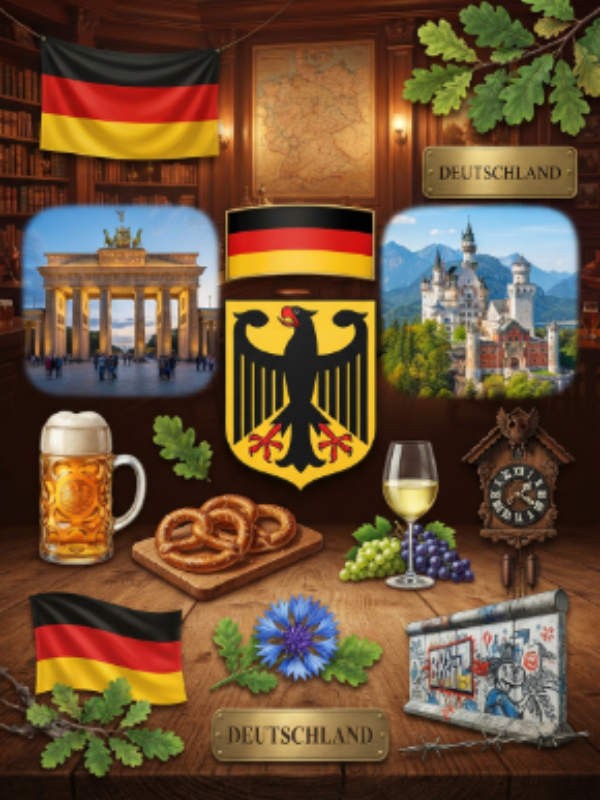
- German symbols have traveled beyond national borders throughout history.
- Trade, migration, and conquest helped spread these symbols across Europe.
- Some symbols influenced neighboring cultures and their own traditions.
- Other cultures also influenced how German symbols developed over time.
- This cultural exchange created shared symbolic meanings across regions.
- Understanding this exchange reveals deeper historical connections between nations.
- Some symbols evolved differently depending on cultural interpretation.
- Global trade and media further spread these symbols worldwide.
- This section explores how different eras shaped symbolic exchange.
- These connections highlight Germany’s influence on broader European history.
- Cultural exchange continues to shape symbolic meaning even today.
Ancient Germanic Tribes
- Ancient Germanic tribes developed early symbols reflecting their beliefs and lifestyle.
- These symbols later influenced neighboring cultures through trade and conflict.
- Tribal symbols often represented protection, strength, and spiritual belief.
- Interaction with other tribes led to shared symbolic meanings.
- These early symbols formed the foundation for later German traditions.
- Migration spread these symbols across different regions of Europe.
- Some symbols merged with local traditions in new territories.
- This blending created diverse variations of similar core symbols.
- Historians trace many modern symbols back to these tribal origins.
- These roots remain central to understanding German symbolic history.
- Ancient tribal influence remains visible in modern cultural symbolism.
Roman Influence
- Roman contact significantly influenced early Germanic symbolic traditions and practices.
- Trade and conflict introduced new artistic and symbolic ideas.
- Some Germanic symbols were adapted from Roman military insignia.
- Roman architecture also influenced later German symbolic design elements.
- This exchange created a blend of Roman and Germanic symbolism.
- Historians study these influences to understand cultural exchange patterns.
- Roman writing systems also impacted early Germanic symbolic communication.
- Some religious symbols merged as cultures interacted over centuries.
- This influence shaped early European artistic and symbolic traditions.
- Understanding Roman influence adds context to Germanic symbolic history.
- This blending remains an important part of European cultural history.
Medieval Europe
- Medieval Europe saw German symbols evolve within feudal political structures.
- Coats of arms became important symbols representing noble families.
- Religious symbols grew more prominent during this historical period.
- Castles and shields often displayed powerful symbolic designs.
- These symbols represented loyalty, protection, and noble authority.
- Trade routes helped spread symbolic designs across medieval Europe.
- Religious institutions also influenced symbolic meaning during this era.
- Many modern German symbols trace their roots to this period.
- Historians study medieval heraldry to understand symbolic evolution.
- This era shaped much of Germany’s formal symbolic tradition.
- Medieval influence remains visible in modern German symbolism today.
Modern Europe
- Modern Europe reflects a blend of historical and contemporary German symbolism.
- National symbols now represent democratic values and shared unity.
- European integration has influenced how symbols are understood today.
- Some symbols represent both national and broader European identity.
- Modern design blends traditional symbolism with contemporary artistic styles.
- These symbols appear in media, politics, and international relations.
- Cultural exchange within Europe continues shaping symbolic meaning today.
- Modern audiences interpret these symbols through a contemporary lens.
- This evolution reflects Germany’s role within the European community.
- Understanding modern context helps clarify current symbolic meaning.
- Modern Europe continues to shape the future of German symbolism.
Global Influence
- German symbols have gained recognition far beyond European borders today.
- Global media, sports, and travel help spread these symbols worldwide.
- International audiences often recognize symbols like the flag and eagle.
- Cultural exchange through migration has spread symbolic influence globally.
- Businesses worldwide sometimes use German symbols to represent quality.
- Educational programs abroad teach about these symbols and their history.
- Global tourism increases exposure to Germany’s rich symbolic culture.
- Social media further amplifies awareness of these cultural symbols.
- This global influence reflects Germany’s significant historical impact worldwide.
- Understanding this reach highlights the symbols’ lasting cultural power.
- Global recognition continues to grow through ongoing cultural exchange.
German Symbols in Art, Movies & Pop Culture
- German symbols frequently appear throughout art, film, and popular media today.
- Artists use these symbols to explore historical and cultural themes.
- Movies often reference symbols to add authenticity to German settings.
- Pop culture sometimes reinterprets traditional symbols in modern creative ways.
- These symbols help audiences connect emotionally with historical storytelling.
- Fashion designers also incorporate symbolic elements into modern clothing lines.
- Music and album art occasionally feature traditional German symbolism.
- This creative use keeps ancient symbols relevant for younger audiences.
- International films often use these symbols to represent German identity.
- Pop culture continues to reshape how symbols are understood publicly.
- This ongoing creative use ensures symbols remain culturally relevant today.
Spiritual & Dream Meaning of German Symbols
- Some German symbols carry spiritual meaning connected to dreams and intuition.
- People sometimes interpret these symbols as appearing within personal dreams.
- Runes, in particular, are often linked to spiritual guidance and reflection.
- Nature symbols may represent personal growth or life transitions in dreams.
- Spiritual practitioners study these symbols for deeper personal insight.
- Dream interpretation often draws from ancient symbolic meanings and beliefs.
- These interpretations vary depending on personal and cultural background.
- Some people use these symbols during meditation or reflection practices.
- This spiritual approach connects modern individuals to ancient traditions.
- Understanding these meanings adds a personal dimension to symbolism.
- Spiritual interpretation remains a meaningful, though personal, area of study.
Positive vs Negative Meaning
- German symbols can carry both positive and negative meanings depending on context.
- Historical events have shaped how certain symbols are perceived today.
- Some symbols represent unity, strength, and positive national pride.
- Others carry painful associations tied to difficult historical periods.
- Context and history play a major role in symbolic interpretation.
- Understanding both sides helps prevent misuse or misunderstanding of symbols.
- Modern Germany carefully distinguishes between positive and restricted symbols.
- Education plays a key role in clarifying these important differences.
- This balanced understanding promotes responsible and respectful symbol use.
- Recognizing both meanings ensures accurate historical and cultural awareness.
- This section explores both positive and negative symbolic interpretations.
Positive Meanings
- Positive German symbols represent unity, freedom, strength, and national pride.
- The flag and eagle reflect democratic values and shared identity.
- Nature symbols represent growth, endurance, and connection to heritage.
- Family symbols represent love, loyalty, and generational continuity.
- These positive symbols are widely celebrated during national events.
- They inspire pride without carrying painful historical associations.
- Many positive symbols are used in education and public celebrations.
- These meanings promote unity and shared cultural understanding today.
- People often choose positive symbols for personal or artistic expression.
- Their widespread acceptance reflects modern democratic and cultural values.
- Positive symbols continue to represent Germany’s hopeful national identity.
Negative Interpretations
- Some German symbols carry negative meaning due to historical misuse.
- Certain wartime symbols remain restricted due to painful associations.
- These symbols are primarily studied within historical education settings.
- Public misuse of restricted symbols is generally prohibited by law.
- Understanding this history helps prevent unintentional cultural insensitivity.
- Museums provide careful context to explain these difficult symbols.
- Modern Germany actively discourages the celebratory use of such symbols.
- Education helps clarify why certain interpretations remain deeply sensitive.
- Awareness of negative interpretations promotes responsible historical understanding.
- This careful approach reflects lessons learned from difficult history.
- Negative interpretations remain an important part of historical education.
Why Humans Are Attracted to German Symbols
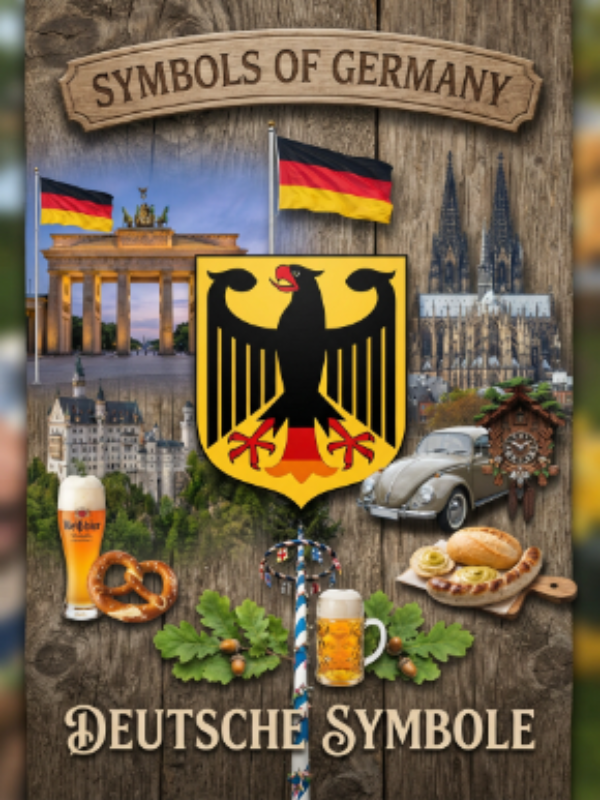
- Humans are naturally drawn to symbols that represent identity and belonging.
- German symbols offer a strong connection to history and heritage.
- People often seek meaning and personal significance through symbolic imagery.
- Symbols provide emotional comfort through shared cultural and family ties.
- Historical depth adds intrigue and fascination for many symbol enthusiasts.
- Visual appeal also plays a role in symbolic attraction and popularity.
- Many people admire the strength and resilience these symbols represent.
- Personal identity often connects to family or cultural symbolic meaning.
- Symbols offer a sense of continuity between past and present generations.
- This deep connection explains their popularity in tattoos and art.
- Overall, these symbols continue to resonate with people worldwide.
FAQs about German Symbols
What is the most famous German symbol?
The federal eagle and the black-red-gold flag are Germany’s most famous symbols.
What does the German eagle symbolize?
The eagle symbolizes strength, freedom, and national sovereignty for Germany.
What do the colors of the German flag mean?
Black, red, and gold represent unity, justice, and hard-won national freedom.
Are ancient Germanic runes still used today?
Yes, runes are popular in modern art, tattoos, and spiritual practices.
Is the Iron Cross still used in Germany today?
It remains a historical symbol, mainly studied within military and museum contexts.
Why are some German symbols restricted by law?
Certain wartime symbols are restricted due to their painful historical associations.
What is a common German family symbol?
Trees and storks are common symbols representing family growth and new beginnings.
Can I get a German symbol tattoo?
Yes, but it’s important to research the symbol’s meaning and history first.
Conclusion
German symbols carry deep meaning built over many centuries of history. They connect modern Germany to its ancient roots and traditions. From tribal runes to the national eagle, each symbol tells a story. War, politics, and family life have all shaped their true meaning. Some symbols bring pride, while others remind people of difficult times. Together, they form a rich picture of German identity today.
Exploring these symbols helps us understand Germany beyond its modern image. Each design reflects strength, unity, freedom, or personal belief. Many people still use these symbols in art, tattoos, and daily life. Their meaning continues to evolve with each new generation. Learning their history adds respect and deeper appreciation for the culture. These 90+ symbols truly show how the past still shapes modern life.
