

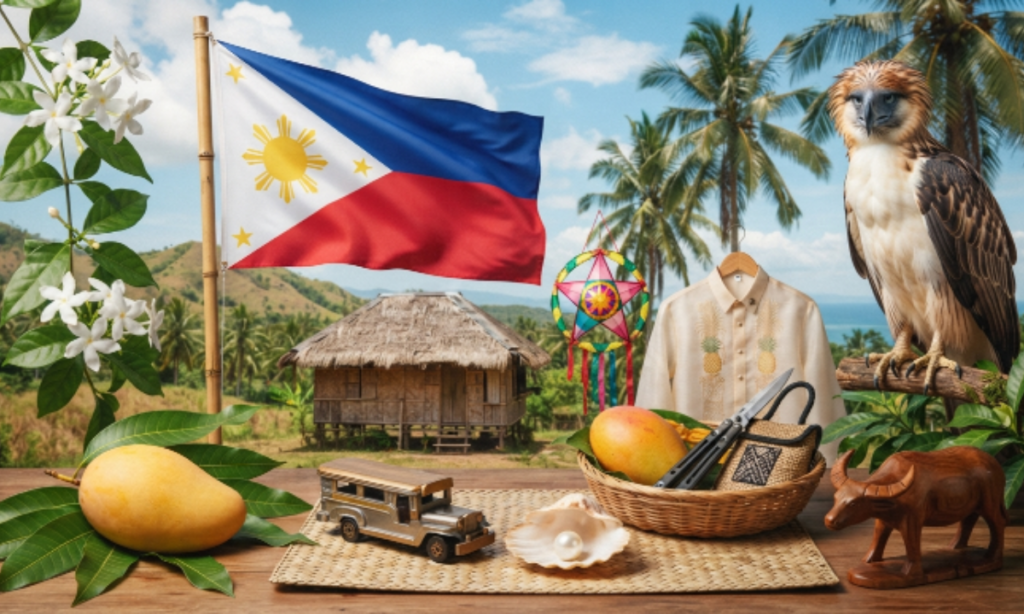
The Philippines holds more hidden symbols than most people ever notice. They hide in old houses, in tattoos, and in quiet family traditions. Some come from ancient tribes who lived on the islands long before Spanish ships arrived. Others grew from faith, blending old beliefs with newer Catholic practices. Each symbol carries a small story about survival, hope, or protection. Once you start noticing them, you see them everywhere in daily Filipino life.
This list uncovers over 70 of these symbols, many of them rarely explained anywhere else. You’ll learn why the sun on the flag means more than just light. You’ll see how simple shapes once protected entire villages from harm. Some symbols speak of family, strength, and quiet everyday courage. Others carry darker meanings tied to old fears and spiritual beliefs. By the end, you’ll never look at Filipino culture the same way again.
Filipino Cultural Symbols And Their Meanings
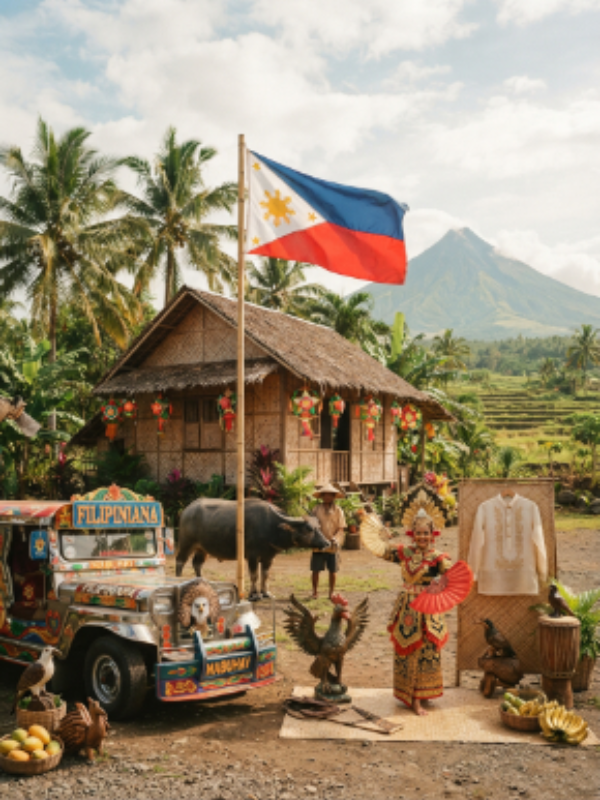
- Filipino cultural symbols carry centuries of history, faith, and community values passed down through generations of storytellers and artisans.Filipino Symbols
- Each symbol reflects a unique blend of indigenous belief, Spanish colonial influence, and Southeast Asian trade connections shaping Philippine identity.
- From woven textiles to carved wood, these symbols express courage, unity, protection, and the deep respect Filipinos hold for family.
- Many symbols originated in pre-colonial tribes, later adapted by lowland communities while retaining their original spiritual and protective meanings.Filipino Symbols
- The sun, stars, and mountains found in Filipino art often represent freedom, hope, and the diverse regions of the archipelago.
- Symbols like the sarimanok and bahay kubo show how nature and daily life inspired lasting visual traditions across the islands.
- Filipino tattoo art, known as batok, used symbols to mark bravery, status, and personal milestones within tribal communities long ago.
- Religious symbols merged with older animist beliefs, creating a distinct visual language found in churches, homes, and festivals today.
- Colors within these symbols also matter, with red often meaning courage, white meaning peace, and blue meaning loyalty or truth.
- Modern Filipino designers continue reviving these symbols in fashion, jewelry, and tattoos to celebrate heritage and cultural pride proudly.
- Understanding these symbols helps both Filipinos and outsiders appreciate the depth of Philippine history beyond textbook summaries alone.
- Many families still display these symbols at home, believing they bring protection, good fortune, and strong ancestral connection.
- Filipino symbols are not static; they evolve as artists reinterpret old meanings for new generations facing modern challenges.
- Studying these symbols offers insight into how the Philippines balanced indigenous roots with centuries of foreign cultural exchange.
- Ultimately, Filipino cultural symbols remain living expressions of identity, resilience, and the enduring spirit of the Filipino people.
Filipino Symbols And Meanings
- Filipino symbols and meanings span nature, spirituality, and everyday objects that carry deep significance within local communities and families.
- The sun represents new beginnings and hope, often appearing in flags, jewelry, and traditional weaving patterns across regions.
- Triangular shapes frequently symbolize mountains or protection, referencing the rugged landscapes that shaped early Filipino settlements and survival.
- Circular patterns often represent unity, continuity, and the cyclical nature of life found in many indigenous belief systems.
- Animal symbols like the carabao represent hard work, patience, and the agricultural backbone of traditional Filipino livelihood.
- Bird symbols, especially the sarimanok, represent good fortune, prosperity, and messages from the spiritual world in Maranao culture.
- Plant symbols such as rice stalks represent abundance, sustenance, and gratitude toward the land that feeds the community.
- Woven patterns in textiles often encode stories, clan identity, and social status recognized instantly by community elders.
- Water symbols represent purification, life, and the surrounding seas that connected island communities through trade and migration.
- Star symbols often represent guidance, hope, and the scattered islands unified under one shared national identity.
- Hand and eye symbols sometimes appear as protective charms warding off bad luck or negative spiritual energy.Filipino Symbols
- Knot and weave patterns symbolize family bonds, interconnected relationships, and the strength found in community cooperation.
- Fire symbols represent passion, transformation, and the resilience Filipinos show when rebuilding after hardship or disaster.
- Mountain symbols represent stability, endurance, and the strong foundation families hope to build for future generations.
- Together, these symbols and meanings form a visual vocabulary still respected and referenced throughout modern Filipino culture.
Filipino Symbols Letters
- Filipino symbols letters usually refer to Baybayin, the pre-colonial writing system used across the Philippine archipelago before Spanish colonization.
- Baybayin consists of characters representing syllables rather than single letters, making it distinct from the modern Latin alphabet.
- Each character in Baybayin combines a consonant with a vowel sound, adjusted using small marks called above or below.
- Historians believe Baybayin was widely used for personal notes, poetry, and communication among early Tagalog and Visayan communities.Filipino Symbols
- Spanish colonizers documented Baybayin in early records before it gradually declined in favor of the Latin alphabet system.
- Today, Baybayin has experienced a strong cultural revival, appearing in tattoos, clothing, and official government identification documents.Filipino Symbols
- Some Philippine passports and national identification cards now feature Baybayin script alongside standard Latin lettering for cultural pride.
- Learning Baybayin symbols connects modern Filipinos to their pre-colonial heritage and linguistic history often overlooked in schools.
- Artists frequently transform Baybayin letters into decorative designs, blending ancient script with contemporary graphic and fashion trends.
- Different regions historically used slightly varied versions of Baybayin, reflecting local dialects like Tagalog, Ilocano, and Visayan.
- Baybayin’s revival reflects a broader movement encouraging Filipinos to reclaim indigenous knowledge suppressed during centuries of colonization.
- Schools and cultural organizations now teach Baybayin as part of efforts to preserve endangered Philippine writing traditions.
- Baybayin letters often appear in murals, logos, and public art projects celebrating Filipino identity and creative expression.
- Understanding these symbol letters offers a window into how early Filipinos recorded language before foreign alphabets arrived.
- Baybayin remains a powerful reminder that Filipino civilization had sophisticated communication systems long before colonial contact began.Filipino Symbols
Philippines Symbols And Meanings
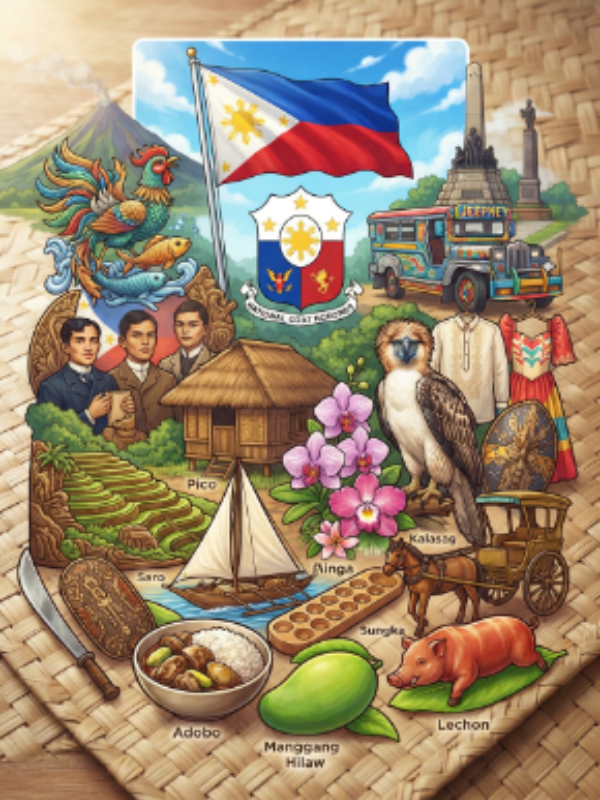
- Philippines symbols and meanings represent the nation’s history, geography, and diverse cultural influences from Luzon to Mindanao.
- The Philippine flag itself is symbolic, with its sun, stars, and colors representing unity, freedom, and sacrifice.Filipino Symbols
- National symbols like the eagle and flower represent strength, purity, and love for the homeland.Filipino Symbols
- Regional symbols vary widely, reflecting the distinct traditions of Tagalog, Cebuano, Ilocano, and Mindanaoan communities nationwide.
- Historical symbols connected to the revolution against Spain represent courage, resistance, and the fight for independence.
- Religious symbols blend Catholic imagery with older indigenous beliefs, creating a distinctly Filipino spiritual visual tradition.
- Symbols of hospitality, like offering food to guests, reflect deeply held Filipino values around generosity and warmth.
- Traditional clothing patterns often carry symbolic meaning tied to social rank, marital status, or tribal affiliation.
- Symbols found in folk dances, like the tinikling, represent agility, rural life, and community celebration.Filipino Symbols
- Maritime symbols reflect the Philippines’ identity as an archipelago shaped by seafaring trade and migration routes.
- Symbols of family unity remain central, often depicted through interlocking hands or shared household imagery.
- Harvest symbols celebrate agricultural abundance, gratitude, and the deep connection between Filipinos and their land.
- Symbols tied to bravery honor historical heroes who resisted colonization and fought for national sovereignty.
- Modern Philippine symbols also include contemporary icons representing overseas workers and their sacrifices abroad.
- Together, these symbols and meanings capture a nation shaped by resilience, diversity, and enduring cultural pride.
National Symbols Of The Philippines
- National symbols of the Philippines represent the country’s identity, values, and shared history recognized by law and tradition.
- The Philippine flag features a sun with eight rays, symbolizing the first provinces that revolted against Spanish rule.
- Three stars on the flag represent the major island groups of Luzon, Visayas, and Mindanao unified nationally.
- The narra tree is the national tree, symbolizing strength, durability, and the resilience of Filipino character.Filipino Symbols
- Sampaguita is the national flower, representing purity, simplicity, and deep-rooted love for family and country.
- The Philippine eagle is the national bird, symbolizing power, freedom, and the country’s rich biodiversity heritage.
- Carabao serves as an unofficial national animal, representing hard work, patience, and rural agricultural life.Filipino Symbols
- The national anthem, Lupang Hinirang, symbolizes patriotism, sacrifice, and pride in Filipino independence and heritage.
- Jeepneys are often considered informal cultural symbols, representing creativity, resourcefulness, and postwar Filipino ingenuity.
- Barong Tagalog remains a national symbol of formal attire, representing elegance, tradition, and cultural pride.
- The Philippine peso and its imagery reflect national heroes, history, and economic identity recognized nationwide.
- Rizal’s monument symbolizes national heroism, intellectual courage, and sacrifice for freedom and independence.
- The national language, Filipino, symbolizes unity among diverse linguistic groups across the entire archipelago.
- Historical landmarks like Intramuros symbolize resilience through colonization, war, and continuous cultural rebuilding.
- These national symbols collectively reinforce a shared sense of pride, unity, and belonging among Filipinos everywhere.
Ancient And Traditional Filipino Symbols
- Ancient and traditional Filipino symbols originate from pre-colonial tribes who used visual language for identity and protection.
- Tribal tattoos, or, marked warriors’ achievements, representing bravery, strength, and social status within the community.
- Woven mat patterns from indigenous groups often symbolized clan lineage, spiritual beliefs, and daily agricultural life.
- Wooden carvings represented rice deities, protecting harvests and ensuring prosperity for mountain communities.
- Shell and bead jewelry symbolized wealth, trade connections, and status among coastal and highland tribes.
- Geometric patterns in ancient pottery often represented natural elements like rain, mountains, and flowing rivers.Filipino Symbols
- Ifugao carvings frequently depicted ancestral spirits believed to guide and protect living family members.
- T’boli brass ornaments symbolized beauty, spiritual protection, and skilled craftsmanship passed through generations.
- Traditional weapons like the kris carried symbolic power representing honor, strength, and warrior identity.
- Ancient burial jars symbolized respect for ancestors and belief in life continuing after death.
- Weaving traditions among the Yakan people symbolized identity, community pride, and generational skill transfer.
- Symbols carved into house posts represented protection, prosperity, and spiritual balance within the household.
- Traditional gongs and instruments symbolized celebration, communication, and connection to ancestral spiritual practices.
- Body ornaments among highland tribes symbolized rank, marital status, and personal achievements earned.
- These ancient and traditional symbols remain foundational to understanding authentic pre-colonial Filipino culture.
Filipino Symbols Of Identity, Culture And Strength
- Filipino symbols of identity, culture, and strength reflect centuries of resilience against colonization, disasters, and hardship.
- The kubo symbolizes simplicity, community cooperation, and adaptability to tropical island living conditions.
- Bayanihan, depicted through communal house-carrying imagery, symbolizes unity, cooperation, and collective strength during hardship.
- The Filipino smile itself has become a cultural symbol representing resilience despite challenging circumstances.
- Woven abaca fabric symbolizes strength, durability, and skilled craftsmanship passed down through generations.Filipino Symbols
- The mano po gesture symbolizes respect for elders, humility, and strong intergenerational family bonds.
- Traditional dances like singkil symbolize royalty, grace, and cultural storytelling through movement and rhythm.
- Symbols of faith, like religious processions, represent devotion, hope, and community spiritual strength.
- The image of overseas Filipino workers symbolizes sacrifice, determination, and love for family abroad.
- Indigenous tattoos symbolize personal identity, courage, and connection to ancestral tribal heritage.
- Filipino cuisine itself carries symbolic weight, representing hospitality, resourcefulness, and shared community celebration.
- The Filipino flag’s colors symbolize peace, courage, and the bloodshed sacrificed for independence.
- Symbols of unity during disasters reflect the resilient bayanihan spirit still practiced today.
- Cultural festivals symbolize gratitude, historical memory, and pride in regional community identity.Filipino Symbols
- Together, these symbols form a powerful representation of Filipino strength, identity, and cultural pride.
Family Filipino Symbols And Meanings
- Family Filipino symbols and meanings emphasize the deep importance of kinship, respect, and generational responsibility within households.
- Interlocking hand imagery often symbolizes family unity, cooperation, and the support shared between generations.
- The kubo symbolizes a family’s shared home, representing warmth, simplicity, and communal living values.
- Mano po gestures symbolize respect toward elders, reinforcing hierarchical family structures and generational gratitude.
- Shared meals symbolize family bonding, hospitality, and the importance of togetherness during daily life.
- Ancestral portraits displayed at home symbolize honor, remembrance, and continued connection to family history.
- Family trees or lineage charts symbolize pride in heritage and awareness of extended kinship networks.
- Religious icons displayed in homes symbolize protection, faith, and shared spiritual guidance for families.
- Traditional lullabies symbolize nurturing bonds between parents and children passed through oral tradition.
- Wedding rituals often include symbols representing unity between two families joining through marriage.
- Baptism ceremonies symbolize welcoming a child into both the family and the wider community.
- Filial piety symbols represent children’s lifelong responsibility to care for aging parents.
- Symbols of sacrifice, like overseas work, represent parental love and dedication to family welfare.
- Shared surnames symbolize identity, lineage, and continuity across multiple family generations.Filipino Symbols
- These family symbols reflect the collectivist values central to traditional Filipino household life.
Filipino Symbols For Strength
- Filipino symbols for strength often draw from nature, mythology, and historical resistance against colonization and hardship.
- The carabao symbolizes strength through patience, representing steady hard work despite difficult circumstances faced daily.
- Mountain imagery symbolizes endurance, stability, and the unshakable resilience found within Filipino character.
- The sun symbolizes strength through renewal, representing hope and energy after difficult periods.
- Warrior tattoos historically symbolized physical strength, courage, and achievements earned through tribal battles.
- The kris blade symbolizes strength, honor, and protective power within traditional Filipino weaponry.
- Bamboo symbolizes flexible strength, bending under pressure yet remaining unbroken through adversity.
- The eagle symbolizes strength through freedom, representing power and resilience across the nation.
- Storm imagery symbolizes strength through survival, reflecting how communities rebuild after natural disasters.
- Ancestral spirit symbols represent protective strength passed down to guide living descendants.
- The baybayin character for strength itself is sometimes used decoratively in modern tattoos.
- Woven textile patterns symbolize strength through interconnected threads representing community support systems.
- Fire symbols represent inner strength, transformation, and resilience during personal or communal struggle.
- The bayanihan spirit symbolizes collective strength achieved through cooperation rather than individual effort.
- These symbols collectively reflect how Filipinos define strength through endurance, unity, and resilience.
Symbols That Represent Filipino Culture
- Symbols that represent Filipino culture reflect a blend of indigenous heritage, colonial history, and modern national identity.
- The flower represents purity and love, frequently used in garlands during cultural celebrations.
- Jeepneys represent resourcefulness and creativity, transformed from military vehicles into colorful public transportation.
- The barong Tagalog represents formal elegance, worn during weddings, celebrations, and official cultural events.
- Rice terraces represent agricultural heritage, showcasing centuries of engineering skill among mountain communities.
- Traditional dances like tinikling represent rural life, agility, and joyful community celebration.
- The Philippine flag represents national unity, sacrifice, and pride earned through independence struggles.Filipino Symbols
- Filipino cuisine represents hospitality, resourcefulness, and the blending of diverse regional culinary traditions.
- Religious festivals represent devotion, community bonding, and centuries of Catholic and indigenous fusion.
- Baybayin script represents pre-colonial literacy and renewed pride in indigenous linguistic heritage.
- The bahay kubo represents simplicity, sustainability, and traditional architectural adaptation to tropical climates.
- Woven textiles represent regional identity, craftsmanship, and generational knowledge transfer among artisans.
- The Filipino smile represents resilience, warmth, and hospitality despite challenging life circumstances.
- Bayanihan imagery represents cooperation, unity, and communal support during times of hardship.
- Together, these symbols capture the diversity and richness defining authentic Filipino culture today.
Filipino Symbols Of Strength
- Filipino symbols of strength draw heavily from nature, historical resilience, and enduring communal values across generations.
- The carabao remains a powerful symbol, representing patience and steady strength through agricultural labor.
- Storms and typhoons, while destructive, symbolize resilience through the community’s ability to recover repeatedly.
- Bamboo symbolizes flexible strength, surviving strong winds by bending rather than breaking apart.
- Mountain ranges symbolize permanence and stability, reflecting the enduring nature of Filipino resilience.
- Warrior imagery from pre-colonial tribes symbolizes courage and physical strength earned through conflict.
- The Philippine eagle symbolizes strength and freedom, representing the nation’s resilience and pride.
- Ancestral protective symbols represent spiritual strength believed to guide and shield descendants.
- The sun symbolizes renewed strength, representing hope and energy after hardship or loss.
- Traditional weapons like the kris symbolize honor and protective strength within Filipino heritage.
- Woven patterns symbolize collective strength, showing how interconnected threads create lasting durability.
- The bayanihan tradition symbolizes strength found in unity rather than individual effort alone.
- Fire imagery symbolizes transformative strength, representing resilience through struggle and eventual renewal.
- Overseas worker symbolism represents sacrificial strength, showing dedication to family despite distance.
- These symbols together illustrate how strength is deeply woven into Filipino cultural identity.
Filipino Culture Symbols
- Filipino culture symbols reflect centuries of indigenous tradition blended with colonial influence and modern national pride.
- The kubo symbolizes traditional architecture, representing simplicity and adaptation to tropical living conditions.
- Barong Tagalog symbolizes formal cultural attire, worn during significant celebrations and official occasions.
- Sampaguita symbolizes purity and love, often used in religious offerings and cultural garlands.
- Baybayin symbolizes pre-colonial literacy, now revived as a proud marker of indigenous heritage.
- Traditional dances symbolize regional storytelling, preserving history through rhythmic movement and costume.
- Woven textiles symbolize craftsmanship, regional identity, and generational skill passed through families.
- Religious festivals symbolize devotion, blending Catholic practices with older indigenous spiritual traditions.
- Jeepneys symbolize creativity and resilience, repurposed from wartime vehicles into cultural icons.
- Filipino cuisine symbolizes hospitality, showcasing diverse regional flavors shaped by history and trade.
- The Philippine flag symbolizes unity and sacrifice, central to national cultural identity.
- Bayanihan symbolizes cooperation, representing communal support during challenges and celebrations alike.
- Folk songs symbolize oral tradition, preserving stories and values across generations.
- Traditional games symbolize childhood community bonding, still practiced during festivals nationwide.
- These culture symbols collectively preserve and celebrate the richness of Filipino heritage.
Filipino Symbols Culture
- Filipino symbols culture encompasses visual traditions passed through generations, reflecting spirituality, identity, and community values.
- Symbols within tribal tattoos represent achievements, protection, and personal identity among indigenous groups.
- Woven patterns represent regional identity, distinguishing communities through unique color and design choices.
- Religious iconography represents faith, blending Catholic imagery with pre-existing animist spiritual beliefs.
- Nature-based symbols represent respect for land, sea, and the resources sustaining communities.
- Symbols in folk art represent storytelling traditions preserved through carvings, paintings, and crafts.
- Household symbols represent protection, believed to safeguard families from misfortune or harm.
- Symbols in traditional jewelry represent wealth, status, and cultural identity within communities.
- Festival symbols represent gratitude, celebrating harvests, patron saints, and historical milestones.
- Symbols in dance and music represent regional heritage, preserving oral history through performance.
- Modern reinterpretations of these symbols represent renewed cultural pride among younger generations.
- Symbolic culture also includes contemporary icons representing overseas Filipino identity and sacrifice.
- Tattoo culture today revives ancient symbols, blending tradition with modern personal expression.
- Educational efforts increasingly highlight symbols of culture to preserve endangered indigenous knowledge systems.
- Together, this symbol’s culture reflects the depth and diversity of Filipino heritage.
Indigenous Filipino Symbols
- Indigenous Filipino symbols originate from tribal communities across Luzon, Visayas, and Mindanao before colonial contact began.
- The figure represents rice deities, believed to protect harvests among Ifugao mountain communities.
- T’boli brass ornaments represent beauty and spiritual protection within southern Mindanao indigenous traditions.
- Yakan weaving patterns represent identity and community pride passed through generational craftsmanship.
- Kalinga tattoos represent achievements, bravery, and social status earned through tribal life.
- Mangyan script represents indigenous literacy, preserving language independent of colonial alphabet systems.
- B’laan beadwork represents status, beauty, and cultural identity among southern tribal communities.
- Igorot woven textiles represent regional identity, distinguishing different mountain tribe communities visually.
- Maranao sarimanok imagery represents good fortune and spiritual connection within Islamic Filipino culture.
- Badjao maritime symbols represent a deep connection to the sea and nomadic sailing traditions.
- Ancestral spirit carvings represent protection, guiding descendants through spiritual belief systems.
- Traditional gongs represent celebration and communication within indigenous ceremonial practices.
- Indigenous burial symbols represent respect for ancestors and belief in continued spiritual presence.
- Tribal weapon designs represent honor, protection, and warrior identity within community structures.
- These indigenous symbols remain vital to understanding authentic pre-colonial Filipino cultural heritage.
Symbols Of Filipino Identity
- Symbols of Filipino identity reflect a blend of indigenous heritage, colonial history, and modern national consciousness.
- The Philippine flag symbolizes unity, sacrifice, and pride earned through the fight for independence.
- Baybayin script symbolizes reclaimed indigenous identity, increasingly featured in tattoos and official documents.
- The barong Tagalog symbolizes formal cultural identity, worn during significant national celebrations.
- Sampaguita symbolizes national pride, representing purity and deep love for the homeland.
- The Filipino language symbolizes unity among diverse regional dialects spoken across the archipelago.
- Jeepneys symbolize resourceful identity, transformed from wartime vehicles into cultural icons nationwide.
- The kubo symbolizes traditional identity, representing simplicity and communal living values.
- Bayanihan symbolizes collective identity, showing cooperation and unity during times of hardship.
- Overseas Filipino workers symbolize sacrificial identity, representing dedication to family despite distance.
- Traditional festivals symbolize regional identity, preserving historical memory through communal celebration.
- The Filipino smile symbolizes resilient identity, reflecting warmth despite challenging circumstances.
- Indigenous tattoos symbolize personal identity, connecting individuals to ancestral tribal heritage.
- Religious practices symbolize spiritual identity, blending Catholic faith with older indigenous beliefs.
- Together, these symbols form a layered representation of what it means to be Filipino.
Symbols Of Filipino Culture
- Symbols of Filipino culture reveal the archipelago’s diverse regional traditions united under one national identity.
- The kubo symbolizes cultural adaptation, reflecting sustainable living suited to tropical environments.
- Traditional weaving symbolizes cultural craftsmanship, preserving regional patterns through generational knowledge transfer.
- Religious festivals symbolize cultural devotion, blending Catholic celebration with older indigenous practices.
- Folk dances symbolize cultural storytelling, preserving history through rhythmic movement and costume.
- The flower symbolizes cultural purity, frequently used in offerings and celebrations.
- Baybayin script symbolizes cultural literacy, reviving pride in pre-colonial Filipino writing systems.
- Jeepneys symbolize cultural creativity, showcasing resourcefulness through colorful public transportation design.
- Filipino cuisine symbolizes cultural hospitality, blending diverse regional flavors and cooking traditions.
- The barong Tagalog symbolizes cultural formality, worn during weddings and significant occasions.
- Bayanihan symbolizes cultural cooperation, representing communal support during challenges and celebrations.
- Traditional games symbolize cultural bonding, still practiced during festivals and family gatherings.
- Indigenous tattoos symbolize cultural heritage, connecting individuals to ancestral tribal traditions.
- Woodcarvings symbolize cultural artistry, preserving spiritual and decorative traditions across regions.
- These symbols collectively showcase the richness and diversity defining Filipino culture today.
More Ancient And Cultural Filipino Symbols
- More ancient and cultural Filipino symbols reveal additional layers of pre-colonial belief and artistic tradition nationwide.
- designs among Maranao communities symbolize royalty, nature, and intricate spiritual craftsmanship.
- Anito figures symbolize ancestral spirits believed to protect and guide living family members.
- Traditional pottery symbols represent fertility, abundance, and connection to agricultural life.
- Woven mats symbolize hospitality, often given as gifts during important cultural ceremonies.
- Shell ornaments symbolize wealth and trade connections among early coastal communities.
- Carved house posts symbolize protection, believed to ward off evil spirits from homes.
- Traditional brass gongs symbolize celebration, communication, and spiritual ceremonial practices.
- Bead jewelry symbolizes status and identity within tribal community hierarchies.
- Woodcarved deities symbolize spiritual guidance and protection within indigenous belief systems.
- Tattoo patterns symbolize personal achievements and courage earned through community life.
- Woven baskets symbolize resourcefulness and daily practical use within rural households.
- Ceremonial daggers symbolize honor and protective spiritual power within tribal culture.
- Ancestral burial jars symbolize respect and continued connection to deceased relatives.
- These additional symbols deepen understanding of the Philippines’ rich ancient cultural heritage.
Ancient Filipino Symbols And Meanings
- Ancient Filipino symbols and meanings reveal spiritual beliefs, social structures, and artistic traditions from pre-colonial communities.
- The sun symbolized life-giving energy, often carved into ancient tools and ceremonial objects.
- Spirals represented the cycle of life, frequently appearing in ancient pottery and carvings.
- Triangular mountain shapes represented protection and stability within early settlement communities.
- Serpent imagery represented wisdom and spiritual guardianship in various tribal belief systems.
- Bird imagery represented messages from spirits, connecting the physical and spiritual worlds.
- Woven geometric patterns represented natural elements like rain, rivers, and mountain ranges.
- Ancestral figures represented protection, guiding descendants through spiritual belief and ritual practice.
- Fire symbols represented transformation, purification, and renewal within ceremonial traditions.
- Water symbols represented life, fertility, and the surrounding seas connecting island communities.
- Animal carvings represented strength, patience, or wisdom depending on the specific creature.
- Star patterns represented guidance, often used for navigation across ocean trade routes.
- Circular designs represented unity and continuity within community and family structures.
- Warrior symbols represented bravery and status earned through tribal conflict and achievement.
- These ancient meanings continue influencing modern Filipino art, tattoos, and cultural identity.
Filipino Cultural Symbols
- Filipino cultural symbols represent centuries of indigenous belief blended with colonial history and modern national pride.
- The kubo represents traditional simplicity, reflecting sustainable architecture suited to tropical climates.
- Baybayin represents pre-colonial literacy, now celebrated as a symbol of reclaimed heritage.
- Sampaguita represents purity and love, frequently used during religious and cultural ceremonies.
- The barong Tagalog represents formal elegance, worn during significant national celebrations.
- Bayanihan represents cooperation, illustrating community strength during hardship and collective effort.
- Traditional weaving represents craftsmanship, preserving regional identity through generational skill transfer.
- Religious festivals represent devotion, blending Catholic practices with older indigenous spiritual traditions.
- Jeepneys represent creativity, transformed from wartime vehicles into iconic public transportation.
- Folk dances represent storytelling, preserving regional history through movement and costume design.
- Filipino cuisine represents hospitality, blending diverse regional flavors shaped by trade and history.
- The Philippine flag represents unity and sacrifice central to national cultural identity.
- Indigenous tattoos represent personal heritage, connecting individuals to ancestral tribal traditions.
- Traditional games represent community bonding, still practiced during festivals and family gatherings.
- These cultural symbols collectively preserve and celebrate the depth of Filipino heritage.
Ancient Filipino Symbols For Strength
- Ancient Filipino symbols for strength reflect tribal beliefs, warrior traditions, and spiritual protection passed through generations.
- Warrior tattoos symbolized physical strength and courage earned through tribal battles and achievements.
- The kris blade symbolized protective strength, believed to carry spiritual power against enemies.
- Mountain carvings symbolized enduring strength, representing stability within early settlement communities.
- Ancestral spirit figures symbolized guiding strength, protecting descendants through spiritual belief systems.
- The carabao symbolized working strength, representing patience through demanding agricultural labor.
- Storm and thunder imagery symbolized destructive strength, respected within animist belief traditions.
- Bamboo motifs symbolized flexible strength, surviving hardship without breaking under pressure.
- Serpent carvings symbolized protective strength, guarding communities from spiritual or physical harm.
- Sun symbols represented life-giving strength, believed to energize crops and communities alike.
- Woven shield patterns symbolized defensive strength, used during tribal conflicts and ceremonies.
- Bird of prey imagery symbolized strength through freedom and dominance within nature.
- Fire rituals symbolized transformative strength, purifying communities before important tribal events.
- Beaded warrior ornaments symbolized earned strength, displaying achievements within tribal hierarchies.
- These ancient strength symbols remain influential in modern Filipino tattoo and art traditions.
Filipino Symbols For Family
- Filipino symbols for family emphasize kinship, respect, and generational responsibility central to Filipino household values.
- The kubo symbolizes family unity, representing shared living space and communal support.
- Interlocking hand imagery symbolizes family cooperation, reinforcing bonds between different generations.
- Shared meals symbolize family bonding, emphasizing togetherness during everyday household life.
- Mano po gestures symbolize respect for elders, reinforcing hierarchical family relationships.
- Ancestral portraits symbolize remembrance, honoring family history within the household setting.
- Religious icons symbolize protection, offering shared spiritual guidance for the entire family.
- Wedding rituals symbolize unity, joining two families together through marriage traditions.
- Baptism symbols represent welcoming, introducing children into both family and community.
- Family trees symbolize pride, tracing lineage and connection across generations.
- Filial piety symbols represent lifelong duty toward caring for aging parents.
- Overseas worker imagery symbolizes sacrifice, representing love and dedication toward family welfare.
- Shared surnames symbolize continuity, preserving identity across multiple family generations.
- Lullabies symbolize nurturing bonds, passed down through oral tradition between generations.
- These family symbols reflect the collectivist values deeply rooted in Filipino society.
Traditional Filipino Symbols And Meanings
- Traditional Filipino symbols and meanings reflect generations of craftsmanship, spirituality, and community values across regions.
- Woven textile patterns symbolize regional identity, distinguishing communities through unique colors and designs.
- The barong Tagalog symbolizes formal tradition, worn during weddings and significant occasions.
- Traditional dances symbolize storytelling, preserving regional history through movement and costume.
- Wood carvings symbolize spiritual protection, often placed within homes for guidance.
- Religious processions symbolize devotion, blending Catholic faith with older indigenous practices.
- Traditional pottery symbolizes daily life, representing fertility and agricultural abundance.
- Folk songs symbolize oral history, preserving values and stories across generations.
- Traditional jewelry symbolizes status, representing wealth and cultural identity within communities.
- Bamboo crafts symbolize resourcefulness, reflecting sustainable use of natural materials.
- Traditional games symbolize community bonding, still practiced during festivals nationwide.
- Woven baskets symbolize practicality, used for daily household and agricultural tasks.
- Ceremonial masks symbolize spiritual transformation, used within specific regional rituals.
- Traditional tattoos symbolize achievement, marking bravery and social status within tribes.
- These traditional symbols collectively preserve the depth and richness of Filipino heritage.
Old Filipino Symbols For Strength
- Old Filipino symbols for strength trace back to pre-colonial tribal beliefs and warrior traditions nationwide.
- Ancient tattoo patterns represented physical strength, marking bravery earned through tribal combat.
- The kris weapon represented spiritual strength, believed to protect its bearer from harm.
- Mountain imagery represented enduring strength, symbolizing stability within early settled communities.
- Ancestral guardian figures represented protective strength, guiding descendants through difficult circumstances.
- The carabao represented working strength, reflecting patience through demanding agricultural life.
- Fire rituals represented purifying strength, preparing communities for important tribal events.
- Serpent carvings represented protective strength, guarding villages from spiritual or physical threats.
- Storm symbolism represented destructive strength, respected within traditional animist belief systems.
- Bamboo motifs represented flexible strength, enduring hardship without breaking completely.
- Woven shields represented defensive strength, used during tribal warfare and ceremonial events.
- Sun imagery represented life-giving strength, believed to energize crops and communities.
- Bird of prey symbols represented dominant strength, admired within natural surroundings.
- Beaded ornaments represented earned strength, displaying status within tribal social hierarchies.
- These old strength symbols continue influencing modern Filipino tattoo and artistic traditions.
Tagalog Family Filipino Symbols And Meanings
- Tagalog family Filipino symbols and meanings emphasize respect, unity, and generational responsibility within Tagalog-speaking communities.
- The kubo symbolizes traditional Tagalog family life, representing simplicity and shared living space.
- Mano po gestures symbolize deep respect toward elders within Tagalog household traditions.
- Kamag-anak imagery symbolizes extended family bonds, emphasizing cooperation beyond the immediate household.
- Shared meals symbolize Tagalog family bonding, reinforcing togetherness during daily life.
- Ancestral remembrance symbolizes honoring Tagalog family history through stories and portraits.
- Religious icons symbolize spiritual protection commonly displayed within Tagalog family homes.
- Wedding customs symbolize uniting two Tagalog families through shared traditions and rituals.
- Baptismal symbols represent welcoming children into both family and Tagalog community life.
- Filial piety symbolizes lifelong duty toward caring for aging Tagalog parents.
- Family surnames symbolize lineage continuity within traditional Tagalog naming customs.
- Overseas worker symbolism represents sacrifice made by Tagalog families for better futures.
- Lullabies symbolize nurturing bonds passed through generations within Tagalog households.
- Family gatherings symbolize unity, especially during Tagalog regional festivals and celebrations.
- These Tagalog family symbols reflect enduring values central to Filipino household life.
Ilocano Ancient Filipino Symbols And Meanings
- Ilocano ancient Filipino symbols and meanings reflect the resourcefulness and resilience of northern Luzon communities.
- Woven Ilocano textiles, called abel, symbolize craftsmanship and regional identity passed through generations.
- Traditional Ilocano pottery symbolizes practicality, reflecting resourceful daily living in northern regions.
- Ancestral house designs symbolize Ilocano resilience, adapted to withstand strong seasonal typhoons.
- Agricultural symbols represent Ilocano dedication to farming despite challenging mountainous terrain.
- Traditional Ilocano dances symbolize community celebration, preserving regional history through performance.
- Woven baskets symbolize Ilocano resourcefulness, used for daily agricultural and household tasks.
- Religious icons symbolize devotion, blending Catholic faith with older Ilocano spiritual beliefs.
- Traditional Ilocano proverbs, or pagsasao, symbolize wisdom passed through generations verbally.
- Salt-making imagery symbolizes Ilocano ingenuity, reflecting a historically important regional industry.
- Ancestral burial customs symbolize respect for the deceased within Ilocano tradition.
- Traditional Ilocano clothing symbolizes practicality, suited to northern climate and lifestyle needs.
- Community cooperation symbols reflect Ilocano resilience during natural disasters and hardship.
- Folk songs symbolize Ilocano oral tradition, preserving stories across generations.
- These Ilocano symbols highlight the resilience and resourcefulness central to northern Filipino identity.
Deep Symbolic Meaning Of Filipino Symbols
- Deep symbolic meaning of Filipino symbols often reflects layered spiritual, historical, and communal significance beyond surface appearance.
- The sun’s deeper meaning represents renewal, hope, and the sacrifices made for national independence.
- Water’s deeper meaning represents purification, life, and the interconnectedness of island communities.
- Mountains carry deeper meaning representing endurance, stability, and generational strength within families.
- The carabao’s deeper meaning represents patience, humility, and quiet dedication to hard work.
- Woven patterns carry deeper meaning representing interconnected relationships within extended communities.
- Fire’s deeper meaning represents transformation, purification, and resilience through repeated hardship.
- Ancestral figures carry deeper meaning representing continued guidance from those who came before.
- The bayanihan spirit’s deeper meaning represents collective strength greater than individual effort alone.
- Bamboo’s deeper meaning represents adaptability, surviving pressure without losing its core identity.
- Baybayin’s deeper meaning represents a reclaimed voice, resisting centuries of cultural erasure.
- The Filipino smile’s deeper meaning represents resilience masking underlying hardship and struggle.
- Religious symbols carry deeper meaning blending faith with older indigenous spiritual practices.
- Storms carry deeper meaning representing both destruction and eventual communal renewal.
- These deeper meanings reveal how Filipino symbols encode centuries of shared experience.
Types And Variations Of Filipino Symbols
- Types and variations of Filipino symbols reflect regional diversity shaped by geography, language, and historical influence.
- Religious symbols represent one major type, blending Catholic imagery with indigenous spiritual traditions.
- Nature-based symbols represent another type, drawing from mountains, seas, and agricultural life.
- Tribal symbols represent indigenous variations, differing significantly between Luzon, Visayas, and Mindanao groups.
- National symbols represent officially recognized variations, including the flag, flower, and tree.
- Family symbols represent household variations, emphasizing kinship, respect, and generational responsibility.
- Protective symbols represent spiritual variations, believed to guard against misfortune or harm.
- Artistic symbols represent creative variations, found within weaving, carving, and traditional painting.
- Written symbols represent linguistic variations, including Baybayin and regional script traditions.
- Ceremonial symbols represent ritual variations, used during weddings, festivals, and religious events.
- Modern symbols represent contemporary variations, including jeepneys and overseas worker imagery.
- Regional symbols represent geographic variations, distinguishing Tagalog, Ilocano, Cebuano, and Maranao traditions.
- Status symbols represent social variations, historically indicating rank within tribal hierarchies.
- Tattoo symbols represent personal variations, marking individual achievements and cultural identity.
- These types and variations together illustrate the vast diversity within Filipino symbolic tradition.
Sun And Stars Of The Philippine Flag
- Sun and stars of the Philippine flag represent core national values earned through historical struggle and sacrifice.
- The eight-rayed sun represents the first provinces that revolted against Spanish colonial rule.
- Each ray specifically honors Manila, Cavite, Bulacan, Pampanga, and other early revolutionary provinces.
- The sun’s golden color represents freedom, unity, and hope earned through collective sacrifice.
- Three stars represent the major island groups of Luzon, Visayas, and Mindanao nationwide.
- Each star symbolizes equal importance among these three major geographic regions.
- The white triangle surrounding the sun and stars represents equality and fraternity nationally.
- Blue on the flag represents peace, truth, and justice pursued through independence.
- Red on the flag represents courage and the bloodshed sacrificed for freedom.
- The flag’s design changes during wartime, with red displayed on top instead.
- This wartime display symbolizes the nation actively fighting to defend its sovereignty.
- The flag itself is treated with deep respect, reflecting national pride and unity.
- Sun and star imagery frequently appears in Filipino art, jewelry, and clothing designs.
- These symbols continue reinforcing patriotism and remembrance of historical independence struggles.
- Together, the sun and stars represent unity, sacrifice, and enduring national identity.
Filipino Symbols Across Cultures
- Filipino symbols across cultures reveal shared meanings alongside distinct interpretations found in neighboring Southeast Asian traditions.
- The sun symbol appears across many cultures, though Filipino interpretations emphasize revolutionary sacrifice specifically.
- Serpent imagery appears widely across cultures, often representing wisdom or protective spiritual guardianship.
- Woven textile traditions echo patterns found throughout Southeast Asia, reflecting shared regional trade history.
- Ancestral worship traditions parallel practices found in other Asian cultures emphasizing family reverence.
- Bird symbolism, like the sarimanok, reflects Islamic influence shared with neighboring Mindanao cultures.
- Mountain symbolism echoes broader Asian traditions associating peaks with spiritual power and stability.
- Fire rituals share similarities with purification practices found across various indigenous cultures.
- Trade connections introduced shared symbolic motifs between the Philippines, China, and Southeast Asia.
- Religious syncretism reflects patterns seen throughout colonized regions blending faith traditions together.
- Tattoo traditions share similarities with Pacific Islander cultures marking achievement and status.
- Baybayin shares structural similarities with other Southeast Asian syllabic writing systems historically.
- Maritime symbolism reflects shared seafaring heritage connecting the Philippines to island neighbors.
- Harvest symbolism echoes agricultural traditions found throughout rice-growing Asian civilizations broadly.
- Comparing these symbols across cultures highlights both unique Filipino identity and shared regional heritage.
Filipino Symbols In Art, Movies And Pop Culture
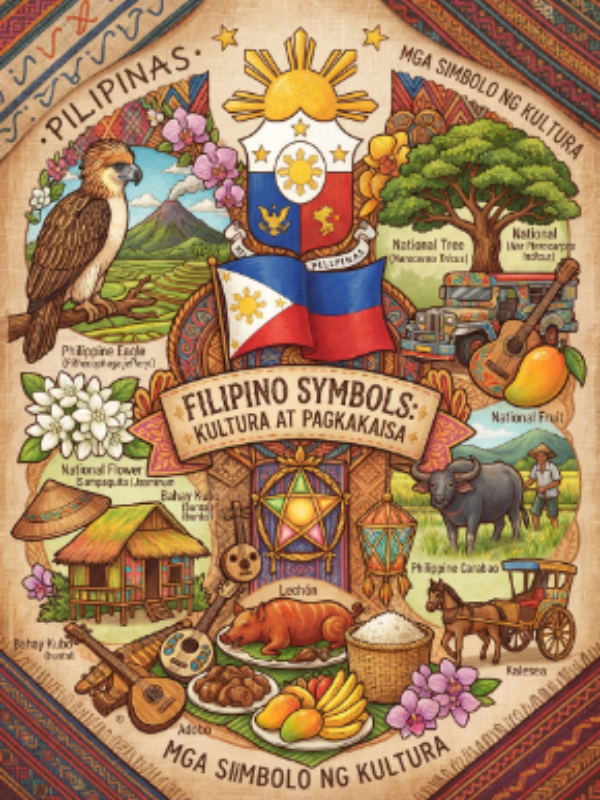
- Filipino symbols in art, movies, and pop culture reflect renewed pride in heritage among younger generations today.
- Baybayin script frequently appears in tattoos, streetwear, and album covers celebrating cultural identity.
- Traditional weaving patterns inspire contemporary fashion designers blending heritage with modern aesthetics.
- Philippine cinema often features symbols like the kubo to represent rural authenticity.
- Sarimanok imagery appears in murals and digital art celebrating southern Filipino heritage.
- Jeepney imagery frequently appears in pop art, representing resourcefulness and national identity.
- Filipino superheroes in comics often incorporate traditional symbols into their costume designs.
- Music videos increasingly feature indigenous tattoos and weaving to celebrate cultural roots.
- Animated films sometimes reference mythical creatures rooted in pre-colonial Filipino folklore.
- Contemporary painters reinterpret ancestral spirit figures within modern abstract artistic styles.
- Fashion runways showcase Tagalog reimagined with contemporary cuts and materials.
- Video games occasionally feature Philippine mythology, introducing symbols to global audiences.
- Social media trends celebrate Baybayin tattoos as expressions of cultural pride online.
- Documentaries increasingly explore indigenous symbols, educating audiences about pre-colonial heritage.
- These pop culture appearances help preserve and modernize traditional Filipino symbolic meaning.
Spiritual And Dream Meaning Of Filipino Symbols
- Spiritual and dream meaning of Filipino symbols often connects to ancestral belief systems and folk interpretation.
- Dreaming of the sun traditionally symbolizes upcoming clarity, hope, or positive life changes.
- Dreaming of water often symbolizes emotional cleansing or upcoming significant life transitions.
- Serpent dreams traditionally symbolize hidden wisdom or warnings requiring careful personal attention.
- Dreaming of mountains symbolizes upcoming challenges requiring patience and sustained personal effort.
- Bird symbolism in dreams often represents incoming messages or spiritual guidance received.
- Fire dreams traditionally symbolize transformation, purification, or significant upcoming personal change.
- Dreaming of ancestors symbolizes spiritual guidance or unresolved matters requiring attention.
- Storm dreams traditionally symbolize emotional turmoil or upcoming difficult life circumstances.
- Dreaming of the carabao symbolizes hard work paying off through patience and effort.
- Star dreams traditionally symbolize hope, guidance, or clarity during uncertain times.
- Dreaming of woven textiles symbolizes strengthening family or community relationships ahead.
- Spiritual practitioners often interpret these dream symbols within broader folk belief traditions.
- Many Filipinos still consult elders for guidance interpreting symbolic and spiritual dreams.
- These spiritual and dream meanings reflect enduring folk belief woven into daily life.
Positive Vs Negative Meaning
- Positive vs negative meaning within Filipino symbols often depends on context, orientation, or specific cultural interpretation.
- The sun generally carries positive meaning, though excessive heat can symbolize hardship or struggle.
- Water carries positive meaning as life-giving, yet floods symbolize destruction and negative loss.
- Fire carries positive meaning through purification, yet uncontrolled fire symbolizes danger and destruction.
- Serpents carry positive meaning as wise guardians, yet also symbolize deception in some contexts.
- Storms carry negative meaning through destruction, yet also symbolize eventual communal renewal positively.
- Mountains generally carry positive meaning as stability, though isolation can suggest negative loneliness.
- Birds carry positive meaning as messengers, though certain birds symbolize negative omens traditionally.
- Inverted or broken symbols often shift positive meanings into warnings or negative interpretations.
- Color changes within symbols can shift meaning, with darker tones suggesting negative connotations.
- Context within storytelling often determines whether a symbol carries positive or negative weight.
- Cultural regions also influence interpretation, with some communities reading symbols differently entirely.
- Modern reinterpretation sometimes reclaims traditionally negative symbols with more positive contemporary meaning.
- Understanding both sides helps avoid oversimplifying the complexity within Filipino symbolic tradition.
- Recognizing this duality reveals how symbols reflect life’s balance between hardship and hope.
Why Humans Are Attracted To Filipino Symbols
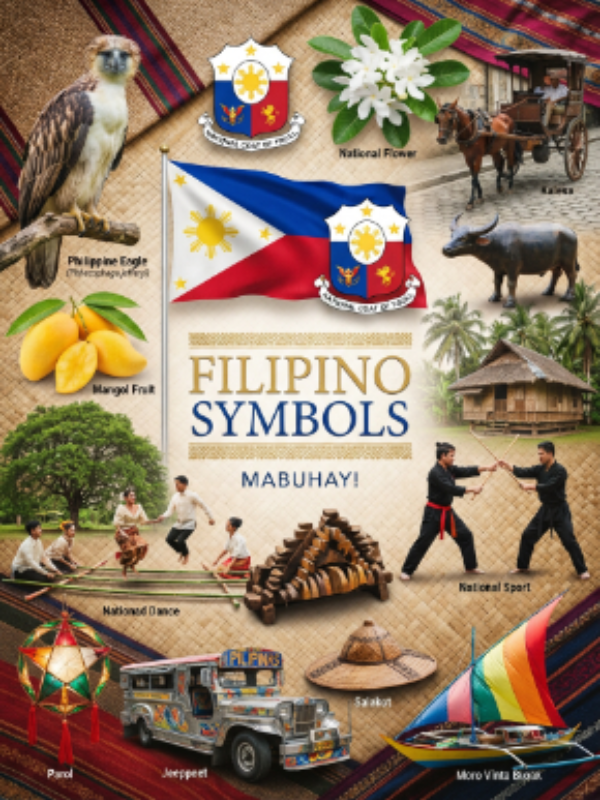
- Why humans are attracted to Filipino symbols relates to deep universal desires for meaning, identity, and connection.
- Symbols offer visual shortcuts, conveying complex cultural values without requiring lengthy verbal explanation.
- People are drawn to symbols representing resilience, finding personal inspiration within historical struggle.
- Filipino symbols connect individuals to ancestral heritage, satisfying a desire for belonging.
- Tattoo culture attracts people seeking permanent, meaningful connection to cultural identity.
- Symbols offer psychological comfort, providing protective meaning during uncertain or difficult times.
- Younger generations are attracted to symbols as a way of reclaiming suppressed heritage.
- Global audiences find Filipino symbols visually striking, sparking curiosity about deeper meaning.
- Symbols provide community identity, helping individuals feel connected to shared cultural history.
- People are attracted to symbols representing family, reflecting universal values around kinship.
- Spiritual symbols attract those seeking guidance, comfort, or protection during personal struggle.
- Artistic beauty within Filipino symbols attracts appreciation independent of deeper cultural meaning.
- Symbols offer storytelling potential, allowing individuals to express personal narratives visually.
- Cultural pride motivates many Filipinos to actively seek out and display these symbols.
- Ultimately, humans are attracted to symbols because they connect emotion, identity, and shared history.
FAQs About Filipino Symbols
What is the most important Filipino national symbol?
The Philippine flag is widely considered the most important national symbol, representing unity, sacrifice, and independence.
What does the sun on the Philippine flag mean?
The sun represents the eight provinces that first revolted against Spanish colonial rule for freedom.
What is Baybayin and why is it significant?
Baybayin is the pre-colonial Filipino writing system, now revived as a symbol of indigenous cultural pride.
What animal represents Filipino culture?
The carabao is widely recognized as representing hard work, patience, and rural Filipino agricultural life.
What is the national flower of the Philippines?
Sampaguita is the national flower, symbolizing purity, simplicity, and deep love for the homeland.
What does bayanihan mean?
Bayanihan represents communal cooperation, traditionally shown through neighbors helping carry a house together.
Conclusion
Filipino symbols are more than pretty designs. They hold pieces of history that many people forget over time. Each shape, color, or carving once meant something real to someone’s life. Some protected families. Others marked courage, faith, or deep respect for ancestors. Together, they tell the story of a resilient and creative people. Now that you know their meanings, they feel a little less mysterious.
Next time you see these symbols, take a second look. Notice the sun on a flag or a pattern on woven cloth. Think about the tribes, families, and believers who came before us. These symbols survived wars, colonization, and centuries of change. They still speak quietly today, if we take the time to listen. Their meanings remind us that culture never truly disappears, it just waits to be noticed.
