
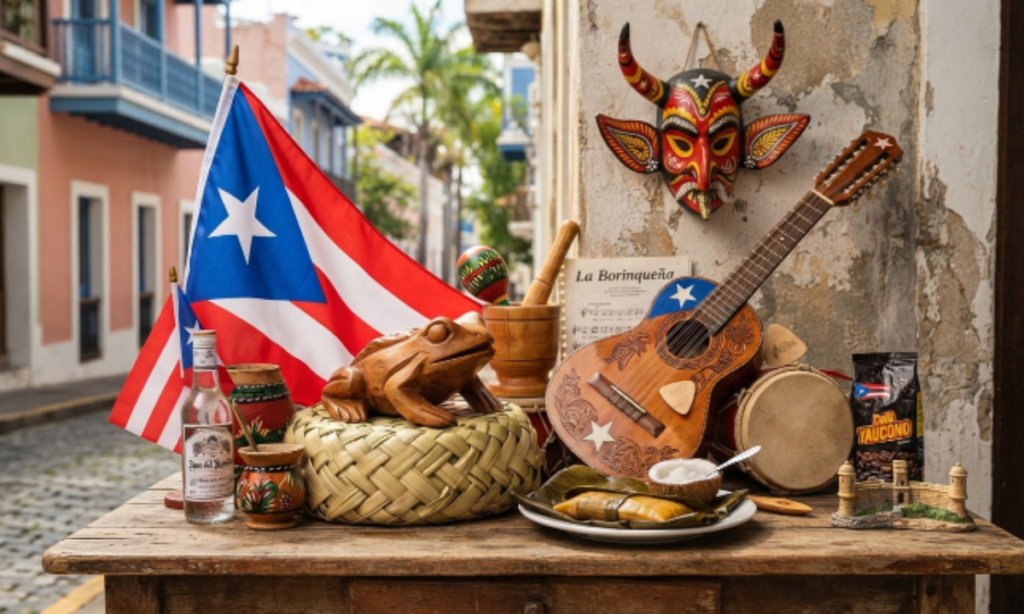
Puerto Rico is more than just beautiful beaches and warm weather. It’s a place rich with history, culture, and deep national pride. Every symbol connected to this island tells a story worth knowing. From flags to flowers, each item carries meaning passed down through generations. These symbols reflect the island’s struggles, resilience, and vibrant spirit. Understanding them helps you truly appreciate what makes Puerto Rico so special.
That’s why we’ve gathered over 50 symbols that reveal the island’s true soul. You’ll find symbols tied to nature, history, food, and everyday island life. Some are widely known, while others hold quiet, personal significance to locals. Each one offers a small window into Puerto Rican identity and pride. Whether you’re visiting, studying, or simply curious, this list has something for you. These symbols capture the heart of an island that’s proud of where it comes from.
What Are Puerto Rican Symbols?
- Puerto Rican symbols are images, objects, or traditions that represent the island’s history, culture, and national identity closely.
- These symbols include flags, flowers, animals, and traditions passed down through generations of Puerto Rican families and communities.
- Some symbols are officially recognized by the government, while others grow naturally from everyday island life and traditions.
- Symbols like the coquí frog or the flag carry emotional weight tied directly to Puerto Rican pride and belonging.Puerto Rican Symbols
- Understanding these symbols helps outsiders appreciate the deeper meaning behind Puerto Rico’s culture, history, and resilient island spirit.
- Many symbols originated from the island’s Taino roots, blending indigenous history with Spanish and African cultural influences.
- Puerto Rican symbols often appear in art, music, clothing, and celebrations, keeping traditions alive across every generation today.
- These symbols aren’t just decorative, they represent survival, identity, and pride shaped by centuries of island history.
- Locals often display these symbols during holidays, parades, and family gatherings to celebrate their shared cultural heritage.
- Some symbols represent nature, like native plants and animals, while others represent historical struggles and eventual independence movements.
- Puerto Rican symbols connect people across generations, linking modern islanders to ancestors who shaped the island’s rich history.
- Tourists often learn about these symbols to better understand the culture behind Puerto Rico’s food, music, and festivals.
- Each symbol tells a unique story, whether it’s about resistance, resilience, celebration, or simple everyday island living.
- Puerto Ricans living abroad often use these symbols to stay connected to their roots and cultural identity.Puerto Rican Symbols
- These symbols appear on flags, clothing, tattoos, and artwork, keeping Puerto Rican pride visible in everyday modern life.
- Learning about these symbols offers insight into the island’s complex history, including colonization, resistance, and cultural preservation.
- Symbols like the flor de maga or the Puerto Rican flag hold deep emotional and historical significance for locals.
- Many symbols blend indigenous Taino imagery with Spanish colonial influence, creating a truly unique island cultural identity.
- Puerto Rican symbols continue evolving, with newer generations adding modern meaning to traditional and historical island imagery.
- Whether official or informal, these symbols represent the island’s true soul, pride, and unbreakable cultural spirit.Puerto Rican Symbols
Puerto Rican Symbols And Their Cultural Meanings
- The Puerto Rican flag represents freedom, unity, and the island’s long journey toward political and cultural identity.
- The coquí frog symbolizes home and belonging, its distinct sound deeply tied to Puerto Rican childhood memories.
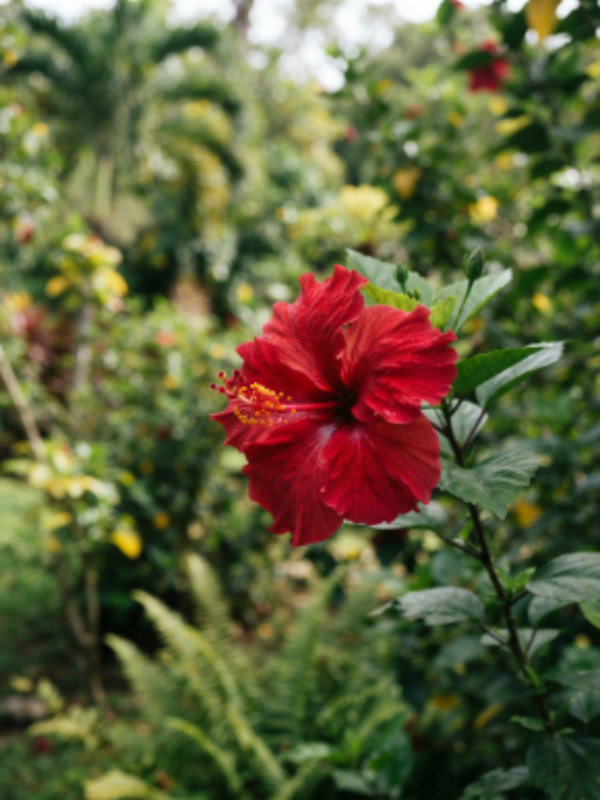
- The flor de maga, the national flower, represents natural beauty and resilience found throughout the island’s landscape.
- The pava, a traditional straw hat, symbolizes hard work and the island’s agricultural farming history and heritage.Puerto Rican Symbols
- The ceiba tree represents strength and endurance, often considered sacred by both Taino ancestors and modern islanders.
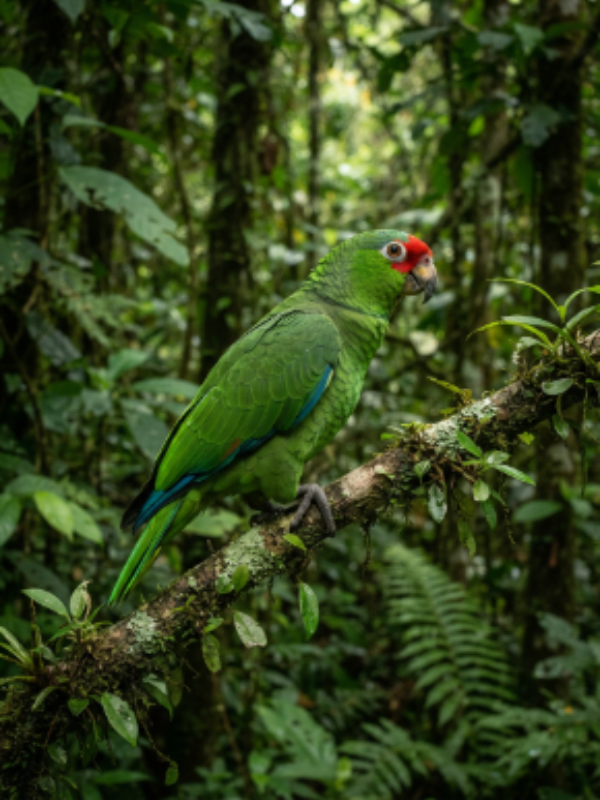
- The Puerto Rican parrot symbolizes conservation efforts, representing hope for protecting the island’s endangered native wildlife.
- Bomba and plena music symbolize African heritage and resistance, blending rhythm with storytelling and cultural celebration.
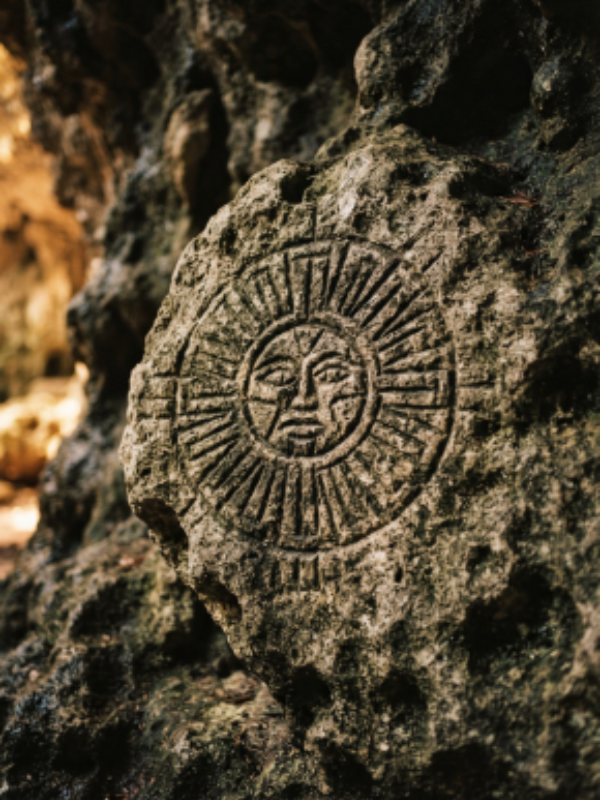
- The taíno sun symbol represents life, energy, and the island’s deep indigenous roots and ancestral connection.Puerto Rican Symbols
- The reinita mora, the national bird, symbolizes freedom and the island’s diverse and vibrant natural ecosystem.
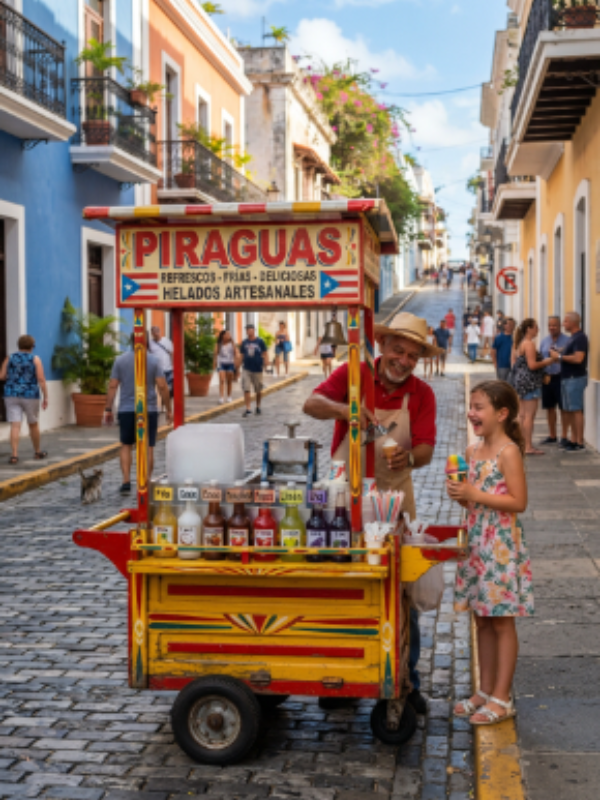
- Piraguas, flavored ice treats, symbolize simple island joys and childhood memories shared across generations of families.
- The three-cornered hat symbolizes historical Spanish colonial influence still visible in Puerto Rican cultural traditions today.
- The trencito de coquí represents playful island storytelling passed down through generations of Puerto Rican children.
- The mangoes and native fruits symbolize agricultural abundance and the island’s deep connection to natural resources.
- Salsa music symbolizes celebration and community, bringing Puerto Ricans together during festivals and everyday social gatherings.
- The maracas symbolize musical tradition, representing rhythm deeply rooted in Puerto Rican folk and celebratory music.
- The Puerto Rican cemi symbolizes spiritual protection, originating from ancient Taino beliefs and indigenous religious practices.
- Plantains symbolize comfort food and cultural identity, appearing in nearly every traditional Puerto Rican family meal.
- The Puerto Rican star symbolizes hope and guidance, often appearing in flags, artwork, and cultural celebrations.Puerto Rican Symbols
- The palm tree symbolizes tropical island life, representing relaxation, natural beauty, and coastal Puerto Rican culture.
- Together, these symbols represent a cultural identity shaped by resilience, celebration, indigenous roots, and community pride.
Puerto Rico Symbols And Meanings
- The flag’s blue triangle represents the sky and coastal waters surrounding the beautiful Puerto Rican island landscape.
- The single white star symbolizes the Commonwealth of Puerto Rico and its unique political and cultural identity.
- Red stripes on the flag represent the blood shed by those who fought for independence and freedom.
- White stripes symbolize individual rights and freedom, values deeply important to Puerto Rican political history.Puerto Rican Symbols
- The coquí’s small size represents resilience, proving something small can still leave a lasting cultural impact.
- The ceiba tree’s massive roots symbolize strength, stability, and deep connection to Puerto Rican ancestral land.
- The flor de maga’s bright red petals symbolize passion, beauty, and the island’s vibrant tropical landscape.
- The pava hat symbolizes humility and hard work, honoring farmers who shaped the island’s early economy.
- Bomba drums symbolize resistance, originally used by enslaved Africans to communicate and preserve cultural identity.
- The Puerto Rican parrot symbolizes hope for conservation, as efforts continue protecting this endangered native species.
- Taino petroglyphs symbolize ancient storytelling, preserving indigenous history through carved stone artwork found across the island.
- The three kings symbolize generosity and tradition, central to Puerto Rico’s beloved Three Kings Day celebrations.
- Sugar cane fields symbolize the island’s agricultural past, shaping much of its early colonial economy and history.
- The Puerto Rican rooster symbolizes pride and vigilance, often appearing in folklore and traditional island artwork.
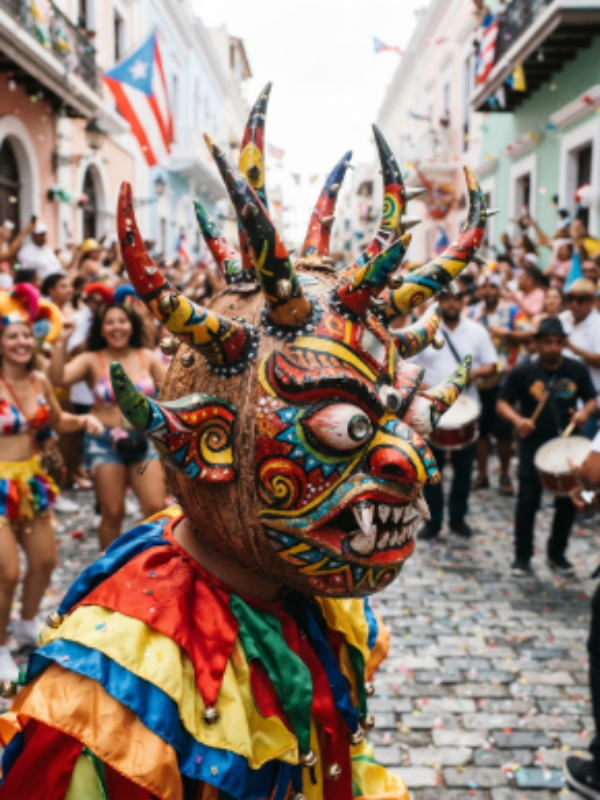
- Handmade masks symbolize festival spirit, blending African, Spanish, and Taino artistic traditions together beautifully.
- The Puerto Rican guitar, or cuatro, symbolizes musical heritage central to traditional folk and celebratory music.
- Ocean waves symbolize the island’s deep connection to fishing, trade, and coastal community life throughout history.
- Mountains symbolize resilience, representing the rugged, beautiful interior landscape found throughout central Puerto Rico.
- The sun symbolizes warmth and energy, central to daily island life and traditional indigenous beliefs.
- Together, these symbols and meanings reflect Puerto Rico’s rich blend of history, nature, and cultural pride.
Puerto Rican Symbols Tattoos
- The coquí frog is one of the most popular tattoo choices, symbolizing home and Puerto Rican identity.
- The Puerto Rican flag tattoo represents pride, often combined with other symbols for personal, meaningful designs.
- Taino sun symbols are popular tattoo choices, representing ancestral connection and indigenous cultural heritage.
- The flor de maga flower makes a beautiful tattoo, symbolizing natural beauty and island resilience.
- Ceiba tree tattoos symbolize strength and stability, often chosen to represent family roots and heritage.
- The Puerto Rican star tattoo symbolizes hope, frequently paired with flags or geographic island outlines.Puerto Rican Symbols
- Coquí and palm tree combination tattoos represent both home and tropical island lifestyle together.
- Taino cemi symbols make meaningful tattoos, representing spiritual protection rooted in ancient indigenous beliefs.
- Map outline tattoos of Puerto Rico symbolize pride, often including hometown names or family details.
- Vejigante mask tattoos symbolize festival culture, representing vibrant celebration and artistic island tradition.
- Bomba drum tattoos symbolize resistance and rhythm, honoring African heritage within Puerto Rican culture.
- Rooster tattoos symbolize pride and folklore, often combined with traditional Puerto Rican colors and patterns.
- Ocean wave tattoos symbolize coastal life, representing the island’s deep connection to fishing and sea.
- Mountain range tattoos symbolize resilience, representing Puerto Rico’s rugged and beautiful natural landscape.
- Sun and star combination tattoos symbolize hope and energy, popular among Puerto Rican youth today.
- Taino petroglyph tattoos symbolize ancestral storytelling, preserving indigenous history through modern permanent artwork.
- Family name tattoos combined with Puerto Rican symbols represent both heritage and personal family pride.
- Guitar or cuatro tattoos symbolize musical tradition, honoring Puerto Rico’s folk music heritage.
- Palm tree and sunset tattoos symbolize island relaxation, representing tropical beauty and coastal lifestyle.
- These tattoos allow Puerto Ricans worldwide to carry their heritage and pride permanently on their skin.
Taino Symbols And Meanings
- The Taino sun symbol represents life, energy, and the indigenous people’s deep connection to nature.Puerto Rican Symbols
- The Taino frog symbol, similar to the coquí, represents fertility, rain, and natural abundance.
- The Taino sea turtle symbol represents longevity, protection, and a strong connection to ocean life.
- Cemi figures represent spiritual guardians, believed to protect Taino communities from harm and misfortune.
- The Taino spiral symbol represents the cycle of life, death, and spiritual rebirth in nature.
- Taino petroglyphs, carved into stone, represent storytelling and historical record-keeping for future generations.
- The Taino bat symbol represents transition, often associated with spiritual journeys between different life stages.
- Taino pottery symbols represent daily life, agriculture, and community traditions passed through generations.
- The Taino star symbol represents guidance, often used for navigation and spiritual direction purposes.
- Taino face carvings represent ancestral spirits, believed to watch over families and their communities.
- The Taino water symbol represents purification, life sustenance, and connection to rivers and oceans.
- Taino agricultural symbols represent cassava and corn, staple crops central to indigenous survival.
- The Taino owl symbol represents wisdom, often associated with nighttime spiritual guidance and protection.
- Taino ceremonial masks represent transformation, used during rituals connecting community members to their ancestors.
- The Taino coquí symbol represents home, comfort, and deep connection to island identity.
- Taino shell symbols represent trade, wealth, and connection to coastal indigenous community life.
- The Taino fire symbol represents transformation, warmth, and community gathering during important ceremonies.
- Taino mountain symbols represent stability, often associated with sacred and spiritually significant locations.
- The Taino wind symbol represents change, movement, and connection to weather and natural cycles.Puerto Rican Symbols
- These symbols collectively represent the indigenous roots still influencing modern Puerto Rican culture today.
Puerto Rican Symbols Copy And Paste
- 🐸 The coquí frog emoji represents Puerto Rican identity, often used in social media captions and messages.
- 🇵🇷 The Puerto Rican flag emoji is commonly used to express pride, heritage, and cultural connection online.
- 🌺 The hibiscus flower emoji is often used to represent the flor de maga’s tropical beauty.Puerto Rican Symbols
- 🌴 The palm tree emoji represents island life, often paired with beach or vacation-related social posts.
- ☀️ The sun emoji represents warmth and energy, commonly used alongside Puerto Rican cultural references online.
- 🎵 The music note emoji represents salsa, bomba, and plena, genres central to Puerto Rican culture.
- 🥁 The drum emoji represents bomba music, symbolizing rhythm and African heritage within island culture.
- ⭐ The star emoji represents hope, often paired with the Puerto Rican flag in social captions.
- 🌊 The wave emoji represents ocean life, commonly used to reference Puerto Rico’s beautiful coastline.
- 🦜 The parrot emoji represents the endangered Puerto Rican parrot, often used in conservation messaging.
- These symbols, when copied and pasted, allow people to express Puerto Rican pride quickly online.
- Combining emojis like 🐸🇵🇷🌺 creates a quick visual representation of Puerto Rican culture and identity.
- Many Puerto Ricans use these copy-paste symbols in bios, captions, and messages to show pride.
- Text-based symbols are popular for quick sharing across platforms like Instagram, Twitter, and Facebook.
- These symbols make it easy to express cultural identity without needing lengthy written explanations.
- Copy-paste symbols are especially popular among younger generations expressing pride through digital platforms.
- Combining the flag emoji with music notes represents both national pride and cultural celebration.
- These small digital symbols carry big cultural meaning, even in short online messages.
- Many diaspora Puerto Ricans use these symbols to stay connected to their island roots online.Puerto Rican Symbols
- Copy-paste symbols offer a quick, visual, and modern way to celebrate Puerto Rican heritage daily.
Puerto Rico Taino Symbols
- Taino symbols found throughout Puerto Rico represent the island’s earliest indigenous cultural and spiritual traditions.
- Petroglyphs carved into caves and rocks represent ancient Taino storytelling still visible across the island today.
- The Taino sun symbol remains one of Puerto Rico’s most recognized indigenous cultural representations today.
- Cemi figures found in museums represent Taino spiritual beliefs still studied and respected by modern islanders.
- Taino pottery designs represent daily life, agriculture, and community structure within ancient island settlements.
- The Taino frog symbol closely resembles the modern coquí, linking ancient and contemporary island culture.
- Ceremonial plazas built by the Taino represent early community gathering spaces still studied by historians.
- Taino agricultural symbols represent cassava farming, a staple crop central to indigenous island survival.
- The Taino spiral symbol represents life cycles, still referenced in modern Puerto Rican artwork today.
- Cave paintings throughout the island represent Taino spiritual beliefs and connection to natural surroundings.
- Taino symbols often appear in modern jewelry, representing pride in the island’s indigenous ancestry.
- The Taino star symbol represents navigation, historically used for travel and spiritual direction purposes.
- Museums across Puerto Rico display Taino artifacts, preserving indigenous history for future generations.Puerto Rican Symbols
- Taino symbols influence modern Puerto Rican art, blending ancient tradition with contemporary artistic expression.
- The Taino water symbol represents purification, still referenced in modern spiritual and cultural practices.
- Archaeological sites throughout Puerto Rico preserve Taino symbols, offering insight into indigenous daily life.
- Taino ceremonial masks represent transformation, occasionally referenced in modern festival costumes and artwork.
- The Taino owl symbol represents wisdom, occasionally used in modern Puerto Rican artistic designs.
- Taino symbols remain an important part of Puerto Rico’s cultural education and historical preservation efforts.
- These ancient symbols continue shaping modern Puerto Rican identity, pride, and cultural understanding today.
Puerto Rico Taino Symbols Tattoos
- Taino sun tattoos represent ancestral connection, popular among those honoring their indigenous island heritage.
- Cemi figure tattoos represent spiritual protection, chosen by those seeking meaningful ancestral symbolism.
- Taino frog tattoos represent fertility and nature, closely linked to the modern coquí symbol.
- Spiral symbol tattoos represent life cycles, popular for their deep spiritual and cultural meaning.
- Taino petroglyph tattoos represent storytelling, preserving ancient history through modern permanent body art.
- Sea turtle tattoos represent longevity, chosen for their connection to Taino coastal traditions.
- Taino star tattoos represent guidance, often combined with other indigenous symbols for deeper meaning.
- Owl tattoos represent wisdom, occasionally chosen to honor Taino spiritual and nighttime beliefs.
- Water symbol tattoos represent purification, connecting wearers to Taino beliefs about rivers and oceans.
- Taino mask tattoos represent transformation, often chosen for their bold and meaningful visual design.
- Fire symbol tattoos represent transformation and community, honoring Taino ceremonial traditions and gatherings.
- Wind symbol tattoos represent change, chosen by those embracing personal growth and transformation.
- Combining Taino symbols with modern designs creates unique tattoos blending ancient and contemporary style.
- Many choose black-and-grey styles for Taino tattoos, honoring the traditional stone carving aesthetic.Puerto Rican Symbols
- Taino tattoos often include geometric patterns, reflecting the artistic style found in ancient petroglyphs.
- These tattoos allow wearers to honor indigenous ancestry while expressing personal identity and pride.
- Taino tattoo designs are increasingly popular among younger Puerto Ricans reconnecting with indigenous roots.
- Combining Taino symbols with the Puerto Rican flag creates tattoos representing both ancient and modern identity.
- Tattoo artists specializing in Taino designs often research historical accuracy for authentic symbolic representation.
- These tattoos serve as permanent tributes to Puerto Rico’s earliest indigenous cultural and spiritual history.
Famous Symbols That Represent Puerto Rico
- The Puerto Rican flag is perhaps the most famous symbol, representing national pride and identity worldwide.
- The coquí frog is internationally recognized, often mentioned whenever people discuss Puerto Rican culture.
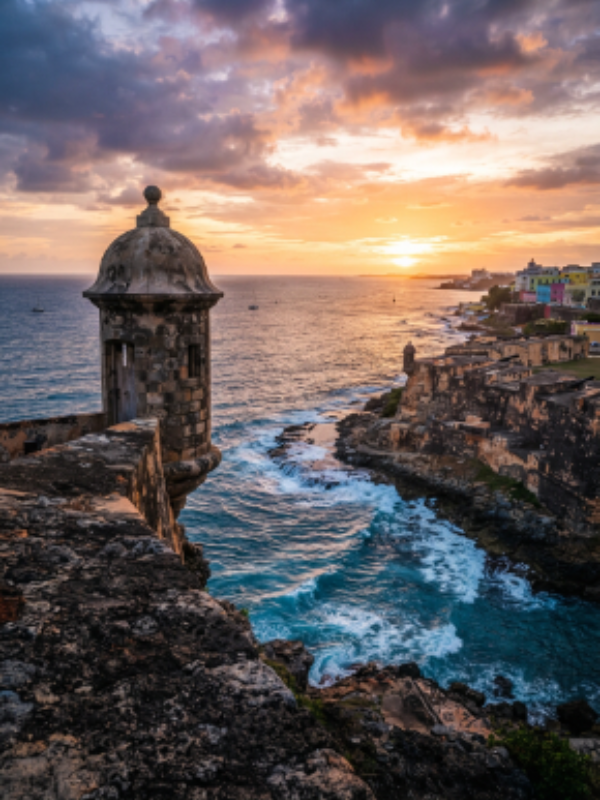
- El Morro fortress represents historical resilience, standing as a famous landmark throughout Puerto Rican history.
- The flor de maga flower is famously recognized as Puerto Rico’s official and beloved national flower.Puerto Rican Symbols
- Salsa music is famously associated with Puerto Rico, representing rhythm, celebration, and cultural pride.
- The Puerto Rican parrot is famously known as an endangered species central to conservation efforts.
- Piraguas are famously recognized as a beloved Puerto Rican street treat enjoyed during summer months.
- Bomba and plena music are famously known for representing African heritage within Puerto Rican culture.
- The pava hat is famously associated with Puerto Rico’s agricultural history and hardworking farming communities.
- Old San Juan is famously recognized for its colorful buildings representing colonial Puerto Rican architecture.
- The Puerto Rican cuatro guitar is famously known as a central instrument in traditional folk music.Puerto Rican Symbols
- Mofongo is famously recognized as one of Puerto Rico’s most beloved traditional food symbols.
- The Puerto Rican star is famously featured on flags, artwork, and various cultural celebrations.
- Reggaeton music is famously associated with modern Puerto Rican culture, gaining massive global popularity.
- The ceiba tree is famously recognized as a symbol of strength throughout Puerto Rican folklore.
- Three Kings Day is famously celebrated as one of Puerto Rico’s most beloved holiday traditions.
- The Puerto Rican rooster is famously associated with pride, vigilance, and traditional island folklore.
- Vejigante masks are famously recognized during festivals, representing vibrant Puerto Rican celebration culture.
- The Puerto Rican Day Parade is famously celebrated worldwide, representing diaspora pride and unity.
- These famous symbols collectively represent Puerto Rico’s rich culture, history, and worldwide recognition.
Traditional Puerto Rico Symbols And National Identity
- Traditional symbols like the flag and flower represent official expressions of Puerto Rican national identity.
- The pava hat represents traditional agricultural identity, honoring farmers who shaped the island’s early economy.
- Bomba music represents traditional African heritage, remaining central to Puerto Rican national cultural identity.
- The ceiba tree represents traditional strength, often referenced in national folklore and cultural storytelling.
- Traditional Taino symbols represent indigenous roots still honored within modern Puerto Rican national identity.
- The coquí frog represents traditional national pride, symbolizing home for Puerto Ricans everywhere.Puerto Rican Symbols
- Traditional food symbols like mofongo represent culinary identity central to Puerto Rican national pride.
- The Puerto Rican star represents traditional hope, frequently appearing in national flags and artwork.
- Traditional festivals like Three Kings Day represent national identity through shared cultural celebration.
- The flor de maga represents traditional natural beauty, officially recognized as the national flower.
- Traditional music genres like plena represent storytelling central to Puerto Rican national cultural identity.
- The Puerto Rican parrot represents traditional conservation values tied to national environmental identity.
- Traditional clothing patterns often incorporate national symbols, representing cultural pride through everyday fashion.
- The Puerto Rican flag represents traditional political identity, symbolizing the island’s journey toward autonomy.
- Traditional dance forms represent national identity, preserving cultural movement passed through generations.
- The rooster represents traditional folklore, remaining a recognizable symbol of Puerto Rican national pride.
- Traditional craftsmanship, like handmade masks, represents artistic expression tied to national cultural identity.
- The cuatro guitar represents traditional musical identity, central to Puerto Rico’s national folk heritage.
- Traditional agricultural symbols represent the island’s historical economy and its impact on national identity.
- Together, these traditional symbols form the foundation of Puerto Rico’s strong national cultural identity.
Things That Represent Puerto Rico
- Beaches represent Puerto Rico’s natural beauty, drawing visitors to its stunning coastal landscapes yearly.
- Mountains represent the island’s rugged interior, offering hiking trails and breathtaking natural scenery.
- Music represents Puerto Rico’s vibrant culture, with salsa, reggaeton, and bomba shaping island identity.
- Food represents Puerto Rican tradition, with dishes like mofongo and arroz con gandules beloved island-wide.
- Festivals represent community celebration, bringing Puerto Ricans together throughout the year for shared joy.
- Old San Juan represents historical architecture, showcasing colorful buildings and centuries-old colonial history.
- The coquí frog represents home, its familiar sound deeply tied to Puerto Rican identity.Puerto Rican Symbols
- Rainforests like El Yunque represent natural biodiversity, unique to Puerto Rico’s tropical ecosystem.
- Baseball represents national pastime, with Puerto Rico producing many talented professional athletes over decades.
- Handicrafts represent artistic tradition, showcasing skilled craftsmanship passed through Puerto Rican generations.
- The flag represents political identity, symbolizing pride and the island’s unique cultural status.Puerto Rican Symbols
- Coffee represents agricultural heritage, with Puerto Rican coffee farms producing beloved local products.
- Dance represents cultural expression, with traditional and modern styles blending throughout island celebrations.
- Art represents creative identity, with murals and paintings reflecting Puerto Rican history and pride.
- Language represents cultural heritage, blending Spanish influence with unique Puerto Rican expressions and slang.
- Religion represents spiritual tradition, with Catholicism deeply influencing island customs and celebrations.
- Sports represent community pride, uniting Puerto Ricans through shared passion for competitive athletics.
- Fashion represents modern identity, blending traditional patterns with contemporary Puerto Rican style trends.
- Literature represents storytelling tradition, preserving Puerto Rican history through written cultural expression.
- Together, these elements represent the diverse, vibrant, and proud identity of Puerto Rico.
Puerto Rico Symbols And Meanings
- The flag’s colors represent freedom, sacrifice, and hope tied to Puerto Rico’s political history.
- The coquí represents resilience, proving something small can carry significant cultural meaning and pride.
- The flor de maga represents beauty, officially recognized as the island’s national flower symbol.Puerto Rican Symbols
- The pava hat represents hard work, honoring the agricultural roots of Puerto Rican history.
- The ceiba tree represents strength, considered sacred by both indigenous and modern islanders.
- The Puerto Rican parrot represents hope, symbolizing ongoing conservation efforts for endangered wildlife.
- Bomba music represents resistance, historically used by enslaved Africans to preserve cultural identity.
- The Taino sun represents life, connecting modern islanders to ancient indigenous spiritual beliefs.
- The reinita mora represents freedom, recognized officially as Puerto Rico’s national bird.
- Piraguas represent simple joy, a beloved treat tied to childhood memories across generations.
- The three-cornered hat represents colonial history, still referenced in traditional cultural clothing.
- Salsa music represents celebration, bringing communities together during festivals and everyday gatherings.
- The cemi symbol represents protection, rooted deeply in ancient Taino spiritual traditions.Puerto Rican Symbols
- Plantains represent comfort, appearing in nearly every traditional Puerto Rican family meal.
- The star represents hope and guidance, frequently appearing throughout flags and artwork.
- Palm trees represent tropical beauty, symbolizing relaxation and coastal Puerto Rican lifestyle.
- Mountains represent resilience, reflecting the rugged natural beauty found across the island.
- The sun represents warmth and energy, central to both daily life and tradition.
- Ocean waves represent connection, tying the island closely to fishing and trade history.
- Together, these symbols and meanings reflect Puerto Rico’s deep cultural and historical roots.
Puerto Rico National Symbols
- The Puerto Rican flag is the island’s most recognized official national symbol worldwide.
- The flor de maga is officially recognized as Puerto Rico’s national flower symbol.
- The reinita mora is officially recognized as Puerto Rico’s national bird symbol.
- The ceiba tree is unofficially recognized as a national symbol of strength and endurance.
- The coquí frog, while not official, is widely considered an unofficial national symbol.
- The Puerto Rican coat of arms represents official governmental and historical national identity.
- The national anthem represents pride, sung during official ceremonies and important national events.
- Government buildings often display national symbols, reinforcing Puerto Rico’s official cultural identity.
- National holidays celebrate symbols tied to independence, culture, and historical significance island-wide.
- The national seal represents official governmental authority, used on important legal documents.
- Puerto Rico’s national colors, red, white, and blue, appear throughout official government symbols.
- National monuments represent historical events, preserving Puerto Rico’s journey toward political identity.
- The national motto reflects values important to Puerto Rican governmental and cultural identity.
- Official currency once used on the island represented economic and political national identity.
- National museums preserve symbols representing Puerto Rico’s history, culture, and indigenous heritage.
- The national flower and bird are taught in schools, reinforcing cultural identity early.
- Government ceremonies often incorporate national symbols, reinforcing their importance to Puerto Rican identity.
- National symbols appear on official uniforms, representing pride within government and public service.
- Tourism campaigns often highlight national symbols, promoting Puerto Rico’s unique cultural identity abroad.
- These national symbols collectively represent Puerto Rico’s official cultural and political identity.
Puerto Rico Symbol
- The Puerto Rican flag remains the island’s single most recognized and meaningful symbol overall.
- This symbol represents unity, freedom, and the island’s complex political and cultural history.
- The flag’s design includes stripes and a star, each carrying specific historical meaning.
- This symbol is displayed during celebrations, protests, and everyday expressions of national pride.
- The flag appears on clothing, artwork, and homes throughout Puerto Rico and its diaspora.
- This symbol represents resilience, reflecting the island’s long journey toward political self-identity.
- The flag is often paired with other symbols, like the coquí, in artistic representations.
- This symbol carries emotional weight, especially during national holidays and significant cultural events.
- The flag represents both local pride and connection to broader Puerto Rican diaspora communities.
- This symbol has evolved slightly over history, though its core meaning remains consistent.
- The flag is taught in schools, ensuring younger generations understand its historical significance.
- This symbol appears in murals, tattoos, and fashion, representing modern expressions of pride.
- The flag represents solidarity, especially during times of hardship or natural disaster recovery.
- This symbol is respected internationally, recognized as representing Puerto Rican culture and identity.
- The flag’s colors carry meaning tied to sacrifice, freedom, and hope for the future.
- This symbol unites Puerto Ricans worldwide, regardless of where they currently live or work.
- The flag is prominently displayed during the annual Puerto Rican Day Parade celebrations.
- This symbol represents more than politics, reflecting deep cultural pride and shared identity.
- The flag continues inspiring artists, musicians, and writers exploring Puerto Rican identity themes.
- This symbol remains central to how Puerto Ricans express pride, unity, and belonging.
Deep Symbolic Meaning
- Many Puerto Rican symbols carry meaning beyond their surface appearance, reflecting deeper cultural values.
- The coquí’s meaning goes beyond sound, representing resilience and belonging tied to home.
- The ceiba tree’s deep roots symbolize stability, connecting generations through shared ancestral history.
- The flag’s colors carry symbolic weight tied to sacrifice, hope, and political freedom.
- Taino symbols carry spiritual meaning, connecting modern islanders to ancient indigenous beliefs.
- The flor de maga’s beauty symbolizes resilience, thriving despite challenging tropical growing conditions.
- Bomba music’s rhythm carries symbolic meaning tied to resistance and cultural preservation efforts.
- The star symbolizes guidance, representing hope during difficult periods of Puerto Rican history.
- The sun symbol carries spiritual meaning, representing life and energy within Taino belief systems.
- The pava hat symbolizes humility, representing respect for agricultural labor and working communities.
- Ocean symbolism represents connection, tying Puerto Rico to trade, fishing, and coastal identity.
- The rooster’s symbolism represents vigilance, reflecting folklore tied to protection and awareness.
- Mountain symbolism represents resilience, reflecting the island’s rugged and enduring natural landscape.
- Water symbolism represents purification, tied to both Taino beliefs and everyday island life.
- Fire symbolism represents transformation, historically tied to Taino ceremonial and community gatherings.
- The spiral symbol represents life cycles, reflecting deeper spiritual beliefs about existence.
- Mask symbolism represents transformation, tied to festival traditions and cultural celebration.
- Symbolic meanings often blend indigenous, African, and Spanish influences into unique interpretations.
- These deeper meanings help explain why certain symbols remain emotionally significant to islanders.
- Understanding symbolic depth offers greater appreciation for Puerto Rico’s rich cultural traditions.
Types and Variations of Puerto Rican Symbols
- National symbols include the flag, flower, and bird, officially representing Puerto Rican identity.
- Cultural symbols include music, food, and dance, representing everyday Puerto Rican traditions.
- Indigenous symbols include Taino imagery, representing the island’s earliest ancestral history.
- Historical symbols include forts and monuments, representing Puerto Rico’s colonial and political past.
- Natural symbols include native plants and animals, representing the island’s unique biodiversity.
- Religious symbols include saints and crosses, representing Puerto Rico’s strong Catholic influence.
- Artistic symbols include murals and crafts, representing creative cultural expression island-wide.
- Modern symbols include reggaeton and pop culture references, representing evolving Puerto Rican identity.
- Regional symbols vary slightly across different towns, representing local pride and unique traditions.
- Diaspora symbols represent Puerto Ricans living abroad, maintaining cultural connection to their island roots.
- Culinary symbols include traditional dishes, representing shared family recipes and cultural heritage.
- Fashion symbols include traditional patterns, representing pride through clothing and everyday style.
- Sports symbols include baseball and boxing, representing national pride through athletic achievement.
- Musical symbols vary by genre, representing different eras and influences within island culture.
- Political symbols represent ongoing debates about Puerto Rico’s status and future identity.
- Spiritual symbols blend religious and indigenous beliefs, representing diverse island spiritual practices.
- Seasonal symbols appear during specific holidays, representing celebration tied to particular times of year.
- Family symbols often include personal traditions, representing unique interpretations of shared culture.
- Environmental symbols represent conservation efforts, protecting the island’s natural resources and wildlife.
- These varied symbol types together represent the full complexity of Puerto Rican identity.
Puerto Rican Symbols Across Cultures
- Puerto Rican symbols often blend with Spanish, African, and indigenous cultural influences together.
- The Puerto Rican diaspora shares these symbols with other cultures throughout the United States.
- Cross-cultural celebrations often incorporate Puerto Rican symbols alongside other Latin American traditions.
- Music genres like salsa share cultural roots with other Caribbean and Latin musical traditions.
- Food symbols like mofongo share similarities with dishes found throughout the Caribbean region.
- Religious symbols blend Catholic traditions with African and indigenous spiritual practices uniquely.
- Language symbols reflect blended influences, combining Spanish with unique Puerto Rican expressions.
- Festival traditions share similarities with other Caribbean cultures while remaining distinctly Puerto Rican.
- Art styles often blend indigenous, African, and European influences into unique cultural expressions.
- Dance traditions share rhythmic roots with other Afro-Caribbean cultural dance styles and traditions.
- Clothing patterns sometimes reflect shared Caribbean influences while maintaining unique Puerto Rican identity.
- Puerto Rican symbols influence and are influenced by other Latin American cultural traditions.
- Shared history with Spain connects Puerto Rican symbols to broader Hispanic cultural traditions.
- African heritage symbols connect Puerto Rico to broader diaspora communities throughout the Americas.
- Indigenous Taino symbols connect Puerto Rico to other Caribbean islands with shared ancestral roots.
- Modern globalization introduces new cultural influences, blending with traditional Puerto Rican symbolism.
- Puerto Rican symbols appear in multicultural celebrations, representing diversity within broader communities.
- Cross-cultural exchange continues shaping how Puerto Rican symbols evolve within modern society.
- These shared influences demonstrate how culture connects Puerto Rico to broader global communities.
- Understanding these connections offers deeper appreciation for Puerto Rico’s rich cultural blending.
Puerto Rican Symbols in Art, Movies and Pop Culture
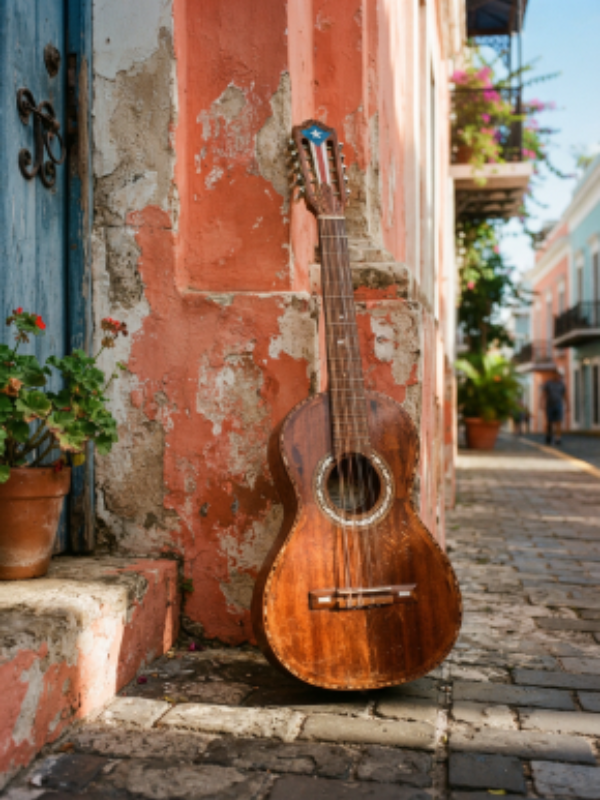
- Puerto Rican symbols frequently appear in murals throughout San Juan, representing cultural pride visually.
- Films like “West Side Story” incorporate Puerto Rican cultural symbols within their storytelling.
- Reggaeton artists often incorporate flag imagery and cultural symbols within music videos.
- Puerto Rican painters frequently use Taino symbols, blending ancient history with modern artistic expression.
- Pop culture references often highlight the coquí, introducing the symbol to wider audiences.
- Television shows occasionally feature Puerto Rican festivals, showcasing cultural symbols to broader viewers.
- Fashion designers incorporate traditional patterns, bringing Puerto Rican symbolism into modern clothing lines.
- Social media influencers often showcase Puerto Rican symbols, sharing cultural pride with followers.
- Street art throughout Puerto Rico frequently depicts historical and cultural symbols creatively.
- Documentaries about Puerto Rico often explore the meaning behind important cultural symbols.
- Music videos frequently showcase the Puerto Rican flag, representing pride within pop culture.
- Celebrity endorsements sometimes highlight Puerto Rican symbols, increasing global cultural visibility.
- Video games occasionally reference Puerto Rican culture, introducing symbols to gaming audiences.
- Book covers and literature sometimes incorporate symbolic imagery representing Puerto Rican identity.
- Advertising campaigns occasionally use Puerto Rican symbols to appeal to cultural pride.
- Sports uniforms sometimes incorporate national symbols, representing pride during international competitions.
- Museums exhibit Puerto Rican art, preserving symbolic cultural representation for public education.
- Pop culture continues introducing Puerto Rican symbols to increasingly global and diverse audiences.
- Artistic reinterpretation keeps traditional symbols relevant within modern creative and cultural contexts.
- These appearances in art and media help preserve and share Puerto Rican cultural identity.
Spiritual and Dream Meaning of Puerto Rican Symbols
- Dreaming of the coquí may represent longing for home, comfort, or cultural belonging.
- The Taino sun symbol carries spiritual meaning tied to life, energy, and renewal.
- Dreaming of the ceiba tree may symbolize stability, strength, or ancestral connection.
- Spiritual practices sometimes incorporate cemi figures, representing protection from negative energy.
- Dreaming of ocean waves may represent emotional cleansing or connection to ancestral roots.
- The spiral symbol carries spiritual meaning representing life cycles and personal transformation.
- Dreaming of the flag may represent pride, belonging, or connection to cultural identity.
- Fire symbolism carries spiritual meaning representing transformation and community connection.
- Dreaming of mountains may symbolize resilience, obstacles, or personal spiritual growth.
- Water symbolism carries spiritual meaning tied to purification and emotional healing.
- Dreaming of the sun may represent clarity, energy, or spiritual awakening.
- The frog symbol carries spiritual meaning representing transformation and natural cycles.
- Dreaming of birds, like the reinita mora, may symbolize freedom or new beginnings.
- Spiritual traditions sometimes incorporate ancestral symbols during meditation or reflection practices.
- Dreaming of stars may represent guidance, hope, or spiritual direction during difficult times.
- The mask symbol carries spiritual meaning representing transformation and cultural celebration.
- Dreaming of trees may symbolize growth, stability, or connection to family roots.
- Spiritual interpretations vary, blending indigenous, African, and Catholic influences uniquely.
- Dreaming of traditional symbols may reflect subconscious connections to cultural heritage.
- These spiritual interpretations offer personal meaning beyond the symbols’ historical significance.
Positive vs Negative Meaning
- The coquí generally carries positive meaning, representing home, comfort, and cultural belonging.
- The flag carries mostly positive meaning, though political debates sometimes create differing interpretations.
- The ceiba tree carries positive meaning, symbolizing strength, though some view it as intimidating.
- Bomba music carries a positive meaning representing resistance, though it originated from painful history.
- The rooster carries a positive meaning representing pride, though sometimes associated with aggression.
- Fire symbolism carries a positive meaning representing transformation, though it can also represent destruction.
- The spiral symbol carries positive meaning representing growth, though it can also represent confusion.
- Water symbolism carries mostly positive meaning, though it can also represent overwhelming emotion.
- The mask symbol carries positive festival meaning, though it can also represent hidden identity.
- Mountain symbolism carries positive meaning representing resilience, though it can suggest difficult obstacles.
- The sun symbol carries mostly positive meaning, though excessive heat can suggest hardship.
- Historical symbols sometimes carry mixed meaning, representing both resilience and painful colonial history.
- The star symbol carries positive meaning representing hope, rarely interpreted negatively by islanders.
- Ocean symbolism carries positive meaning representing connection, though it can suggest distance or separation.
- Political symbols sometimes carry divided meaning, depending on personal beliefs about island status.
- Most nature-based symbols carry overwhelmingly positive interpretations throughout Puerto Rican culture.
- Symbols tied to colonization sometimes carry complicated meaning, blending pride with painful history.
- Modern reinterpretation often shifts negative historical symbols toward more positive contemporary meaning.
- Personal interpretation varies, meaning symbols can carry different weight for different individuals.
- Understanding both positive and negative interpretations offers a fuller picture of symbolic meaning.
Why Humans Are Attracted to Puerto Rican Symbols
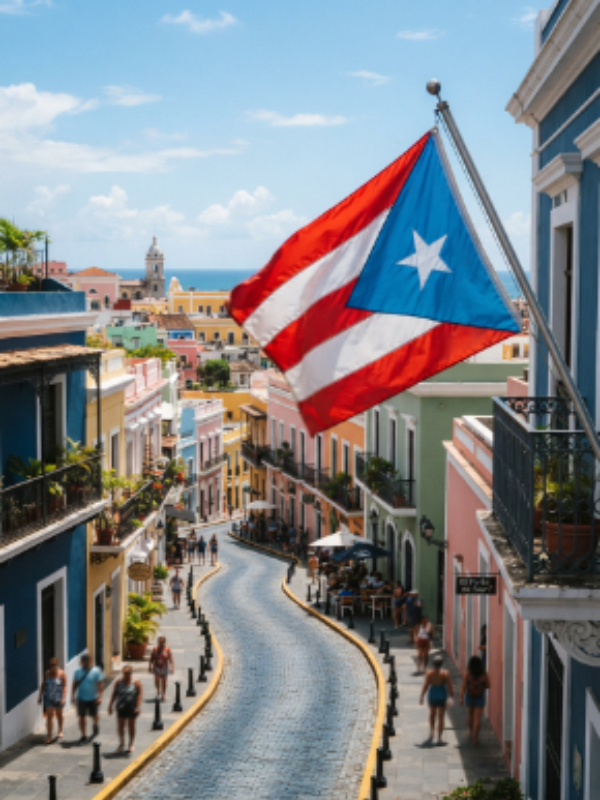
- People are drawn to these symbols because they represent authentic, deeply rooted cultural identity.
- Symbols like the coquí attract attention through their unique sound and relatable meaning.
- Humans connect with symbols that represent resilience, especially given Puerto Rico’s complex history.
- Bright, colorful symbols like the flor de maga naturally attract visual attention and admiration.
- People are drawn to symbols representing music, since rhythm creates immediate emotional connection.
- Symbols tied to nature attract people seeking connection to authentic, unspoiled natural beauty.
- Humans are drawn to symbols representing community, since belonging is a universal human desire.
- Historical symbols attract those interested in learning about resilience and cultural survival stories.
- Symbols representing celebration naturally attract people drawn to joy, music, and community gathering.
- People connect with indigenous symbols, seeking deeper understanding of ancestral human history.
- Symbols tied to food attract people through shared universal appreciation for culinary tradition.
- Humans are drawn to symbols with visual beauty, like flowers and vibrant artistic imagery.
- Symbols representing freedom attract people who value independence and self-determined cultural identity.
- People connect with symbols representing family, since heritage often ties closely to belonging.
- Symbols with spiritual meaning attract those seeking deeper personal or cultural connection.
- Humans are naturally curious about symbols representing unfamiliar or unique cultural traditions.
- Symbols tied to resistance attract those inspired by stories of strength and perseverance.
- People are drawn to symbols they can personally relate to, regardless of cultural background.
- Social media increases attraction to symbols, making cultural imagery more visible and shareable.
- Ultimately, humans connect with these symbols because they represent authentic pride and belonging.
FAQs About Puerto Rican Symbols
What is the national symbol of Puerto Rico?
The Puerto Rican flag and the flor de maga flower are widely recognized national symbols of the island.
What does the coquí symbolize?
The coquí frog symbolizes home, comfort, and a deep sense of belonging for Puerto Ricans everywhere.
Are Taino symbols still used today?
Yes, Taino symbols like the sun and cemi figures remain popular in art, tattoos, and cultural expression.
What is Puerto Rico’s national bird?
The reinita mora is officially recognized as Puerto Rico’s national bird symbol.
Why is the ceiba tree important?
The ceiba tree symbolizes strength and stability, considered sacred by both Taino ancestors and modern islanders.
Can I get a Puerto Rican symbol tattoo?
Yes, symbols like the coquí, flag, and Taino sun are popular and meaningful tattoo choices.
What flower represents Puerto Rico?
The flor de maga is officially recognized as Puerto Rico’s national flower.
Conclusion
Weddings are moments filled with hope, love, and new beginnings for two people. Finding the right words to celebrate that moment isn’t always easy for everyone. This collection of 130+ blessings, prayers, and wishes gives you plenty of thoughtful options. Whether you need something short for a card or heartfelt for a toast, you’ll find it here. Every message reflects genuine care for the couple’s happiness and future together. Words like these often become part of the couple’s cherished wedding memories.
Next time you attend a wedding, use this list to express your feelings clearly and warmly. Choose a message that fits your relationship with the couple and the occasion itself. A heartfelt blessing can mean more to a couple than an expensive gift ever could. These wishes work well for cards, speeches, texts, or simple face-to-face conversations. Keep this collection saved for every wedding invitation you receive in the future. A few sincere words today can leave a lasting impression for years to come.
