
Sanskrit is one of the oldest languages in the world. It carries deep wisdom from ancient India. Many symbols come from this sacred language. Each symbol holds a special meaning. People use them for peace and strength. Some symbols even bring good luck and positive energy.
These symbols are not just pretty designs. They connect us to spirituality and inner growth. Many people use them in yoga and meditation. Others wear them as tattoos or jewelry. Each symbol can inspire hope, love, or courage. In this list, you will discover over 90 powerful Sanskrit symbols that can truly change your life.
What Are Sanskrit Symbols?
- Sanskrit symbols are ancient visual signs that carry deep spiritual and cultural meaning from India.
- They come from one of the oldest languages known to humans.
- Each symbol often represents a sound, a word, or an idea found in scripture.
- These signs appear in temples, texts, and sacred rituals across many centuries.
- People use them to express devotion, protection, and inner peace in daily life.
- Some symbols represent gods, while others represent universal concepts like truth or balance.
- Artists and monks have carved these symbols into stone, wood, and metal for generations.
- Today, many people wear them as jewelry or get them inked as tattoos.
- Understanding a symbol helps you connect with its true spiritual purpose and history.
- Each shape or letter is chosen carefully and never placed without deeper reasoning.
- Learning their meaning can guide personal growth, meditation practice, and emotional healing.
- Many yoga studios also use these symbols to create a calm and sacred atmosphere.
- Sanskrit symbols remind us of ancient wisdom passed down through many generations of teachers.
- They act as a bridge between the modern world and ancient spiritual traditions.
- Some symbols are simple lines, while others are complex and detailed drawings.
- Every symbol tells a story that connects to Hindu, Buddhist, or Vedic philosophy.
- Wearing or displaying these symbols can serve as a daily reminder of one’s values.
- In short, Sanskrit symbols are more than art; they are living pieces of history.
Ancient Sanskrit Symbols And Their Spiritual Meanings
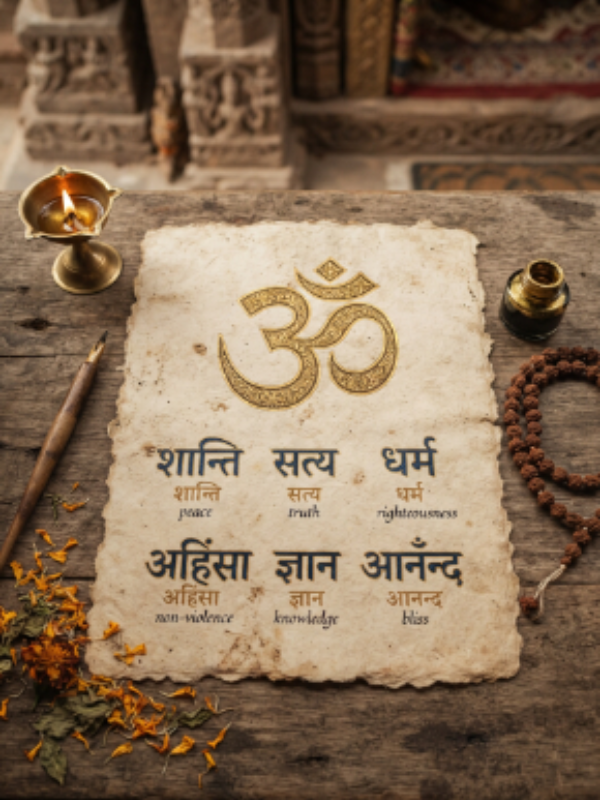
- Ancient Sanskrit symbols hold spiritual power that has lasted for thousands of years across cultures.
- These symbols were first used by sages and scholars to express sacred and philosophical ideas.
- Many of them appear in the Vedas, the oldest religious texts known in India.
- Each symbol was designed to represent a deeper truth about life, death, and the universe.
- People believed these symbols could bring protection, wisdom, and a stronger spiritual connection.
- Some symbols are linked directly to gods and goddesses worshipped in Hindu tradition.
- Others represent abstract ideas such as eternity, energy, and the cycle of rebirth.
- Monks and priests used these symbols during rituals to invite positive and divine energy.
- Over time, these symbols spread beyond India into Buddhist and Jain spiritual practices as well.
- Today, people still study these ancient signs to understand their original spiritual purpose.
- Many practitioners believe that meditating on these symbols can calm the mind and spirit.
- The symbols are often painted, carved, or drawn using sacred geometry and precise patterns.
- Each line and curve in a symbol usually has intentional meaning behind its design.
- Ancient Sanskrit symbols continue to inspire modern spiritual seekers looking for deeper life meaning.
- They remind us that wisdom from thousands of years ago still holds relevance today.
- Many people incorporate these symbols into home decor to invite peace and positive energy.
- Scholars continue to study these signs to better understand ancient Indian civilization and beliefs.
- These symbols also appear in classical Indian art, dance, and sacred architecture.
- Their spiritual value has helped preserve Indian culture and philosophy for future generations.
Sanskrit Symbols And Meanings
- Sanskrit symbols and their meanings often relate to peace, strength, protection, love, or spiritual awakening.
- Each symbol usually comes from a specific word or sacred sound used in scripture.
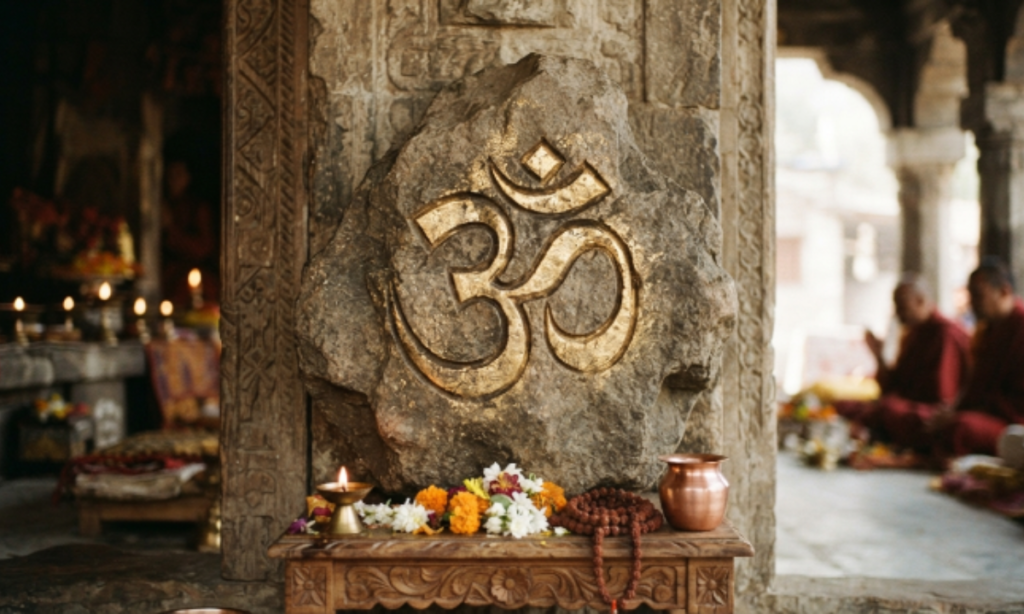
- Om is one of the most recognized symbols, representing the sound of the universe itself.
- Other symbols represent chakras, energy centers believed to control emotional and physical wellbeing.
- Some symbols stand for courage, while others symbolize wisdom, truth, or eternal life.
- Many people choose a symbol based on what quality they want to attract.
- Understanding the meaning helps ensure the symbol is used with proper respect and purpose.
- These meanings often connect to Hindu mythology, gods, and ancient philosophical teachings.
- People frequently research symbol meanings before getting a tattoo or wearing jewelry.
- Correct interpretation avoids cultural misunderstanding and honors the symbol’s original significance and Ashish.
- Many symbols also appear in mantras chanted during meditation and prayer sessions.
- Their sound and shape are believed to carry vibrational energy that affects the mind.
- Some symbols are associated with specific deities like Ganesha, Shiva, or Lakshmi.
- Others represent universal ideas such as infinity, unity, and spiritual enlightenment.
- Knowing these meanings can deepen one’s personal spiritual practice and daily mindfulness.
- Many yoga teachers explain these meanings to students during classes and workshops.
- This knowledge helps students connect physical movement with spiritual intention and awareness.
- Sanskrit symbol meanings continue to attract global interest from spiritual seekers everywhere.
- They offer a simple way to express complex spiritual ideas through visual art.
Buddhist Sanskrit Symbols And Meanings

- Buddhist Sanskrit symbols often represent enlightenment, compassion, and the path toward inner peace.
- Many of these symbols originated in ancient India before spreading across Asia.
- The lotus flower is a common symbol representing purity rising above difficulty and suffering.
- The dharma wheel represents the Buddhist path and teachings shared by the Buddha.
- Om Mani Padme Hum is a well-known mantra used in Buddhist meditation practice.
- Each syllable in this mantra is believed to purify a different negative emotion.
- The Bodhi leaf symbolizes the tree under which Buddha reached enlightenment and wisdom.
- Many Buddhist symbols also represent compassion, patience, and freedom from suffering and desire.
- These symbols appear in temples, prayer flags, and traditional Buddhist artwork worldwide.
- Practitioners use them during meditation to focus the mind and deepen spiritual awareness.
- Some symbols represent the endless cycle of birth, death, and rebirth in life.
- Others symbolize protection from negative energy and harmful spiritual influences.
- Buddhist monks often chant these symbols as part of daily spiritual rituals.
- The symbols help practitioners remember important teachings about kindness and mindful living.
- Many people wear these symbols to stay connected to Buddhist values throughout the day.
- These signs also appear on statues, malas, and traditional Buddhist clothing items.
- Understanding their meaning adds depth to yoga and meditation practices influenced by Buddhism.
- Each symbol serves as a visual reminder of the path toward true enlightenment.
Ancient Sanskrit Symbols
- Ancient Sanskrit symbols date back thousands of years to early Indian civilization and scripture.
- These symbols were created to express spiritual, philosophical, and cosmic ideas visually and clearly.
- Many appear in the earliest Hindu texts, including the Rigveda and other Vedic scriptures.
- Sages used symbols to simplify complex spiritual teachings into easy visual representations for followers.
- Some ancient symbols represent elements like fire, water, air, earth, and space itself.
- Others symbolize time, eternity, and the endless cycle of creation and destruction.
- These symbols were often carved into temple walls, pillars, and sacred stone structures.
- Artists used precise geometry to ensure each symbol carried accurate spiritual meaning and balance.
- Many ancient symbols are still used today in rituals, ceremonies, and daily worship practices.
- Historians study these symbols to better understand ancient Indian beliefs and daily life.
- Some symbols were reserved only for priests and used during important religious ceremonies.
- Others were common and used by ordinary people for protection and good fortune.
- These ancient signs also influenced art, architecture, and design across South Asia.
- Their lasting presence shows how powerful and meaningful these symbols were to ancient people.
- Even today, modern spiritual practitioners look to these symbols for guidance and inspiration.
- They connect the present generation with wisdom passed down from ancient teachers.
- Many ancient Sanskrit symbols remain unchanged in meaning despite passing through thousands of years.
Sanskrit Symbol For Life

- The Sanskrit symbol for life often represents energy, breath, and the soul’s continuous journey.
- Many cultures use symbols to express the value and fragility of human existence.
- One common symbol used for life is connected to prana, meaning vital life force.
- This symbol reminds people that breath and energy sustain both body and spirit.
- Some symbols for life also represent growth, much like a flower blooming slowly.
- Others focus on the cycle of birth, death, and rebirth found in Hindu belief.
- People often choose this symbol as a tattoo to celebrate survival or personal transformation.
- It can also represent gratitude for life’s journey, including both joy and hardship.
- Wearing this symbol serves as a daily reminder to appreciate every present moment fully.
- Many spiritual teachers use this symbol during meditation to focus on life energy.
- The symbol encourages mindfulness and awareness of the present instead of worry.
- Some people use it after overcoming illness, loss, or major life challenges.
- It can also symbolize hope for a new beginning or fresh start ahead.
- Artists often combine this symbol with lotus flowers or sacred geometric patterns.
- This combination adds deeper meaning related to purity and spiritual awakening as well.
- The Sanskrit symbol for life continues to inspire people seeking strength and renewal.
- It stands as a powerful reminder that life itself is sacred and precious.
Sanskrit Symbols For Breathe
- Sanskrit symbols for breathing often connect to prana, the ancient concept of vital life energy.
- Breath is considered essential to both physical health and spiritual awareness in Indian tradition.
- Many yoga practices focus on breath control as a path to inner peace.
- The symbol for breathe reminds practitioners to stay present and calm during stressful moments.
- It often appears in yoga studios as a visual cue for mindful breathing.
- Some people get this symbol tattooed after struggling with anxiety or panic attacks.
- It serves as a reminder to pause, breathe deeply, and regain emotional control.
- The symbol connects to pranayama, a yogic practice focused on controlled breathing exercises.
- Many spiritual teachers believe breath connects the body directly to universal life energy.
- This symbol encourages people to slow down and appreciate each breath they take.
- It can also represent resilience, especially for those recovering from illness or trauma.
- Wearing or displaying this symbol promotes daily mindfulness and stress reduction naturally.
- Some designs combine the breathe symbol with lotus flowers or gentle wave patterns.
- These additions represent calmness, flow, and a peaceful state of mind and body.
- The symbol is popular among meditation practitioners and mental health awareness communities today.
- It offers a simple visual reminder that breathing mindfully can improve overall wellbeing.
- Many people find comfort in this symbol during difficult or overwhelming emotional periods.
Popular Sanskrit Symbols In Tattoos And Modern Design
- Sanskrit symbols have become extremely popular in modern tattoo art around the world today.
- Many people choose these symbols because of their deep spiritual and cultural meaning.
- Tattoo artists often recommend researching a symbol’s true meaning before permanent placement on skin.
- Popular choices include Om, lotus flowers, and symbols representing peace, strength, or love.
- These designs are often placed on the wrist, back, or shoulder for visibility.
- Modern designers also use Sanskrit symbols in fashion, jewelry, and home decor products.
- Their elegant curves and shapes make them visually appealing beyond spiritual meaning alone.
- Many celebrities have popularized these tattoos, increasing global interest in Sanskrit symbolism.
- Some people combine multiple symbols to represent personal values or life experiences uniquely.
- Others choose a single meaningful word written in traditional Sanskrit script instead.
- Tattoo placement often depends on the symbol’s meaning and personal significance to the wearer.
- Many people consult spiritual teachers or Sanskrit scholars before finalizing their tattoo design.
- This ensures the symbol is used respectfully and represents its intended meaning correctly.
- Modern minimalist tattoo styles have also increased the popularity of simple Sanskrit symbols.
- These small, elegant designs fit easily on fingers, wrists, or behind the ear.
- Sanskrit symbols in modern design blend ancient wisdom with contemporary artistic expression beautifully.
- This trend continues growing as more people seek meaningful, spiritual body art.
- Ultimately, these symbols allow people to carry ancient wisdom with them every day.
Sanskrit Symbols Tattoos
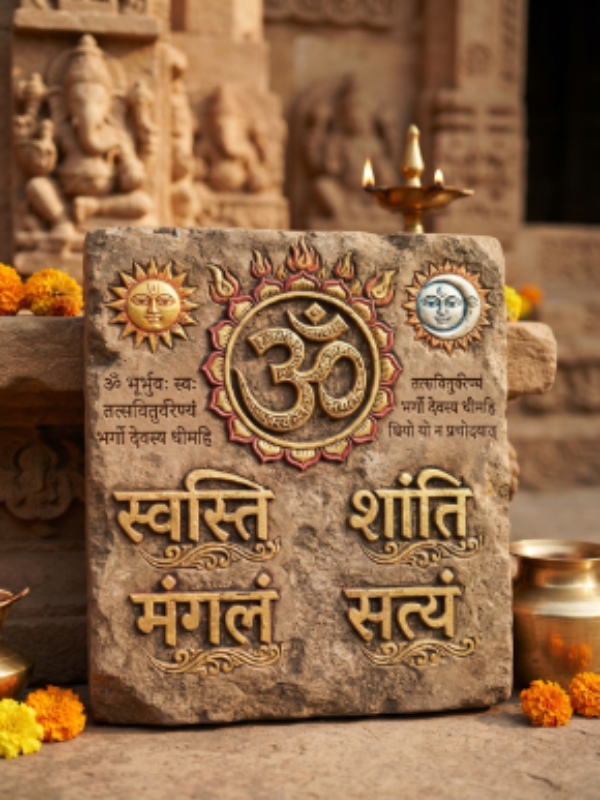
- Sanskrit symbol tattoos are chosen for their spiritual depth and elegant visual design.
- Many people select symbols representing strength, peace, love, or personal transformation and growth.
- Om is one of the most requested tattoo symbols due to its powerful meaning.
- Lotus flower tattoos often represent purity and rising above life’s difficulties gracefully.
- Some people choose tattoos representing chakras to symbolize balance and inner energy flow.
- Others prefer tattoos of protective symbols believed to guard against negative energy.
- Tattoo placement often matters, with wrists and forearms being popular visible locations.
- Some people choose more private placements for personal or spiritual reasons instead.
- It is important to verify translation accuracy before committing to a permanent tattoo.
- Many tattoo mistakes happen due to incorrect translation or improper symbol usage online.
- Consulting a Sanskrit expert helps ensure the tattoo carries its intended true meaning.
- These tattoos often serve as personal reminders of strength during difficult life periods.
- Some people get matching tattoos with family members to represent shared spiritual values.
- Sanskrit tattoos continue to grow in popularity among yoga and meditation communities worldwide.
Sanskrit Symbols And Meanings Tattoos
- Sanskrit tattoos with clear meanings help people express personal beliefs through lasting body art.
- Many choose symbols representing courage, healing, or spiritual awakening after major life changes.
- The meaning behind each symbol often influences its placement and overall tattoo design.
- Some symbols represent protection, making them popular choices for those seeking inner safety.
- Others symbolize love, often chosen by couples or as tributes to family members.
- Understanding these meanings ensures the tattoo reflects genuine personal or spiritual significance.
- Many people research extensively before choosing a symbol to avoid cultural misrepresentation.
- Tattoo artists experienced in Sanskrit script can help ensure accurate character formation.
- Small errors in Sanskrit script can completely change or distort the intended meaning.
- This makes verification through trusted sources extremely important before getting inked permanently.
- Some meaningful tattoo choices include symbols for gratitude, resilience, and inner peace.
- These tattoos often become deeply personal, representing a story or life journey.
- People frequently share the meaning behind their tattoo to inspire others spiritually.
- Overall, Sanskrit tattoos with meaning combine artistic beauty with deep personal significance.
Spiritual Sanskrit Symbols
- Spiritual Sanskrit symbols are used to represent divine energy, inner peace, and higher consciousness.
- Many symbols connect directly to Hindu deities, mantras, and sacred spiritual teachings.
- Om is considered the most sacred symbol, representing the sound of the universe.
- Other symbols represent chakras, believed to control emotional and spiritual energy flow.
- Some symbols are used during meditation to help focus the mind deeply.
- Others are worn as protection against negative energy or harmful spiritual influences.
- Spiritual seekers often use these symbols to strengthen their personal meditation practice daily.
- Many symbols also represent enlightenment, encouraging practitioners to seek higher spiritual understanding.
- These symbols appear frequently in yoga studios, temples, and personal sacred spaces.
- People often display them at home to create a peaceful, spiritual environment.
- Some symbols are chanted as mantras, believed to carry powerful vibrational energy.
- Spiritual teachers use these symbols to guide students through emotional and spiritual healing.
- Many symbols also represent unity between the individual soul and universal consciousness.
- Wearing spiritual Sanskrit symbols serves as a constant reminder of one’s spiritual path.
Sanskrit Symbols Text
- Sanskrit symbol text refers to words or phrases written using traditional Sanskrit script.
- Many people choose meaningful words like peace, love, strength, or gratitude for tattoos.
- This script uses the Devanagari alphabet, known for its unique curved letter shapes.
- Each character must be written correctly to preserve the intended meaning accurately.
- Small mistakes in spacing or characters can completely change the word’s meaning.
- Many people use Sanskrit text in jewelry, wall art, and personal accessories today.
- This text style adds an elegant, spiritual touch to modern designs and products.
- Some people write personal mantras in Sanskrit text to use during meditation.
- Others choose short phrases representing important life values or spiritual beliefs.
- Verifying translation accuracy is essential before using Sanskrit text in permanent designs.
- Many online translators provide inaccurate results, leading to common tattoo and design mistakes.
- Consulting native speakers or Sanskrit scholars ensures accurate and respectful use of text.
- Sanskrit text continues to inspire modern art, fashion, and personal spiritual expression.
- This ancient script remains a beautiful way to convey deep, meaningful messages visually.
Symbols Of Sanskrit
- Symbols of Sanskrit represent a wide range of spiritual, philosophical, and cultural ideas visually.
- These symbols come from ancient scripture, mythology, and traditional Hindu religious practices.
- Many symbols represent gods, goddesses, or divine qualities like wisdom and strength.
- Others symbolize universal concepts such as balance, unity, and eternal life cycles.
- Some symbols are geometric, using precise shapes to represent spiritual and cosmic order.
- These designs often appear in temple architecture, religious art, and sacred rituals.
- Many symbols also represent elements like fire, water, earth, air, and space itself.
- Understanding these symbols helps people connect with ancient Indian spiritual traditions deeply.
- Each symbol carries specific meaning, often tied to mantras or spiritual teachings.
- People use these symbols in meditation, yoga, and daily spiritual practice worldwide today.
- Some symbols are considered protective, believed to guard against negative energy.
- Others represent personal growth, encouraging reflection and continuous spiritual development over time.
- These symbols continue to influence modern art, fashion, and spiritual practices globally.
- Their timeless beauty and meaning make them popular among spiritual seekers everywhere.
Sanskrit Symbols Meaning
- Sanskrit symbols’ meaning refers to the deeper spiritual or philosophical idea behind each design.
- Every symbol usually connects to a specific word, sound, or ancient teaching.
- Some symbols represent peace, while others symbolize strength, protection, or spiritual awakening.
- Understanding these meanings helps ensure symbols are used respectfully and appropriately in daily life.
- Many people research symbol meanings before choosing tattoos, jewelry, or home decor items.
- This helps avoid cultural misunderstanding and honors the symbol’s true spiritual purpose.
- Some meanings are tied directly to Hindu gods, goddesses, or sacred mythology.
- Others represent universal ideas like balance, unity, or the cycle of life.
- Many spiritual teachers explain these meanings during yoga classes and meditation sessions.
- This helps students connect physical practice with deeper spiritual intention and awareness.
- Knowing a symbol’s meaning adds personal significance to how it is used daily.
- Many people choose symbols that reflect their current life journey or challenges.
- These meanings continue to attract global interest from people seeking spiritual connection.
- Sanskrit symbol meanings offer a simple way to express complex spiritual ideas visually.
Sanskrit Symbol For Balance
- The Sanskrit symbol for balance often represents harmony between mind, body, and spirit.
- Many people seek this symbol during times of stress or major life change.
- It reminds practitioners to stay centered despite external chaos or emotional difficulty.
- This symbol is popular among yoga practitioners focused on physical and mental balance.
- Some designs combine balance symbols with lotus flowers or geometric mandala patterns.
- These additions represent harmony, growth, and a peaceful, centered state of mind.
- Many people choose this symbol as a tattoo after overcoming personal struggles.
- It serves as a reminder to maintain equilibrium between work, rest, and emotions.
- The symbol also represents balance between opposing forces, similar to yin and yang.
- Wearing this symbol encourages mindfulness and awareness of one’s emotional and physical state.
- Many spiritual teachers use this symbol during meditation to promote inner stability.
- It reminds people that balance is essential for long-term happiness and wellbeing.
- This symbol continues to inspire those seeking calm amid life’s daily challenges.
- It represents the constant effort required to maintain peace and personal harmony.
Breathe Sanskrit Symbol
- The breathe Sanskrit symbol connects to prana, representing vital life energy and inner calm.
- This symbol reminds people to slow down and breathe mindfully during stressful moments.
- Many yoga practitioners use this symbol as a visual reminder during breathing exercises.
- It represents the connection between breath, mind, and overall physical wellbeing.
- Some people choose this symbol as a tattoo after struggling with anxiety.
- It serves as a personal reminder to pause and regain emotional control quickly.
- The symbol is often combined with wave patterns representing flow and calmness.
- Many spiritual teachers use this symbol during meditation to promote relaxation and focus.
- It reminds practitioners that breath is the foundation of both life and peace.
- This symbol has become popular within mental health and mindfulness communities today.
- Wearing or displaying it encourages daily awareness of breathing and emotional balance.
- Many people find comfort in this symbol during overwhelming or difficult times.
- It represents resilience, especially for those healing from stress or past trauma.
- The breathe symbol continues to inspire calmness and mindful living every single day.
Deep Symbolic Meaning

- Deep symbolic meaning refers to the hidden spiritual message behind each Sanskrit design.
- Many symbols carry layers of meaning beyond their simple visual appearance alone.
- Understanding these deeper meanings requires studying ancient texts, mythology, and spiritual philosophy carefully.
- Some symbols represent universal truths, such as the connection between all living beings.
- Others symbolize personal transformation, encouraging growth through challenges and life experiences.
- Many spiritual teachers believe symbols carry energy that affects the mind and spirit.
- This is why choosing a symbol thoughtfully is considered important in spiritual practice.
- Some symbols represent duality, such as light and darkness existing together naturally.
- Others symbolize unity, representing the connection between individual souls and universal consciousness.
- Deep symbolic meaning often requires reflection, meditation, and personal spiritual exploration over time.
- Many people find new meaning in a symbol as their life journey continues.
- This evolving understanding makes Sanskrit symbols deeply personal and spiritually meaningful long term.
- Scholars continue studying these symbols to uncover additional layers of ancient wisdom.
- Their complexity reflects the depth and richness of ancient Indian spiritual philosophy overall.
- This deep symbolic meaning continues to attract spiritual seekers looking for genuine understanding.
Sanskrit Symbols Across Cultures
- Sanskrit symbols have traveled far beyond India, influencing many cultures across Asia and beyond.
- Buddhism carried many Sanskrit symbols into countries like Tibet, Thailand, and Japan.
- Hindu symbols also influenced regions in Southeast Asia, including Bali and parts of Cambodia.
- Each culture adapted these symbols slightly while preserving their original spiritual meaning.
- Some symbols merged with local traditions, creating unique regional interpretations over time.
- Despite these changes, the core spiritual message often remained consistent across cultures.
- Many temples outside India still feature Sanskrit-inspired symbols in their architecture and art.
- This spread shows the powerful and lasting influence of ancient Indian spiritual thought.
- Global interest in yoga and meditation has further increased awareness of these symbols.
- Today, people from different cultures use Sanskrit symbols in personal spiritual practice worldwide.
- This cross-cultural exchange highlights the universal appeal of these ancient spiritual designs.
- Many scholars study how these symbols evolved differently in various regions and traditions.
- Understanding this history helps people appreciate the symbol’s original cultural context fully.
- Sanskrit symbols continue to unite people from diverse backgrounds through shared spiritual interest.
- Their global presence proves that ancient wisdom can transcend geographic and cultural boundaries.
Sanskrit Symbols in Art, Movies & Pop Culture
- Sanskrit symbols frequently appear in movies, music, fashion, and modern popular culture today.
- Many filmmakers use these symbols to represent spirituality, mysticism, or ancient wisdom visually.
- Musicians often incorporate Sanskrit symbols into album covers or stage design elements.
- Fashion designers use these symbols on clothing, jewelry, and accessories worldwide today.
- Celebrities getting Sanskrit tattoos have increased public interest in their spiritual meaning significantly.
- Some movies use these symbols to represent transformation or a character’s spiritual journey.
- Video games and animation also feature Sanskrit-inspired symbols for mystical or fantasy themes.
- This exposure introduces many people to Sanskrit symbolism who might otherwise remain unaware.
- However, some pop culture uses raise concerns about accuracy and cultural respect.
- Many symbols are used without understanding their true spiritual or religious significance.
- This has led to important conversations about cultural appreciation versus cultural appropriation.
- Despite these concerns, pop culture has helped spread awareness of ancient Indian philosophy.
- Many people become curious about deeper meanings after seeing symbols in media.
- This curiosity often leads to genuine interest in yoga, meditation, and spirituality.
- Sanskrit symbols in art and pop culture continue shaping modern spiritual and creative expression.
Spiritual & Dream Meaning of Sanskrit Symbols
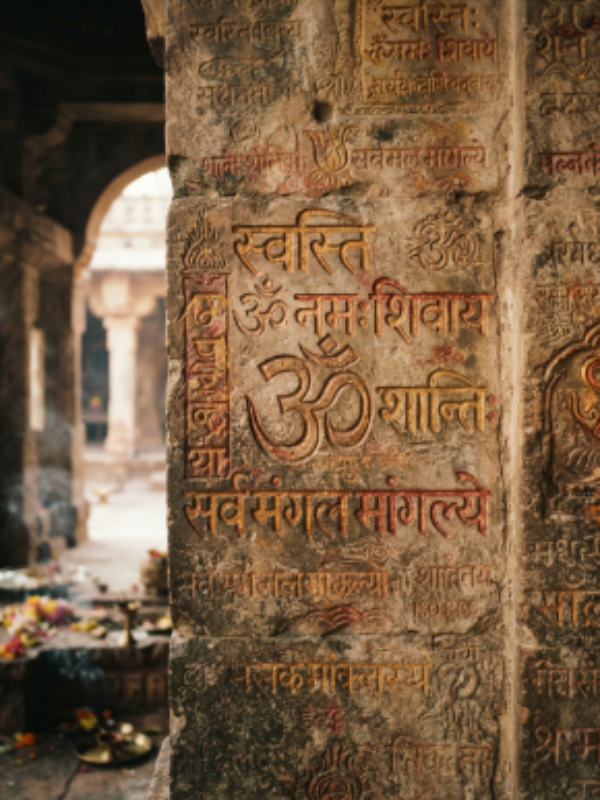
- Many people believe Sanskrit symbols carry spiritual significance even within dreams and subconscious thoughts.
- Seeing a Sanskrit symbol in a dream may represent guidance during a difficult period.
- Some believe dreaming of Om suggests a need for peace or spiritual alignment.
- Others interpret lotus symbols in dreams as signs of personal growth or renewal.
- Dream interpretation often connects to the symbol’s traditional spiritual meaning and purpose.
- Many spiritual practitioners believe dreams reveal messages from the subconscious or higher self.
- Seeing protective symbols in dreams may suggest a need for emotional or spiritual safety.
- Some believe these dreams encourage deeper meditation or spiritual reflection during waking life.
- Dream meanings can vary depending on personal belief systems and cultural background.
- Many people journal their dreams to better understand recurring spiritual symbols and themes.
- This practice helps connect dream messages to real-life spiritual growth and awareness.
- Some spiritual teachers suggest meditating on a dream symbol for further clarity.
- Understanding these meanings can provide comfort during uncertain or emotional life periods.
- Sanskrit symbols in dreams continue to intrigue those interested in spirituality and self-discovery.
Positive vs Negative Meaning
- Most Sanskrit symbols carry positive meanings related to peace, protection, love, and spiritual growth.
- However, some symbols can carry negative or misunderstood interpretations if used incorrectly.
- Context and proper translation are essential to avoid unintended negative meaning or symbolism.
- Some symbols represent destruction, but this often refers to spiritual transformation rather than harm.
- Others may symbolize struggle, representing challenges necessary for personal growth and development.
- Misusing a symbol without understanding its meaning can lead to cultural or spiritual disrespect.
- This is why research and proper guidance are important before using any Sanskrit symbol.
- Positive symbols are far more common and widely used in modern spiritual practice.
- Negative interpretations usually arise from incorrect translation or lack of cultural context.
- Many spiritual teachers recommend consulting experts before using unfamiliar symbols publicly or permanently.
- Understanding both positive and negative meanings helps ensure respectful and accurate symbol usage.
- This balanced understanding allows people to use symbols meaningfully and appropriately in life.
- Overall, most Sanskrit symbols aim to inspire hope, healing, and positive personal transformation.
Why Humans Are Attracted to This Symbol
- Humans are naturally drawn to symbols that represent deeper meaning, hope, and personal identity.
- Sanskrit symbols offer a visual connection to spirituality, history, and ancient wisdom traditions.
- Many people seek symbols during difficult times to find comfort, strength, or guidance.
- These symbols provide a simple way to express complex emotions and beliefs visually.
- Humans are also attracted to the artistic beauty and elegant design of these symbols.
- Their curved lines and balanced shapes appeal to natural human aesthetic preferences.
- Many people use symbols to mark important life milestones or personal transformations.
- This creates a lasting, meaningful connection between the individual and their chosen symbol.
- Symbols also provide a sense of identity, belonging, and connection to something greater.
- Many spiritual seekers use symbols to strengthen their sense of purpose and direction.
- The mystery and depth of ancient symbols continue to intrigue curious and spiritual minds.
- This attraction often grows stronger through practices like yoga, meditation, and mindfulness.
- Sanskrit symbols continue to attract people seeking meaning, peace, and personal transformation worldwide.
Frequently Asked Questions
What is the most powerful Sanskrit symbol?
Om is widely considered the most powerful Sanskrit symbol, representing the sound of the universe.
Can anyone get a Sanskrit tattoo?
Yes, anyone can get a Sanskrit tattoo, but understanding its true meaning shows respect for its origin.
Are Sanskrit symbols only used in Hinduism?
No, many Sanskrit symbols are also used in Buddhism, Jainism, and other spiritual traditions.
How do I make sure a Sanskrit tattoo is accurate?
Consult a Sanskrit expert or native speaker before getting a tattoo to avoid translation mistakes.
Do Sanskrit symbols bring good luck?
Many people believe certain Sanskrit symbols attract positive energy, protection, and good fortune.
Can Sanskrit symbols have negative meanings?
Some symbols can be misunderstood if used without proper context, so accurate translation matters.
Why are Sanskrit symbols popular in yoga?
Yoga practices often use Sanskrit symbols to represent balance, breath, energy, and spiritual focus.
Is it disrespectful to wear Sanskrit symbols without understanding them?
It can be seen as disrespectful, so learning the meaning first shows cultural appreciation and respect.
Conclusion
Sanskrit symbols carry wisdom from thousands of years ago. Each symbol holds a story and a purpose. They connect us to peace, strength, and love. People use them in yoga, art, and daily life. These symbols remind us to slow down and reflect. They bring ancient spirituality into our modern world.
Learning about these symbols can change how we see life. Each one offers a small lesson in balance or hope. Whether worn as a tattoo or used in meditation, they inspire growth. They help us feel connected to something larger than ourselves. Exploring these 90+ symbols is just the beginning of discovery. Let their meaning guide you toward a more mindful life.
